2026-07-07
Satellite communication systems rely on a stable and uninterrupted power supply. Whether the station is installed in a remote mountain area, on an island, in a desert, or at a temporary emergency site, the power system must keep communication equipment running 24/7. A typical satellite communication power system combines grid power, batteries, solar energy, generators, and intelligent power management to maximize reliability while minimizing operating costs.
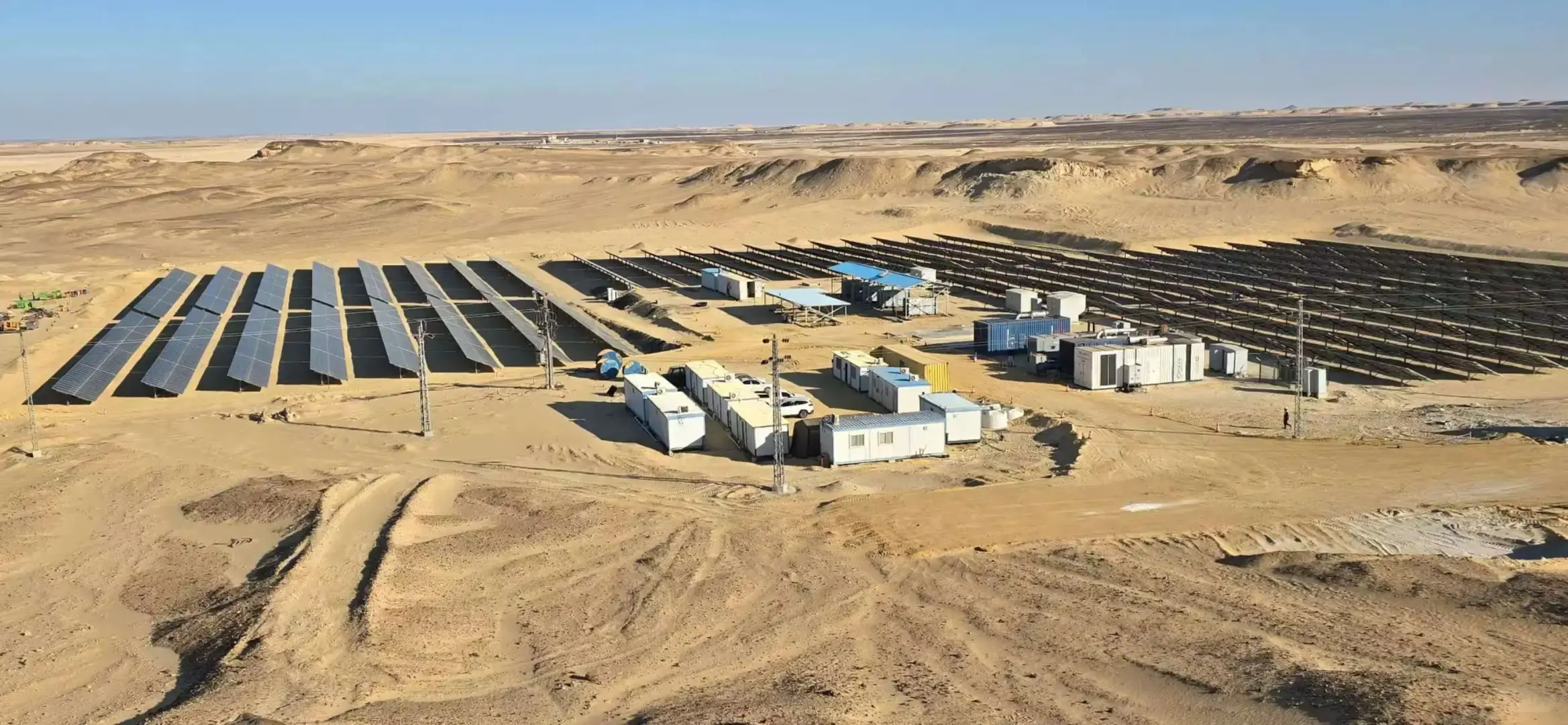
Different from conventional communication stations, the satellite communication stations are installed in places where there is no reliable connection to the utility grid. This means that any power outage will result in communication failure in such critical areas like emergency services, military, shipping, broadcasting, and rural regions.
That is why the power system becomes as significant as the satellite station itself.
The modern power system for the satellite communication is meant to:
According to the International Energy Agency (IEA), the hybrid renewable power systems have become more popular in remote communication infrastructure due to less need in fuel supply and better sustainability. The same conclusion has been made by the Global System for Mobile Communications Association (GSMA) in regard to remote telecom sites.
A typical satellite communication base station consists of different subsystems.
This rectifier unit converts AC to DC voltage, 48V DC being the standard for telecom devices.
Some of its features include:
In case there is no primary source of power supply, the battery takes the role of providing power.
Currently, the LiFePO₄ batteries have become a top choice as they are characterized by:
According to the site requirements, the autonomy period of the batteries varies from a few hours to several days.
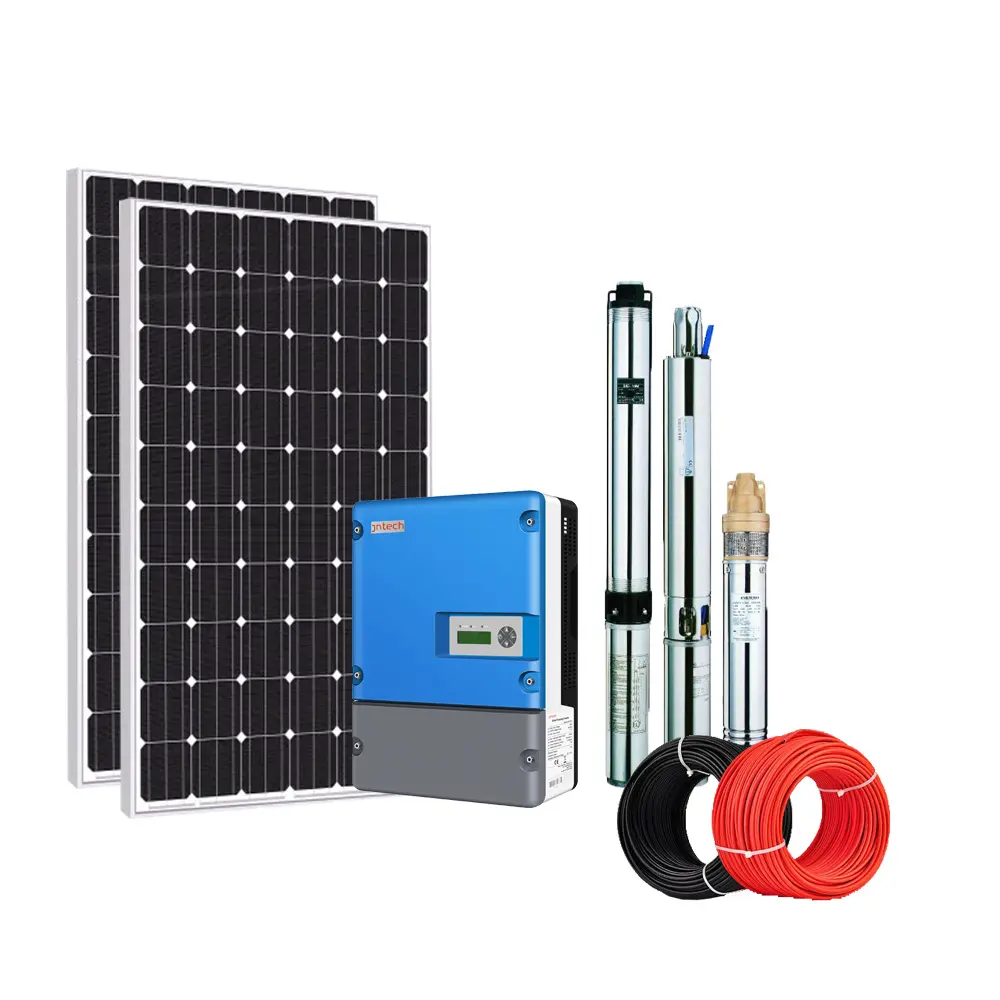
In today's world, many satellite communication stations employ solar power in their systems, particularly in distant areas.
Advantages are:
Several satellite communication stations function on a hybrid basis where solar power serves the day time needs and battery power works for the night time.
At places where there is cloudiness for long periods or the power requirement is higher, diesel generator acts as a back-up power source.
The generator operates in such a way that it turns itself on whenever battery reaches a predetermined capacity.
This technique ensures minimum usage of fuel.
5. Energy Management System (EMS)
The energy management system acts as the brain of the power system.
It constantly monitors:
Various installation environments demand different power configurations.
Good for urban and suburban regions with a steady power supply from utilities.
System Components:
Pros:
Ideal for remote villages and rural communication sites.
System Components:
Pros:
Used for:
Sources of power include:
Such systems are meant to run independent of any external power source for years with least maintenance.
Despite being a well-developed technology, there are still many engineering challenges.
External cabinets should be able to resist:
This demands tough cabinet design, efficient cooling system, and anti-corrosive materials.
Communication points usually need to have backup periods of 24, 72 or more hours.
It is important to ensure proper battery sizing and smart power scheduling in order not to overestimate the needs.
Many satellite communication stations are situated far away from repair teams.
In this case, modern energy systems must have remote monitoring capabilities which include:
This helps to reduce maintenance costs greatly.
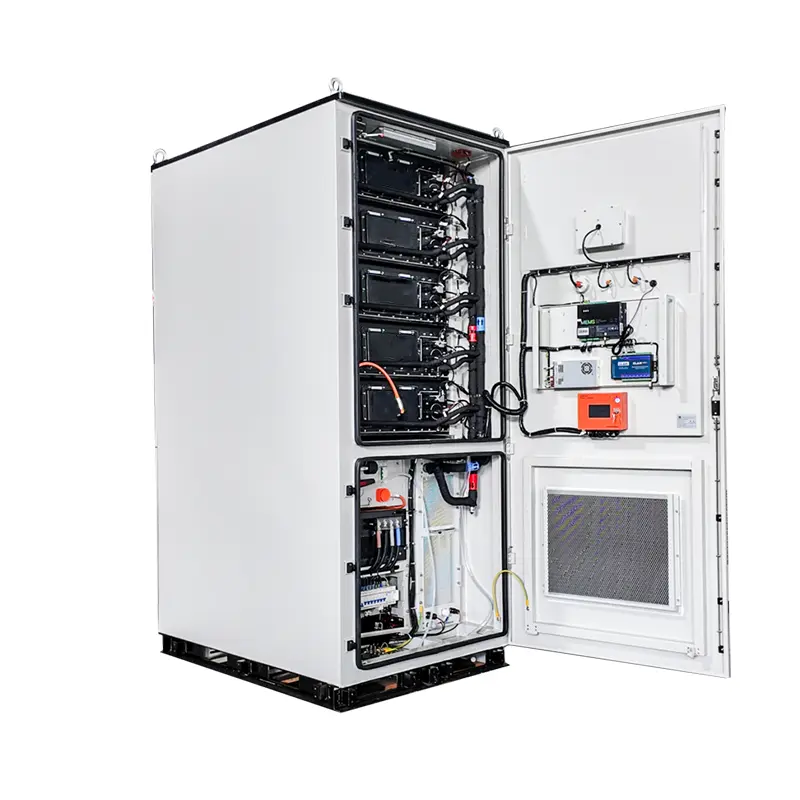
LZY Energy manufactures and distributes high-performance energy cabinets tailored to the needs of satellite communication base stations and other telecommunication applications.
The cabinet incorporates several power systems in a single housing unit, such as:
The outdoor cabinet is equipped with rugged construction and advanced features necessary for operation in challenging environmental conditions. These include IP rating, efficient thermal design, and modularity for accommodating various project demands.
Based on my experience in deploying energy solutions for remote telecommunications sites, incorporating all major power units into a single cabinet greatly reduces the amount of time needed for installation and maintenance operations.
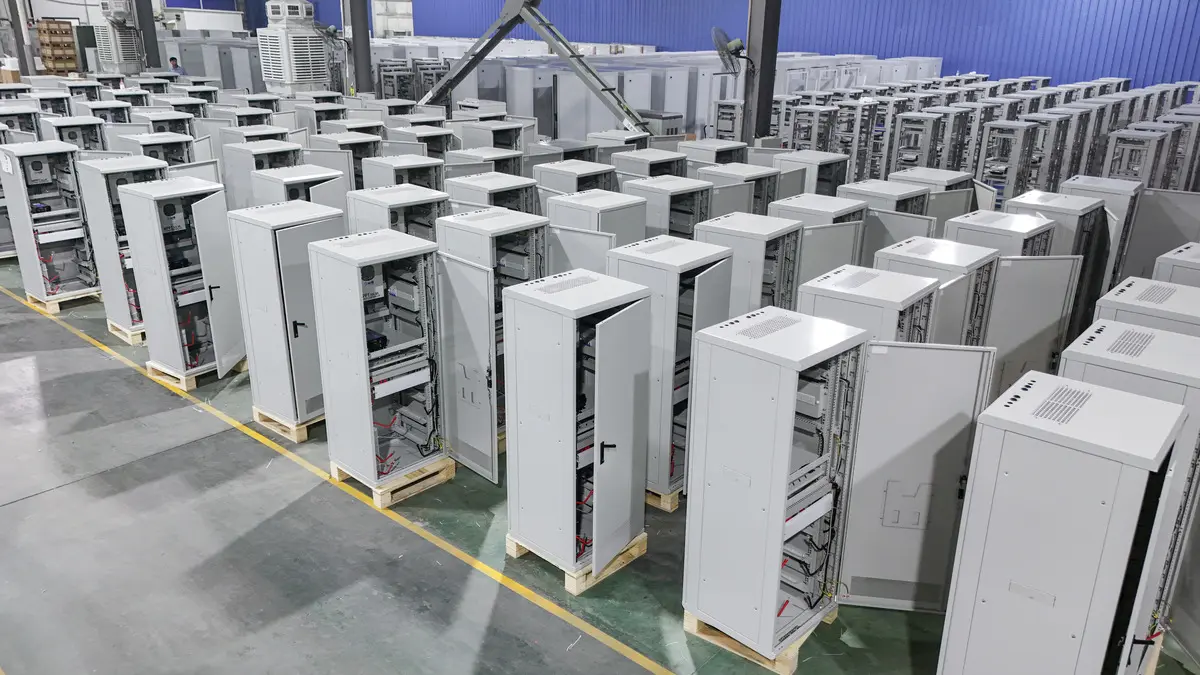
In one of our latest projects we delivered 400 satellite communication base station energy cabinets for a communication infrastructure project all across the nation.
Cabinets are produced, assembled, and tested at our plant prior to being shipped out.
Each cabinet goes through the same process of standard production and quality testing before being delivered to the customer.
This project proves our capability of delivering large amounts of product with guaranteed quality and on-time delivery. No matter whether our clients need several dozen or several hundred of energy cabinets, our manufacturing capacity and engineers can provide individual solutions.
In selecting the proper power source for a satellite communication station, keep in mind the following aspects:
A proper choice can help in lowering the operational costs while increasing the availability of the system.
A robust power supply system forms the basis of every satellite communication system. The integration of high-efficiency rectifiers, LiFePO₄ battery storage systems, solar power sources, standby power generators, and efficient energy management systems has made it possible for modern satellite communication centers to provide uninterrupted services regardless of the conditions.
With the increasing number of remote locations where connectivity is expanding globally, it becomes increasingly necessary to adopt hybrid energy satellite communication cabinets due to their ease of implementation, cost-effectiveness, and high efficiency levels. For organizations wishing to build a new satellite communication network, installing an efficient power system is one of the best investments they can make.