2026-04-28
Solar BTS refers to telecommunication base stations that run on solar energy rather than conventional energy sources, including electricity from the grid and diesel. It comprises components like solar panels, batteries (primarily LiFePO4 type), and power management system. They ensure uninterrupted services at mobile telecommunication sites, especially where there are no conventional energy sources available.
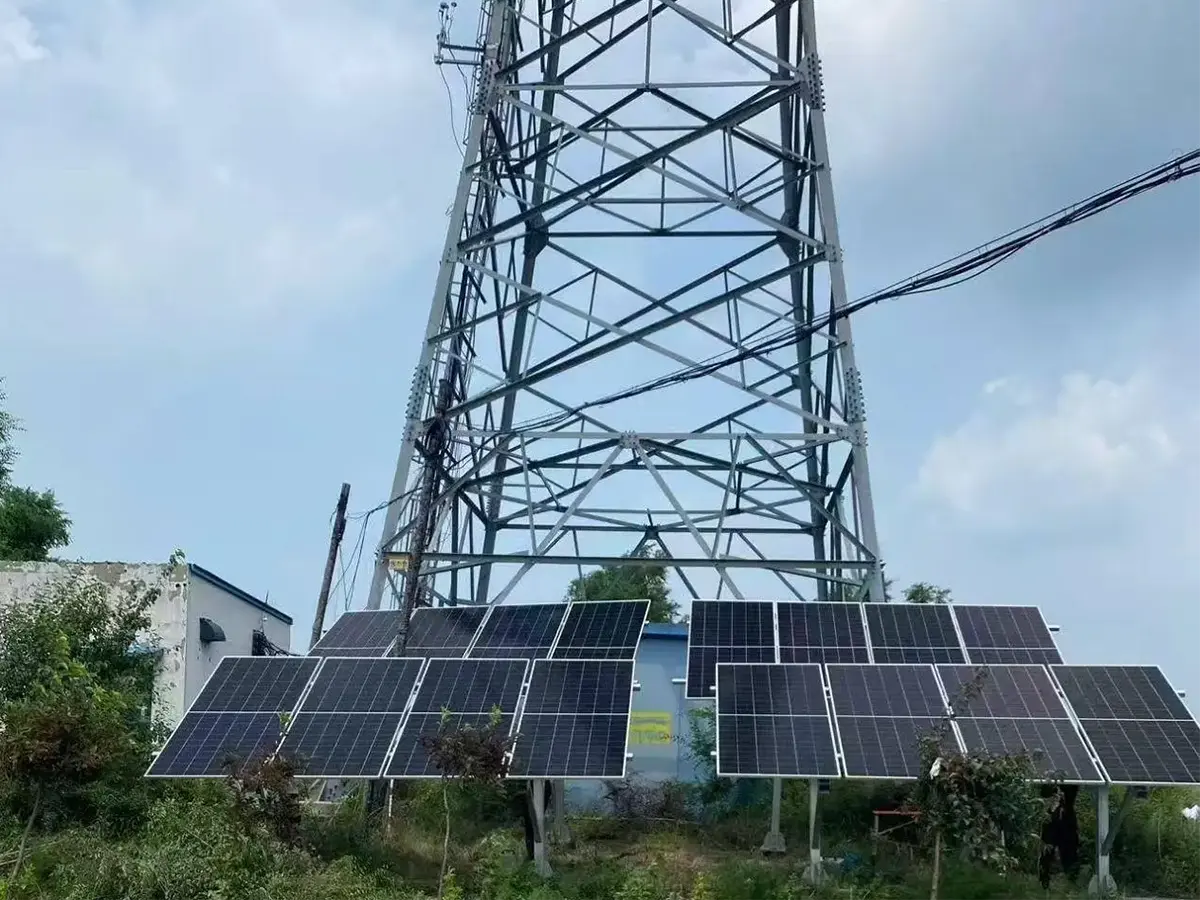
The demand for telecommunication infrastructure is increasing every day. The use of diesel generators, which were traditionally used to generate energy in remote towers, has several drawbacks, such as high cost, logistics challenges, and adverse environmental impacts.
Solar systems eliminate those disadvantages as follows:
Based on my experience with energy storage systems, solar-powered telecommunication systems will become common in future.
Solar BTS system combines various features that make sure there is steady and consistent power supply:
Although the initial investment is higher, operational costs drop dramatically.
Solar BTS systems are designed with redundancy:
This is critical because even a short downtime can disrupt communication networks.
Replacing diesel generators with solar can cut CO₂ emissions significantly.
For example:
Power SourceAnnual CO₂ Emissions (per site)Diesel BTS~20–30 tonsSolar BTS~2–5 tons
That’s up to an 80–90% reduction.
Even though there is a high initial investment cost, operating expenses become minimal.
Solar BTS is built for redundancy purposes:
It is important since a small interruption could affect the communication system.
Solar energy helps reduce CO₂ emission when compared to diesel engines.
Example:
| Power Source | Annual CO₂ Emissions (per site) |
|---|---|
| Diesel BTS | ~20–30 tons |
| Solar BTS | ~2–5 tons |
It is about 80–90 percent lower than the former.
Following is an example for medium-sized telecommunications towers.
| Component | Specification |
|---|---|
| Solar Panel Capacity | 5 kW – 10 kW |
| Battery Capacity | 10 kWh – 30 kWh |
| Load Requirement | 1 kW – 3 kW |
| Autonomy | 2–3 days (no sunlight) |
| Battery Type | LiFePO4 |
The above data can change according to environmental conditions and load requirements.
Consider a rural telecommunications facility in Africa or Southeast Asia:
Once converted to Solar BTS technology:
The return on investment for a project I investigated was about 3-4 years, with subsequent earnings representing cost savings.
Despite all its benefits, Solar BTS also faces some problems in implementation:
High initial cost may be incurred for setting up solar panels and batteries. But the cost can be recovered in the long term.
The panels require enough space to install, which may be an issue at certain sites.
The energy output from the panels is dependent on the amount of sunlight received.
Here is a brief comparison:
| Feature | Solar BTS | Diesel BTS |
|---|---|---|
| Operating Cost | Low | High |
| Maintenance | Minimal | Frequent |
| Emissions | Very low | High |
| Reliability | High (with battery) | Moderate |
| Fuel Dependency | None | Required |
Clearly, solar-based systems provide a more sustainable and cost-effective solution.
The development of Solar BTS technology is intimately linked to improvements in energy storage capacity and intelligent control systems.
Some important future directions may include:
For me, the most transformative future direction is the inclusion of intelligent energy management capabilities. This would enable remote monitoring of system performance and minimize any potential downtime.
It makes sense to use solar BTS when you have:
Even in big cities, solar hybrid systems can be installed to reduce expenses.
Solar BTS is revolutionizing the way telecom power infrastructure works. It provides a realistic compromise among reliability, economy, and sustainability. Although the initial capital outlay may be high, its benefits cannot be ignored.
From a technological standpoint as well as from a financial standpoint, implementing solar energy into telecom systems is not merely a choice but an absolute necessity for today’s networks.