2026-04-21
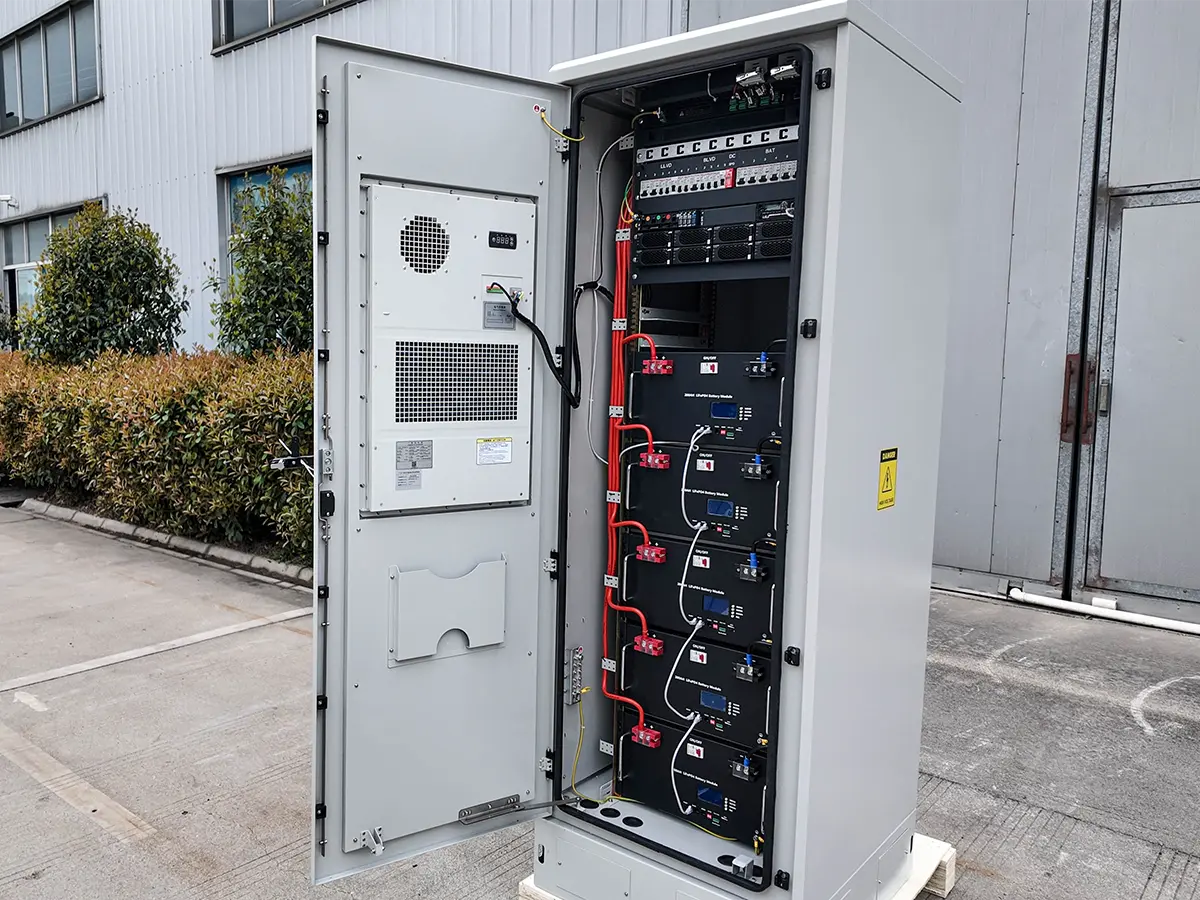
Telecom Tower Battery is a vital element for providing power supply to telecommunications facilities during outages. Lithium-ion (particularly LiFePO4) and VRLA batteries are used as a rule; lithium-based power sources have already become the prevalent option owing to their higher lifespan, efficiency, and maintenance-free nature.
Stable electricity supply is one of the main criteria that telecom towers should meet. It doesn't matter whether it works in the center of a big city or operates off the grid. Having been engaged in energy storage devices, I can observe the growing importance of reliable and sophisticated battery installations.
Telecom tower battery provides electricity supply for BTSs in case of blackouts. As soon as regular power is cut off, telecom battery takes the load of providing energy supply to communications equipment immediately.
The typical setup includes the following elements:
Usually, the voltage levels 48V and 51.2V are preferred because of their compliance with telecom equipment parameters.
A battery bank in telecom tower implies several battery cells connected in series or parallel to produce necessary electrical power characteristics.
The important parameters are:
Example Configuration Table
| Tower Load (kW) | Backup Time (Hours) | Battery Type | Required Capacity (kWh) |
|---|---|---|---|
| 2 kW | 4 | LiFePO4 | 8 kWh |
| 3 kW | 6 | LiFePO4 | 18 kWh |
| 5 kW | 3 | VRLA | 15 kWh |
From field observations, lithium battery banks often reduce total system size by 30–40% compared to traditional VRLA setups.
In today's digital age, a telecom tower battery monitoring system is no longer an option—this is now a requirement.
What is being Monitored?
Advantages:
IoT-based monitoring platforms have been implemented by most operators nowadays. According to one project I assessed, incorporation of a monitoring system cut the number of outages caused by batteries by 60% during the first year.
There is a large variety of prices for telecom tower batteries that depend on technology type, capacity and battery brand.
Factors Impacting the Cost
Cost Range 2026 Estimation
| Battery Type | Price per kWh (USD) | Lifespan (Cycles) |
|---|---|---|
| VRLA | $120–$180 | 500–800 |
| LiFePO4 | $250–$400 | 4000–6000 |
Though lithium batteries have higher costs, their overall ownership expense turns out to be up to 30–50% lower in 5-10 years. For this reason, lithium batteries are chosen by most telecom operators.
When picking a telecom tower battery manufacturer, several aspects should be considered to ensure system reliability.
Key Features to Consider:
For instance, LZY Energy specializes in designing and manufacturing LiFePO4-based energy systems optimized for use in telecommunication towers. Typically, such battery packs consist of:
Working with manufacturers specializing in energy storage, and who have experience in telecommunications can help avoid unnecessary troubles during integration.
Comparison Table - Lithium vs Lead-Acid Batteries
| Feature | Lithium (LiFePO4) | Lead-Acid (VRLA) |
|---|---|---|
| Lifespan | Long (4000–6000 cycles) | Short (500–800 cycles) |
| Weight | Lightweight | Heavy and bulky |
| Charging Speed | Fast charging | Slower charging |
| Efficiency | High (90–95%) | Lower (70–85%) |
| Initial Cost | Higher | Lower |
| Maintenance | Minimal | Requires regular maintenance |
| Depth of Discharge | Up to 80–90% | Typically 50% |
| Space Requirement | Compact design | Requires more space |
In solar-powered remote telecom towers, lithium-ion batteries perform better than lead-acid counterparts because of higher efficiency and fewer service calls.
One rural telecom company upgraded 50 towers from lead-acid batteries to lithium batteries:
This case study shows how upgrading battery solutions can increase overall efficiency and reduce operation costs in the telecom industry.
Telecom tower batteries continue developing beyond backup sources of energy to intelligent energy systems with BMS. With increasing energy demand, the growing spread of 5G network coverage, and other factors, battery requirements will only rise in the future.
From industry trends, we can draw one conclusion – it is worth to invest in more advanced battery systems now to save money and boost performance in the long term.