2026-04-14
Cell towers have backup power systems that keep them running when there is a blackout – and indeed, most cell towers can continue running for a few hours or days. In general, batteries supply immediate power for up to 4–8 hours, whereas diesel generators keep the system operational for between 24–72 hours.
However, times have changed, and today’s cell towers need more than a battery and generator to keep the network operational.
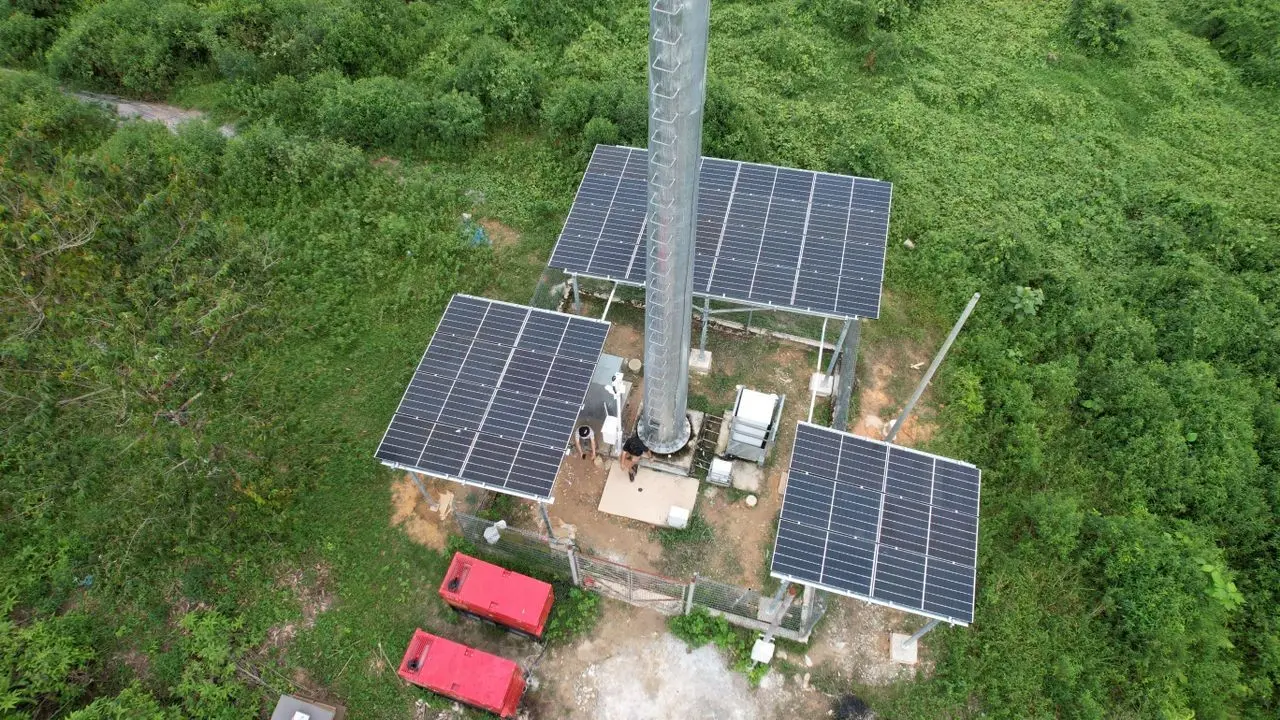
The telecommunications industry expects networks to be operational all the time. Unfortunately, power fluctuations, natural disasters, and old infrastructure can cause a loss of power.
Without electricity, cell towers cannot function. Consequently, communication breakdowns occur, which affects the mobile data services of people living nearby.
Telecommunication towers still utilize traditional energy sources:
Batteries offer instant power in case of an emergency.
But pure battery-based systems cannot provide energy during extended outages.
Generators can provide energy after batteries have exhausted their capacity.
Not all telecommunication towers have generator systems, particularly in rural areas.
Hydrogen fuel cells are being experimented with as eco-friendly options.
From the standpoint of the system, there exist the following drawbacks of the conventional solutions:
| Limitation | Practical Impact |
|---|---|
| Short battery duration | Service interruption after a few hours |
| Fuel dependency | Risk of downtime if refueling is delayed |
| High OPEX | Ongoing diesel and maintenance costs |
| Lack of flexibility | Difficult to scale or adapt |
However, in practice, the outages tend to occur for longer periods of time than initially anticipated.
As the above issues are becoming critical for telecoms, more and more companies ( like LZY Energy ) begin to use hybrid power systems incorporating different types of energy production methods.
For example, the system includes:
Unlike conventional systems, hybrid systems cater to both standby power generation as well as primary power generation.
Main benefits:
In many instances, such systems can sustain continuous running for several days—sometimes indefinitely if not grid-tied.
Energy storage is considered the nerve center of hybrid systems.
Advantages of current energy storage technologies include:
In our integrated products at LZY Energy, the energy storage system is specially designed to optimize the combination of different energy sources.
Think of an off-grid telecom tower with sporadic electricity availability:
Conventional Configuration:
Enhanced Hybrid System (Wind/Solar/Battery/Diesel):
Outcomes:
This technology finds its relevance more in the countryside or islands.
Consider implementing a hybrid solution when:
Even partial hybridization (installing solar panels and improving your storage capacity) will greatly enhance your system.
Backup cell tower power is changing and growing beyond batteries and generators. Although conventional backups are still valid, they can no longer fully meet telecom industry requirements.
Energy systems combining multiple sources (wind, solar, diesel, and battery storage), which have been designed to work together, provide a better option. Now, thanks to companies like LZY Energy offering a full hybrid power backup system, you can take backup power a step further.
In today’s connected world, reliable backup power is not just preferable—it's essential.