2026-04-07
The modern-day society depends on data centers. Social media, cloud services, and more run on them. Unfortunately, they account for significant greenhouse gas emissions and energy consumption.
Powering such centers in an innovative way is key to sustainability. The integration of renewable energy is the answer. Wind and solar power are the most promising.
Additionally, energy efficiency must be improved. Advanced power management solutions can provide that. They are pivotal for improving both performance and reliability.
Sustainability requires innovation, which makes for the future of power solutions for data centers. As technology advances, innovations will make green power solutions more accessible.
One percent of the earth's energy consumption occurs in data centers. This demonstrates the need for effective power solutions. The growing demand for data centers increases their energy consumption.
Effective energy solutions have multiple advantages. For example, they save money and decrease carbon footprint. Besides, they improve reliability and performance.
The main drivers for demanding efficient energy solutions are:
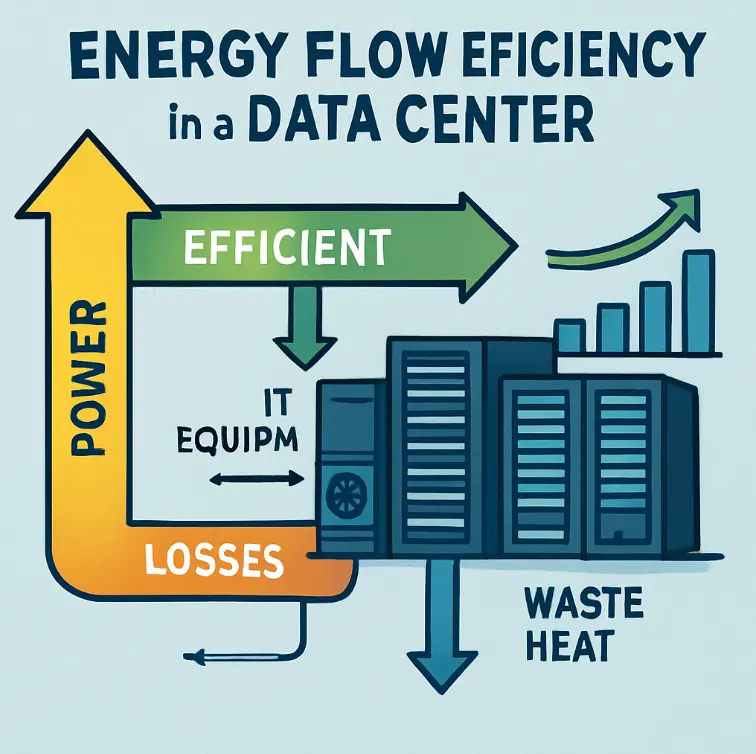
Organizations are now prioritizing efficient power solutions. Energy efficiency has become a critical factor in data center operations. This shift is essential for meeting both economic and environmental goals.
Sustainability is no longer an option but a necessity. Companies are investing in technologies that ensure long-term efficiency and sustainability. These initiatives highlight the growing importance of energy solutions in the tech industry.
The use of renewable energy has changed data centers. Solar and wind energy are the driving forces behind this green movement. These energies assist in decreasing carbon footprints and dependence on non-renewable energy sources.
Renewable energy is a viable source of energy. It helps in promoting sustainability within the data center sector. The use of such energy sources could minimize operational expenses and environmental impact.
Some advantages of using renewable energy in data centers include:
The switch to renewable energy comes with its own set of challenges. In some cases, data centers experience issues regarding local infrastructure. Nevertheless, collaboration with utility providers can overcome these barriers.
Implementing renewable energy involves careful planning. Collaborations and investments play a crucial role in ensuring a consistent energy source. Companies are increasingly making these commitments. This approach allows them to position themselves as industry leaders in sustainability.
Data centers consume considerable amounts of energy. The deployment of advanced power management systems can help increase energy efficiency. This system helps to optimize energy consumption while improving reliability.
Power Usage Effectiveness (PUE) is an important indicator. It evaluates the energy efficiency of the data center. Low values for PUE mean higher energy efficiency. Optimizing PUE is among the primary concerns of data center operators.
Some of the most common methods of increasing energy efficiency are:
The use of AI and machine learning could also be considered advanced power management. This technology helps to predict future needs and make changes to the system instantly. Such innovative methods could result in significant energy savings.
Energy auditing is an integral part of energy management. It helps identify areas for improvement and reduces energy wastage.
Data center reliability depends on proper backup power systems. Any interruption can result in costly downtime and losses. Therefore, there is a need for effective measures.
Such solutions include batteries, fuel cells, and microgrids. While batteries provide immediate restoration of power supply, fuel cells represent a clean solution by creating electricity via combustion-free processes. Microgrids allow incorporating different sources of energy.
Some benefits of modern backup solutions are as follows:
Microgrids can be disconnected from the main power grid. In addition, such technology makes organizations more resilient to power failures and cuts electricity bills. Indeed, microgrids are gaining popularity among data centers due to their sustainability.
Thanks to advancements in technologies, backup power systems are becoming even better. Renewable energy integration improves their efficiency. Adoption of such innovative solutions will ensure a secure future for data centers.
Effective cooling systems are essential for ensuring optimal operation of data centers. The cooling solutions available today may involve significant amounts of energy and may be expensive. That is why innovations in cooling are being made to increase efficiency.
Examples of innovative approaches include liquid cooling, where components are cooled with liquid instead of using an air conditioner. Free cooling with air from the outside is another approach that helps to lower energy expenses. Geothermal cooling technology is becoming popular owing to its sustainable nature.
Benefits of innovative approaches to cooling systems include:
All the mentioned solutions will lead to a smaller amount of energy used. Advanced cooling systems will help to decrease energy consumption.
Artificial intelligence and smart technologies have played a significant part in improving power optimization in data centers. The AI technology is used to analyze power usage and forecast future power needs. This makes it possible for the exact amount of power to be allocated where needed.
With the advent of smart technologies like IoTs, there is improved monitoring of power use. This ensures that power allocation is made based on power needs.
Advantages associated with AI and smart technologies include:
Overall, machine learning technology enables efficient allocation and prevents equipment failure. This increases the sustainability of these facilities.
There are some challenges that have to be overcome when retrofitting current data centers to ensure higher energy efficiency. While retrofitting an active data center can be quite complicated, it provides tremendous opportunities both from economic and ecological perspectives.
Data centers need to comply with strict requirements to demonstrate high levels of efficiency. This requirement may actually encourage innovative solutions. To solve these challenges, it is important to pay attention to the following aspects:
It is crucial to give special attention to each of these factors to stay efficient and environmentally friendly.
Innovations are the main drivers of development in the sphere of data center power solutions. New technologies and alternative energy sources will become widely used in the near future. By implementing green solutions and establishing cooperation with other organizations, data centers can meet increasing demands of users in a sustainable manner.
In addition, energy efficiency and environmental sustainability will be among the primary objectives pursued by such facilities. Companies will try to achieve carbon neutrality and energy independence.