2026-04-08
Plug-in solar technology involves using a compact device that can produce energy for you without any need for a complete roof top system installation. Plug-in solar systems are plugged into an ordinary electric plug and do not require any difficult installations.'
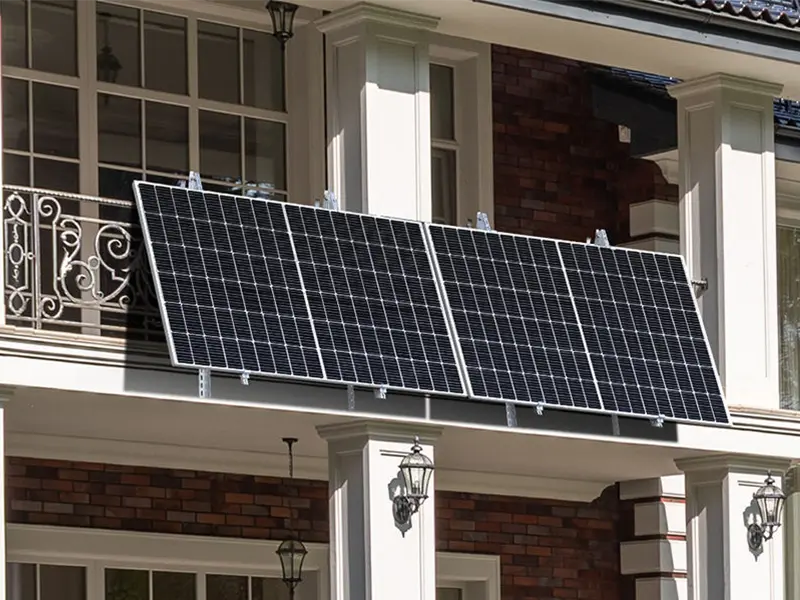
In general, plug-in solar systems (also referred to as plug and play setups) include such elements as:
Contrary to the more traditional rooftop solar, which requires permits, installations, and negotiations with energy companies to have your energy delivered to the grid, plug-in solar system allows getting sunlight converted into power that can be plugged into an outlet.
This may seem quite simple indeed – which it often is.
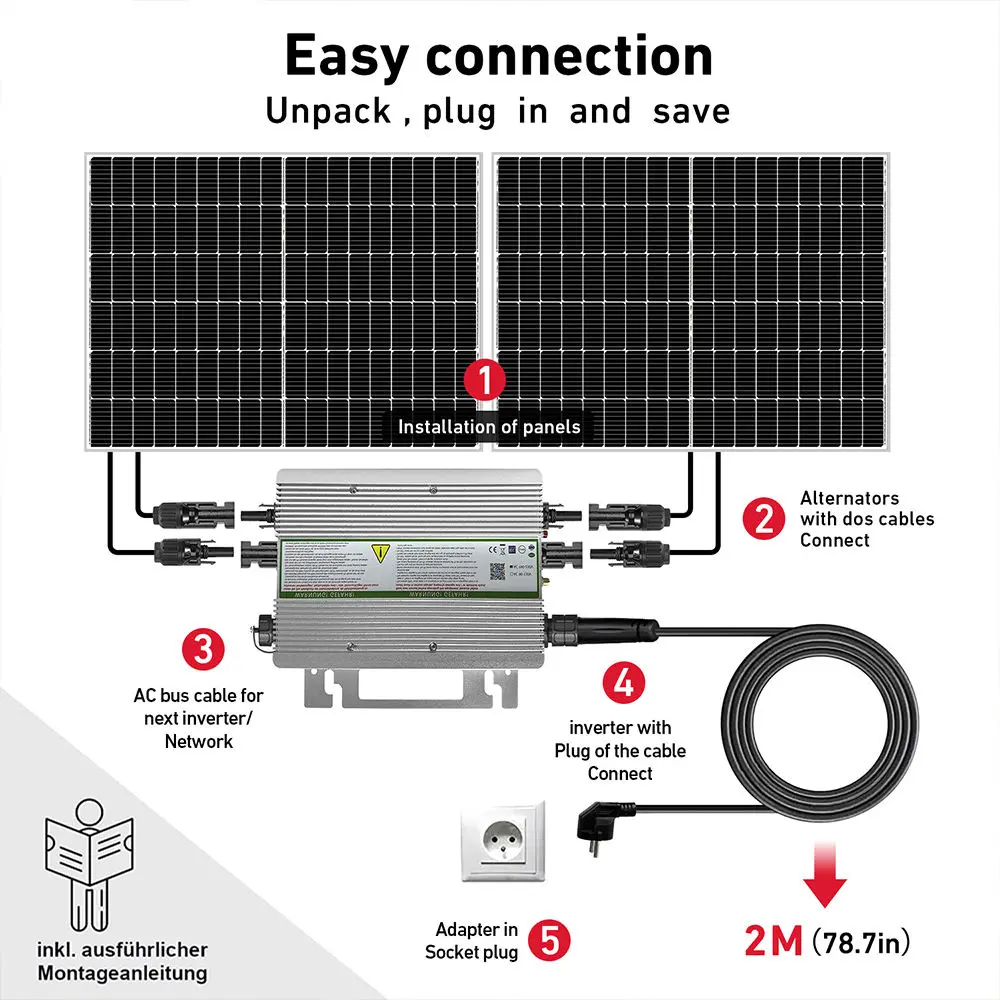
In short, the process looks like this:
Just note one critical difference: plug-in solar doesn't usually sell excess energy back to the grid, but simply reduces the amount you use in real time.
Plug-in solar falls in the range between:
Plug-in solar represents a solution between those two types of solar energy products.
These features make it particularly interesting for people living in locations where installing rooftop solar panels is too costly, not allowed, or impossible.
There is no need to contact an electrician since plug-and-play installations do not require any wiring work. Typically, setup takes less than an hour.
Compared to rooftop solar systems, plug-in systems cost less. The starting price is usually a couple hundred dollars.
Since the system doesn't have any fixed parts, renting apartments or other accommodations won't be a problem.
You can install plug-in solar systems:
The moment you plug the system in, it starts saving energy right away.
Despite the advantages of plug-in solar power, it does not replace conventional solar energy generation entirely.
The following table provides a rough estimate of plug-in solar output and potential cost savings.
| System Size | Daily Output (kWh) | Annual Output (kWh) | Estimated Savings (USD/year) |
|---|---|---|---|
| 300W | 1.2 – 1.5 | 400 – 550 | $60 – $90 |
| 600W | 2.5 – 3.0 | 900 – 1100 | $130 – $180 |
| 1000W | 4.0 – 5.0 | 1400 – 1800 | $200 – $300 |
| 2000W | 8.0 – 10.0 | 2800 – 3600 | $400 – $600 |
Assumptions: Normal sunlight and average cost of electricity ($0.15/kWh).
The figures may appear insignificant when compared to regular solar power costs. However, you can recoup the costs of installation more quickly.
A resident of California uses a plug-in solar panel system that generates 600 W on a balcony of their apartment.
From experience, this type of arrangement works well when there is constant energy consumption during the day, such as by appliances like fridges, wireless routers, and computers.
Comparison of two technologies:
Plug-In Solar
Conventional Solar
Many people prefer starting with a plug-in solar system as an initial attempt at generating electricity.
It is possible, but not for every device.
If you would like to install batteries in your system, then you will have to buy:
With this combination, you can achieve the following:
Please note that batteries will raise the overall price significantly.
Legality of plug-in solar systems is defined by local regulations.
United States:
Check:
Plug-in solar technology is not intended for completely cutting off electricity from the grid.
This is a technology that will help you reduce your reliance on traditional electricity sources, but it requires nothing else.
It suits best the following cases:
If you are interested in purchasing, please contact us using the form below to request a quote.