2026-03-31
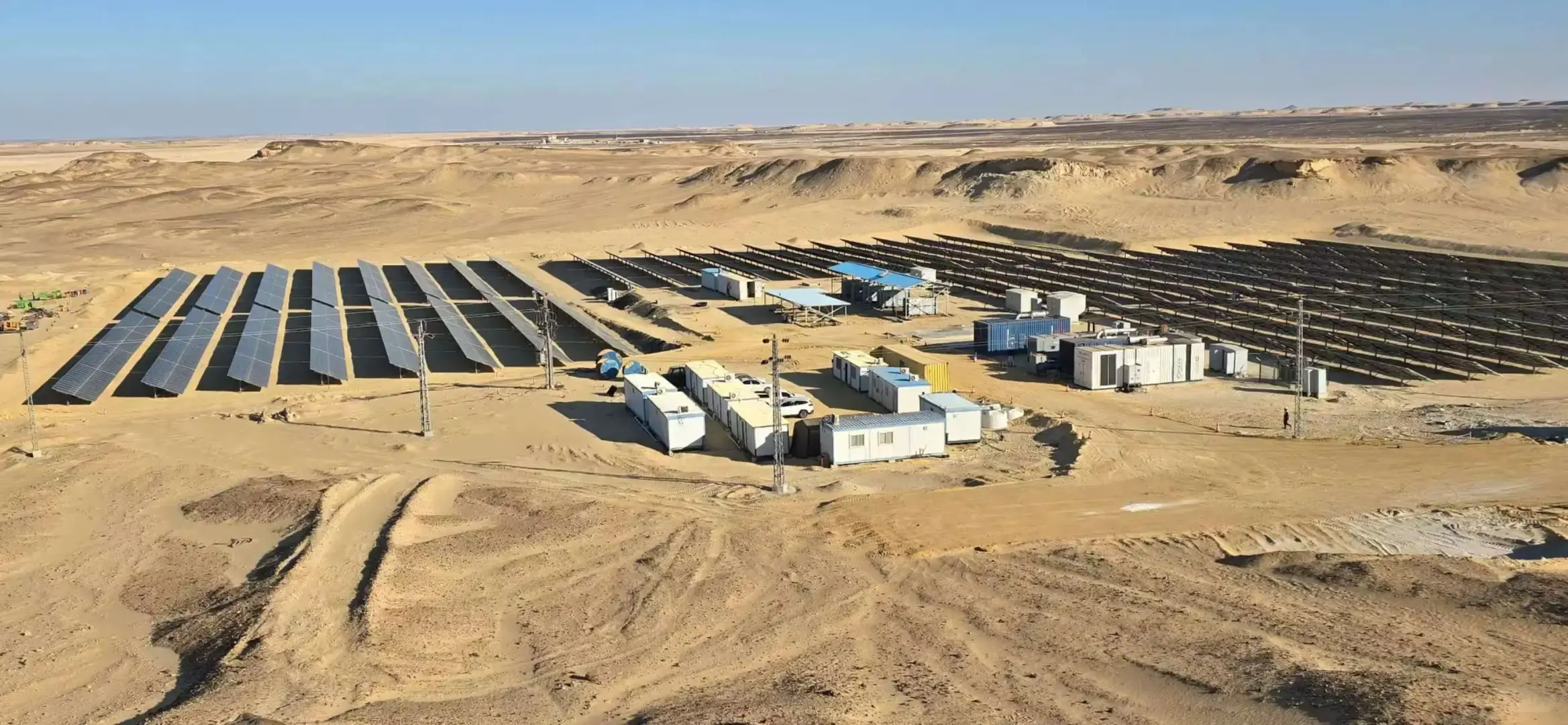
A reliable power solution for remote cell sites should include a solar power system, battery energy storage, and a backup generator, which can be controlled by an intelligent power management system.
Telecommunication towers in remote areas do not have access to reliable and consistent power. However, these sites require power to operate 24 hours a day, 7 days a week. Any disruption in power can impact telecommunication services, which can have a cascading impact on other services.
From my understanding and knowledge of working with power solutions, the biggest challenge in designing power solutions for remote areas or off-grid sites is not just to provide power but to provide consistent power.
The core components of a reliable power solution include:
The following is a simplified system configuration for a medium load telecom site:
| Component | Specification Example |
|---|---|
| Solar Panels | 5–10 kW |
| Battery Storage | 20–40 kWh (LiFePO4) |
| Diesel Generator | 5–8 kVA |
| Controller | Hybrid energy management unit |
| Daily Load | 3–5 kWh |
This system can achieve up to 70-90% in fuel savings, depending on solar availability.
Fuel costs in remote areas are high due to transportation costs. Hybrid systems reduce these costs by minimizing fuel usage.
Hybrid systems offer redundant power supplies. If one power source fails, another can take over.
Telecom operators are under constant pressure to reduce their carbon footprint. A solar + storage system directly contributes to a cleaner environment.
Lithium-ion batteries and hybrid controllers minimize maintenance requirements.
A telecom operator in Southeast Asia has 120 remote sites powered by a hybrid solar system.
Results after 12 months:
From a practical point of view, what has been surprising is not how much money has been saved but how stable operations have become. There are fewer generator failures, which means fewer emergency repairs.
In designing a remote cell site power solution, the following factors should be taken into consideration:
Assessing the Load
Environmental Factors
Logistics
Scalability
Well-designed and well-funded projects can still end up being failures if proper planning is not done. Based on my experience, here are a few mistakes to watch out for:
Some of the trends in this industry are:
In my opinion, moving to a completely diesel-free telecom site is not just a possibility, but a reality in areas with high solar potential.
A hybrid system for a remote cell site power solution is a great option in the following scenarios:
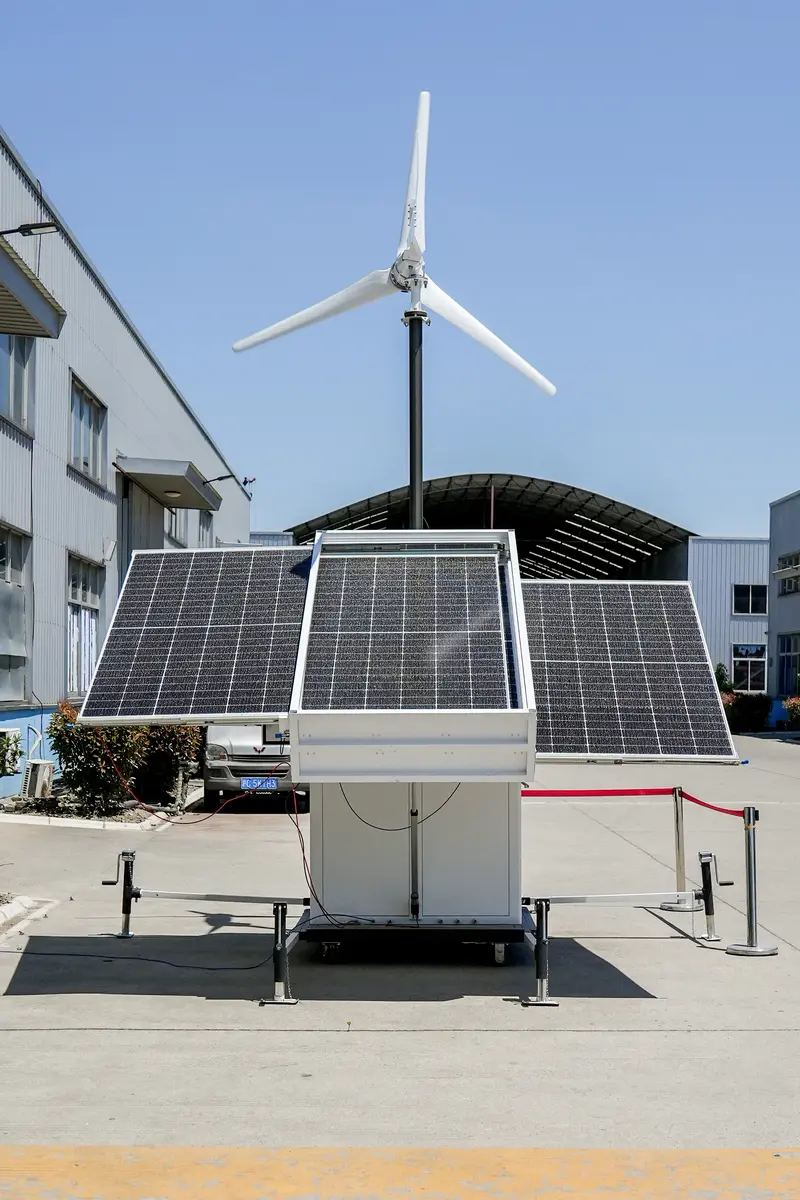
In areas with very little sunlight, a higher percentage of generators or other power sources, such as wind, may still be required.
The days of cell site power simply being a necessity are long gone. Today, cell site power is a necessity, a requirement for efficiency, sustainability, and resiliency. Hybrid power systems, specifically those utilizing a combination of solar and battery technologies, have been found to be the most viable solution in a wide variety of environments.
The key, however, is not which technology is used, but how they are integrated so they work in harmony with one another, ultimately providing a power solution that operates quietly, reliably, and economically for years to come.