2026-01-13
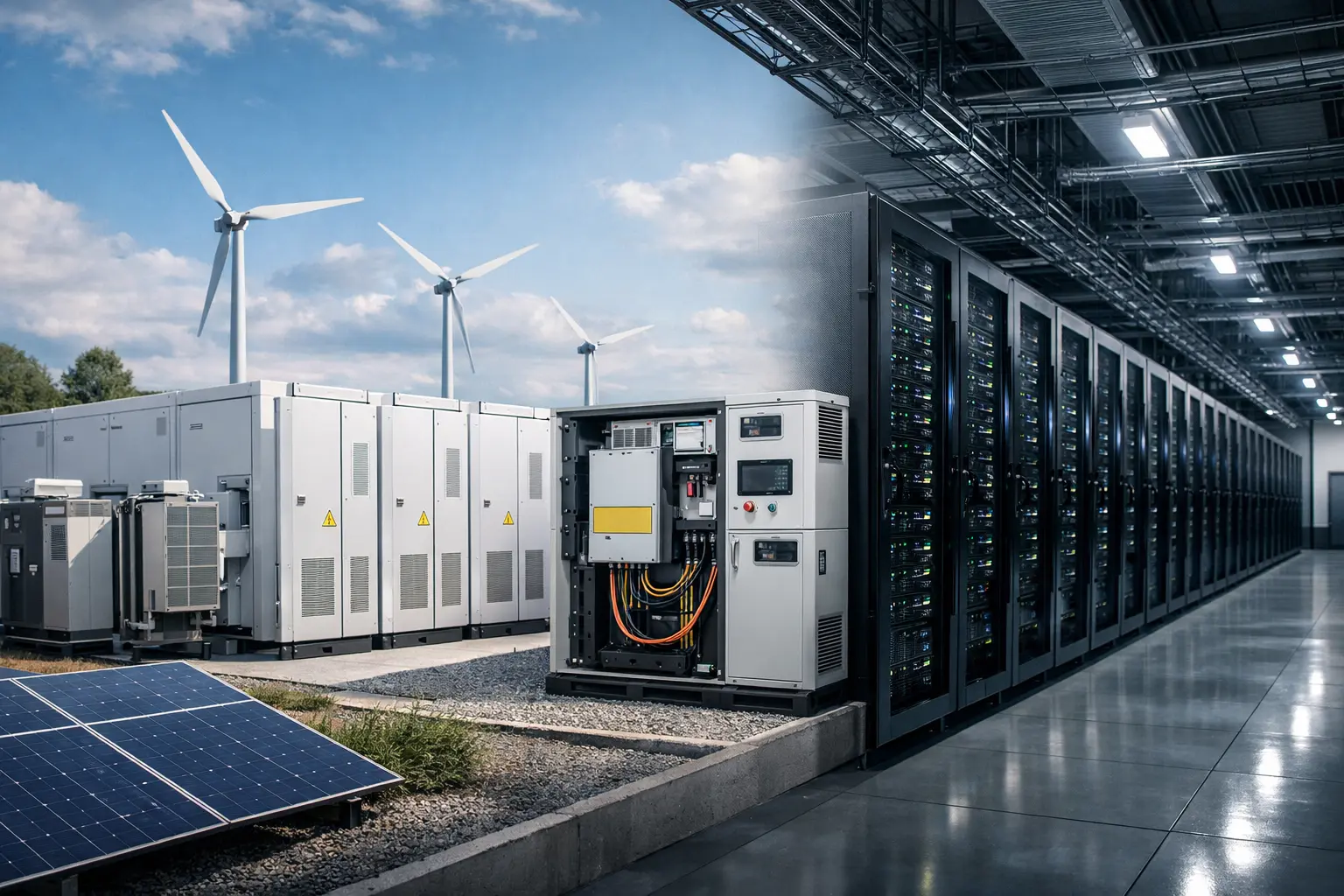
When assessing cost-effective Battery Energy Storage Systems (BESS) for HD5 data center solutions, organizations need to address important questions: What defines a cost-effective BESS? How do these systems help lower data center operating costs? What actual expenses should stakeholders anticipate? This article clarifies these points with straightforward explanations, supported by practical data and examples to aid decision-making.
A Battery Energy Storage System stores electrical energy in batteries for future use. For data centers, a cost-effective BESS provides:
For instance, the HD5™ platform is promoted as a scalable, efficient, and modular energy storage solution. It offers high energy density, secure operation, and easy deployment, helping data centers improve both cost efficiency and reliability.
Data centers operate continuously and consume vast amounts of electricity. With growing demands from AI workloads, cloud services, and edge computing, managing electricity costs and ensuring grid reliability have become critical.
Key advantages of incorporating BESS into data center operations include:
In summary, the appropriate BESS can decrease both operating costs and risk exposure.
Knowing the actual costs is essential for evaluating cost-effectiveness:
Typical Installed BESS Costs by Application Scale:
| Application Scale | Estimated Installed Cost (per kWh) |
|---|---|
| Small commercial (50–500 kWh) | $400–$800/kWh |
| Large commercial (500 kWh–2 MWh) | $250–$500/kWh |
| Utility-scale (1 MW+) | $200–$400/kWh |
For example, installing a 1 MWh system generally costs between $400,000 and $600,000.
What factors influence these costs?
While these costs vary by region and over time, the overall trend shows a decrease in cost per kWh as technology advances and manufacturing scales up.
To evaluate whether investing in a Battery Energy Storage System (BESS) is worthwhile, facilities typically examine three key financial indicators:
Payback Period
This metric indicates the time required for the annual savings to recoup the initial investment. For well-designed commercial BESS installations, payback periods generally range between 4 and 10 years.
Sources of Savings
Common contributors to value include:
For instance, a 300 kWh system can generate tens of thousands of dollars in yearly savings through demand charge reductions and grid service revenues.
Incentives
In many areas, financial incentives such as tax credits, rebates, and accelerated depreciation significantly improve cost-effectiveness. For example, the U.S. Investment Tax Credit (ITC) can cover up to 30% of eligible BESS expenses.
Consider a medium-sized data center that installs a 1 MWh BESS to reduce peak utility demand. A rough budget estimate might be:
| Item | Cost | Comments |
|---|---|---|
| Installed BESS (1 MWh) | $450,000 | Typical utility-scale pricing |
| Annual Demand Charge Savings | $90,000 | Achieved by peak shaving |
| Annual Grid Services Revenue | $10,000 | Revenue from utility programs |
| Annual Maintenance | $7,000 | Routine services |
| Net Annual Benefit | $93,000 | Savings – maintenance |
| Payback Period | ~4.8 years | $450,000 / $93,000 |
Cost-effective solutions often include one or more of the following strategies:
Cost-effective BESS solutions for HD5 data centers are not universal, but modern technology has made them far more attainable than before. By combining declining hardware costs with savings from demand charge reductions and incentives, many data centers can achieve attractive financial returns while enhancing reliability and sustainability.
As with any capital investment, stakeholders should perform site-specific analyses to confirm assumptions and ensure that the selected systems deliver the anticipated performance and value.