2025-12-22
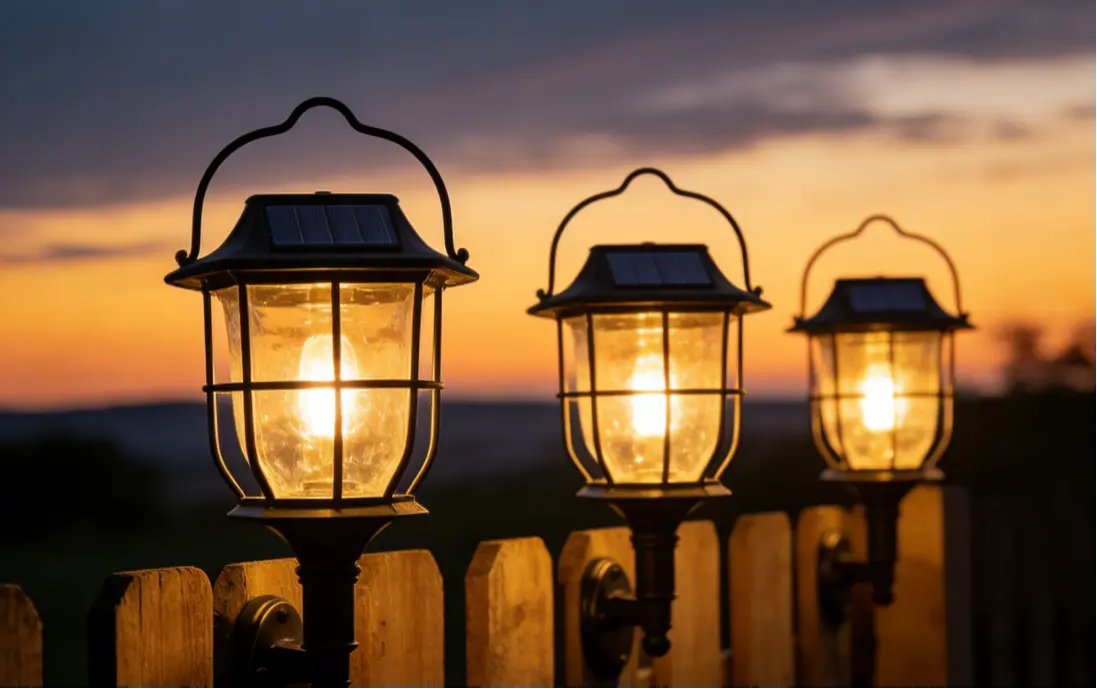
Have you ever installed new solar garden lights, only to find them flickering out before midnight? Or perhaps they stopped working entirely after their first winter? The problem often lies at the heart of the system: the batteries for outdoor solar lights.
Choosing the right rechargeable batteries for outdoor solar lamps is the single most critical factor for achieving reliable, dusk-to-dawn illumination. This guide breaks down your options and provides a practical plan to ensure your lights shine all night, every night.
An outdoor solar light is a mini power grid. The panel collects energy, but the battery is the storage bank and power dispatcher. An inferior or mismatched battery leads to short runtime, dim light, winter failures, and frequent replacements. Investing in the right solar light battery replacements is more economical than constantly buying new fixtures.
Not all rechargeable batteries for outdoor solar lamps are created equal. Here’s how the four main types compare for yard lighting.
Best For: Critical security lights, gate lights, or anyone wanting a "set it and forget it" solution.
Why They Shine: They offer an exceptional combination of extreme longevity (2,000+ charge cycles) and superior safety. They perform excellently in both hot and freezing temperatures, making them the most reliable long-lasting batteries for solar yard lights.
The Trade-off: The highest upfront cost, but the best long-term value.
Best For: The vast majority of separate solar garden lights and pathway lighting systems.
Why They Shine: This category, especially Gel batteries, offers the best balance of price, performance, and maintenance-free durability. They are the proven, standard choice for a reason. For most, they are the ideal replacement batteries for solar garden lights.
The Trade-off: Heavier and have a shorter lifespan than LiFePO4, but much more affordable.
Best For: Most all-in-one solar wall lights, stake lights, and decorative ornaments.
Why They Shine: They are lightweight and can be molded into slim shapes, fitting seamlessly inside compact light units. You usually buy them pre-installed in the fixture.
The Trade-off: Generally have a shorter lifespan and poorer cold-weather performance than LiFePO4. Quality varies greatly by manufacturer.
Best For: Very temporary, low-demand seasonal use only.
Why They (Barely) Shine: They are the cheapest option available.
The Major Downside: Require maintenance, have the shortest lifespan, and fail quickly in the cold. Not recommended for permanent outdoor solar lights.
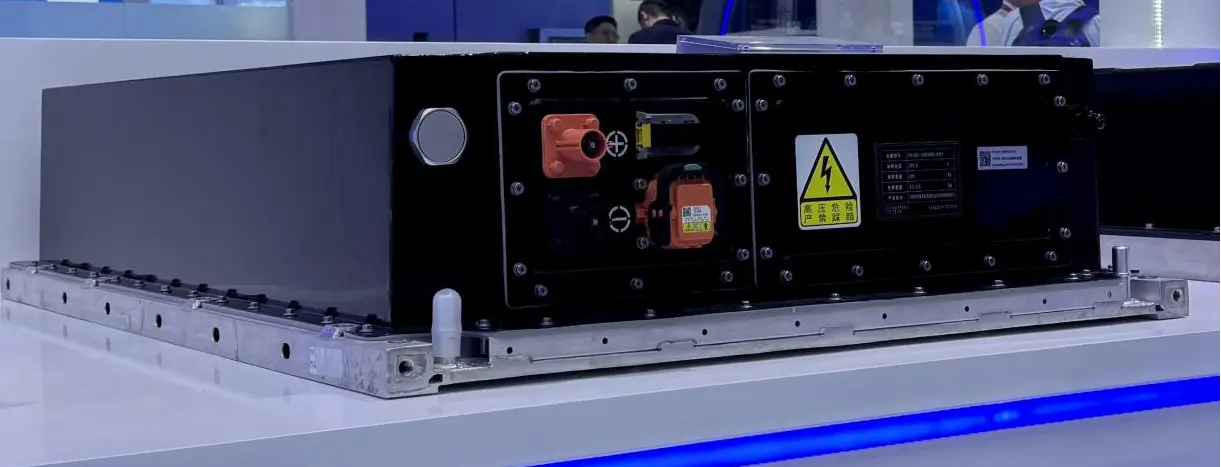
| Feature | LiFePO4 Battery | Gel Battery
(SLA) |
Li-ion Polymer | Standard Lead-Acid |
| Lifespan | ⭐⭐⭐⭐⭐ (Very Long) | ⭐⭐⭐⭐ (Good) | ⭐⭐⭐ (Medium) | ⭐⭐ (Short) |
| Winter Performance | ⭐⭐⭐⭐⭐ (Excellent) | ⭐⭐⭐⭐ (Good) | ⭐⭐ (Poor) | ⭐ (Very Poor) |
| Value Over Time | Best | Excellent | Fair | Poor |
| Our Verdict | Top Pick for Investment | Best Overall Value | Convenient for Small Lights | Not Recommended |
A good battery alone isn't enough. Follow this "Calculate, Inspect, Match" framework.
Step 1: Calculate Your True "All-Night" Need
"All-night" doesn't mean "full power all night." Smart lighting modes are key:
Use Smart Modes: Choose lights with "Motion Sensor + Dim Glow" or "Full Brightness for 6 hours, then Dim" settings. This can cut energy use by over 50%.
Do the Math: If your 2W LED light needs 6 hours of full brightness, it requires: 2W x 6h = 12 Watt-hours (Wh) of energy.
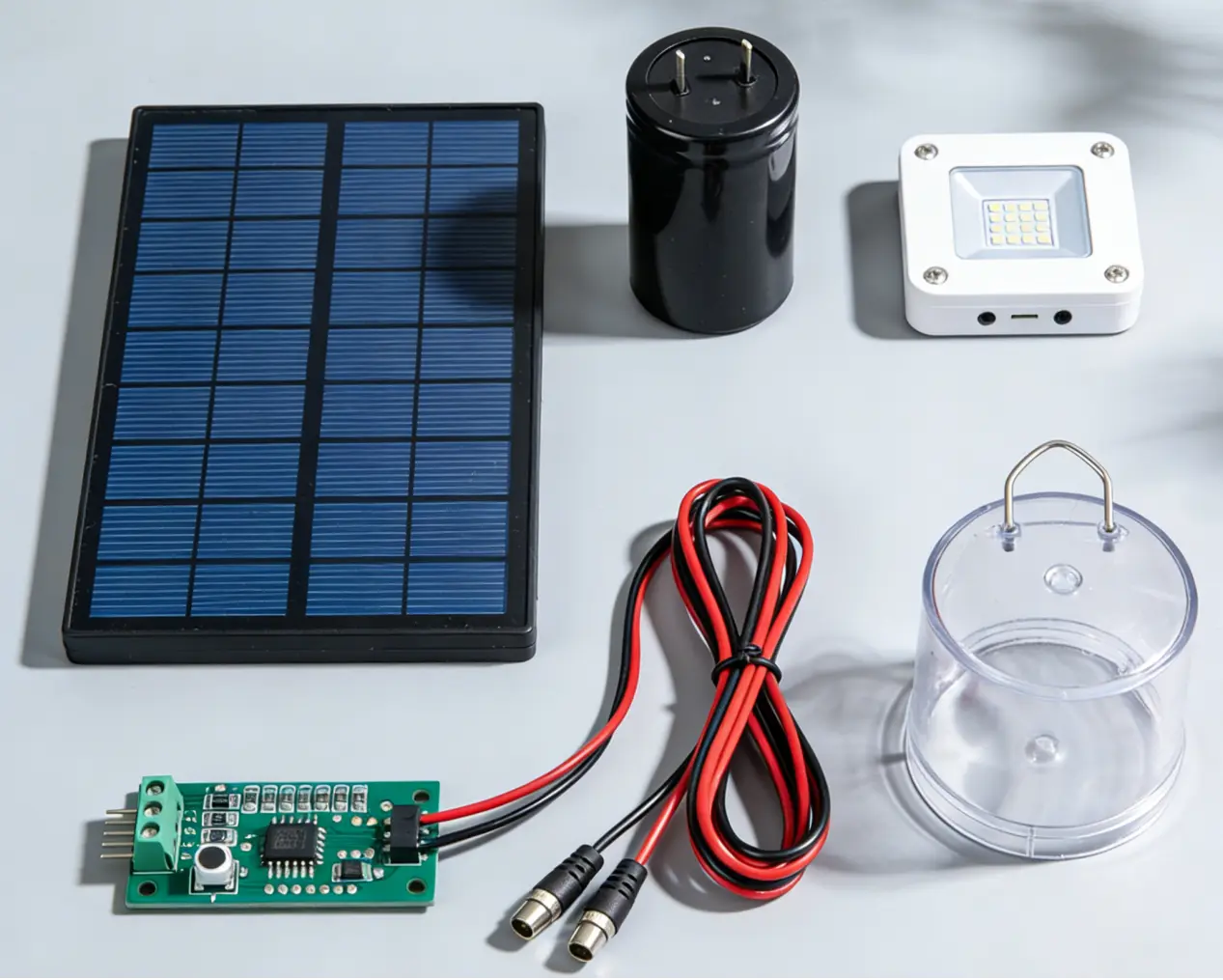
Step 2: Inspect the Two Supporting Components
1.The Solar Panel: This is your "fuel pump." Its wattage must be sufficient to refill the battery daily. A good rule: the panel's wattage should be at least 1/5th of the battery's Wh capacity.
2.The Charge Controller: This is the essential "brain." It must protect the battery from overcharging (which damages it) and deep discharging (which kills it). A good controller is what makes long-lasting batteries for solar yard lights actually last long.
Step 3: Match the Battery to Your System
Match Voltage: Ensure the battery voltage (e.g., 3.7V, 6V, 12V) matches your light's requirements.
Match Capacity: Based on your 12Wh need from Step 1:
For a 3.7V system: 12Wh / 3.7V ≈ 3.2 Ah (Amp-hours) needed.
Add a buffer for cloudy days and efficiency loss: Multiply by 1.5 to 2. So, look for a 5Ah to 6.5Ah battery.
The Golden Rule: Never regularly drain your battery completely. For longevity, use only 50-80% of its rated capacity daily.
For most pathway, garden, and decorative lighting:
Choose Gel-type Sealed Lead-Acid batteries. They are the most cost-effective and reliable replacement batteries for solar garden lights. Look for 6V or 12V batteries in the 5Ah to 20Ah range.
For primary security, gate, or porch lights:
Invest in Lithium Iron Phosphate (LiFePO4) batteries. The higher initial cost pays off with a decade of reliable, all-weather performance, making them the ultimate long-lasting batteries for solar yard lights.
When buying new all-in-one lights:
Judge the built-in battery by the size of the solar panel. A larger panel typically indicates a better-quality system designed to keep its battery properly charged.
In summary, the journey to a perfectly lit yard begins with understanding the crucial role of batteries for outdoor solar lights. By selecting the right type—whether it’s a durable Gel battery for value or a premium LiFePO4 for longevity—and ensuring it works in harmony with a sufficient solar panel and smart controller, you can finally achieve the dependable, all-night illumination you desire. Say goodbye to dark spots and hello to a beautifully lit, energy-independent outdoor space.