2025-12-30
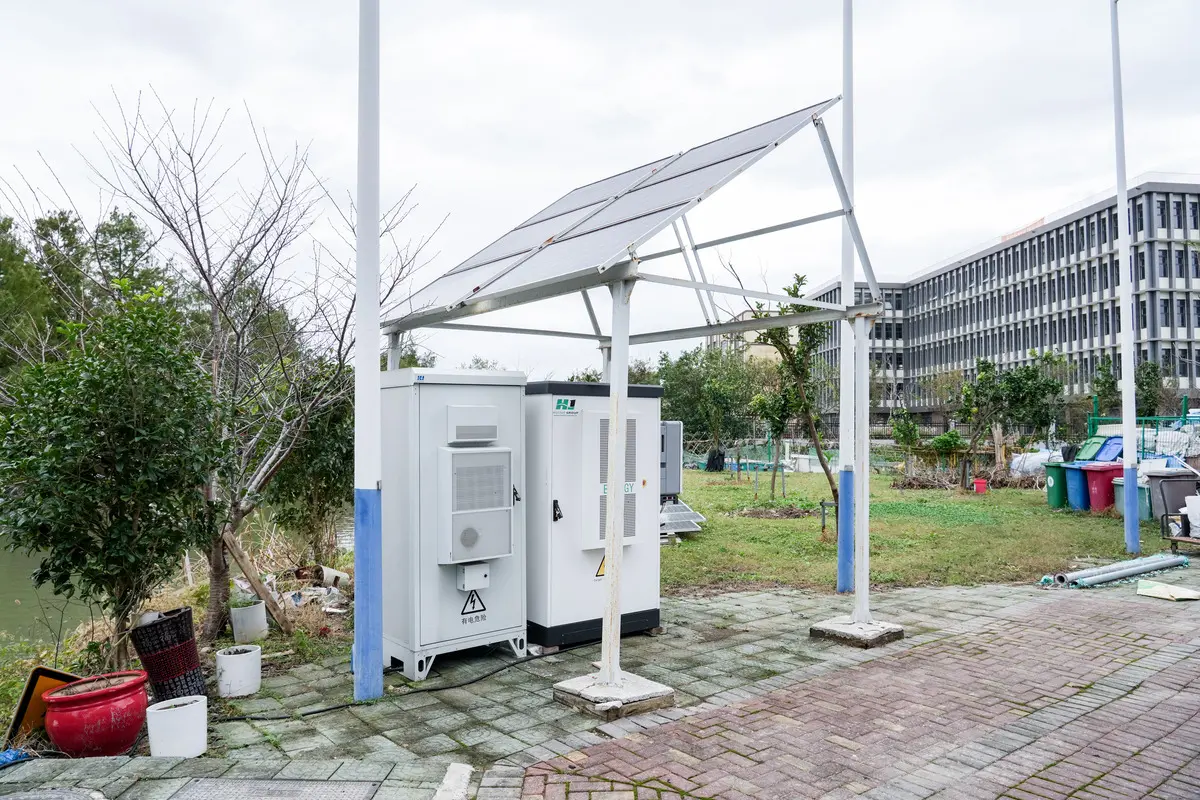
A solar portable alternative communications energy system is a power solution that operates off-grid or as a hybrid, utilizing solar energy to consistently supply power to communication devices. These systems integrate solar photovoltaic (PV) panels, batteries, inverters, and control units into a portable or transportable package. They are intended to support telecom base stations, remote sensors, emergency communication setups, edge computing units, and other essential communication infrastructure when traditional grid power is unavailable or unreliable.
In essence, this system harnesses sunlight to keep communication equipment operational, even in remote or challenging environments where power interruptions might occur.
With the increasing global need for dependable communication, energy availability becomes a major challenge—particularly in rural or disaster-affected areas. Conventional options like diesel generators or grid electricity have limitations such as high running costs, carbon emissions, and reliance on fuel supply chains.
In contrast, solar portable systems provide:
These benefits make them well-suited for sustainable communication networks in today’s interconnected world.
A standard system typically includes:
This modular setup allows for rapid deployment and adaptability across various settings.
A prominent example is the LZY Energy Outdoor Photovoltaic Telecom Energy Cabinet, specifically designed for remote communication locations.
Key Features:
Applications
This system is commonly used in:
A straightforward overview:
This process ensures continuous power supply to communication systems at all times.
| Model | Rated Power (Nominal) | Peak Power | Battery Capacity | Outputs |
|---|---|---|---|---|
| LZY-Z06-10O | 6 kW | 9 kW | 10 kWh | 220 VAC, 48 VDC, –12 VDC |
| LZY-Z12-20O | 12 kW | 24 kW | 20 kWh | 220 VAC, 48 VDC, –12 VDC |
| LZY-Z18-30O | 18 kW | 36 kW | 30 kWh | 220 VAC, 48 VDC, –12 VDC |
| LZY-Z24-40O | 24 kW | 48 kW | 40 kWh | 220 VAC, 48 VDC, –12 VDC |
This lineup demonstrates the scalability of these systems, suitable for powering anything from small remote sites to larger edge facilities.
1. Can these systems operate solely off-grid?
Yes, solar portable energy systems can function completely off-grid if the battery storage is adequate. In hybrid configurations, they can also incorporate generator or grid power inputs to enhance reliability.
2. What types of communication equipment can they support?
They are capable of powering telecom base stations, microwave radios, edge servers, IoT gateways, and other critical devices. The available AC and DC outputs accommodate both traditional telecom equipment and modern IT hardware.
3. How long can they operate without sunlight?
The runtime depends on battery capacity and power consumption. For instance, a 20 kWh battery running a 2 kW load could theoretically last about 10 hours without recharging, though actual performance varies with conditions.
Increasing Demand for Edge-Ready Power
With the expansion of 5G networks and growth in edge computing, localized power solutions are becoming increasingly important. Solar portable systems reduce dependence on extensive grid infrastructure while ensuring reliable uptime.
Integration with AI and IoT
Upcoming systems will more frequently include AI-driven energy management to optimize charging cycles, anticipate maintenance needs, and minimize downtime.
Cost Reductions and Efficiency Enhancements
Prices for solar panels have decreased, and battery technologies like LiFePO4 are improving in energy density and lifespan. These advancements will encourage wider adoption across telecom and other industries.
Based on my experience with off-grid solar setups, the biggest challenge is not the technology itself but proper site planning. Balancing solar exposure, battery sizing, and load requirements from the start prevents future issues. Often, slightly oversizing battery capacity can significantly boost system reliability during prolonged periods of low sunlight.
Solar portable alternative communication power systems offer a robust and sustainable way to power communication networks where reliability is crucial. Thanks to progress in photovoltaic technology, energy storage, and smart controls, they are becoming the preferred choice for telecom operators and critical infrastructure projects worldwide.