2025-12-23
As telecommunication networks extend their reach into deep and off-grid regions, power availability is now the major concern for telcos. Conventional telecommunication tower power availability through diesel energy is expensive, unreliable, and not eco-friendly. Here is where the telecommunication tower hybrid power solution fits into the business.
Through the integration of renewable energy sources, energy storage solutions, and smart controls, hybrid solutions provide a reliable, efficient, and future-ready power offering for telecom towers globally.
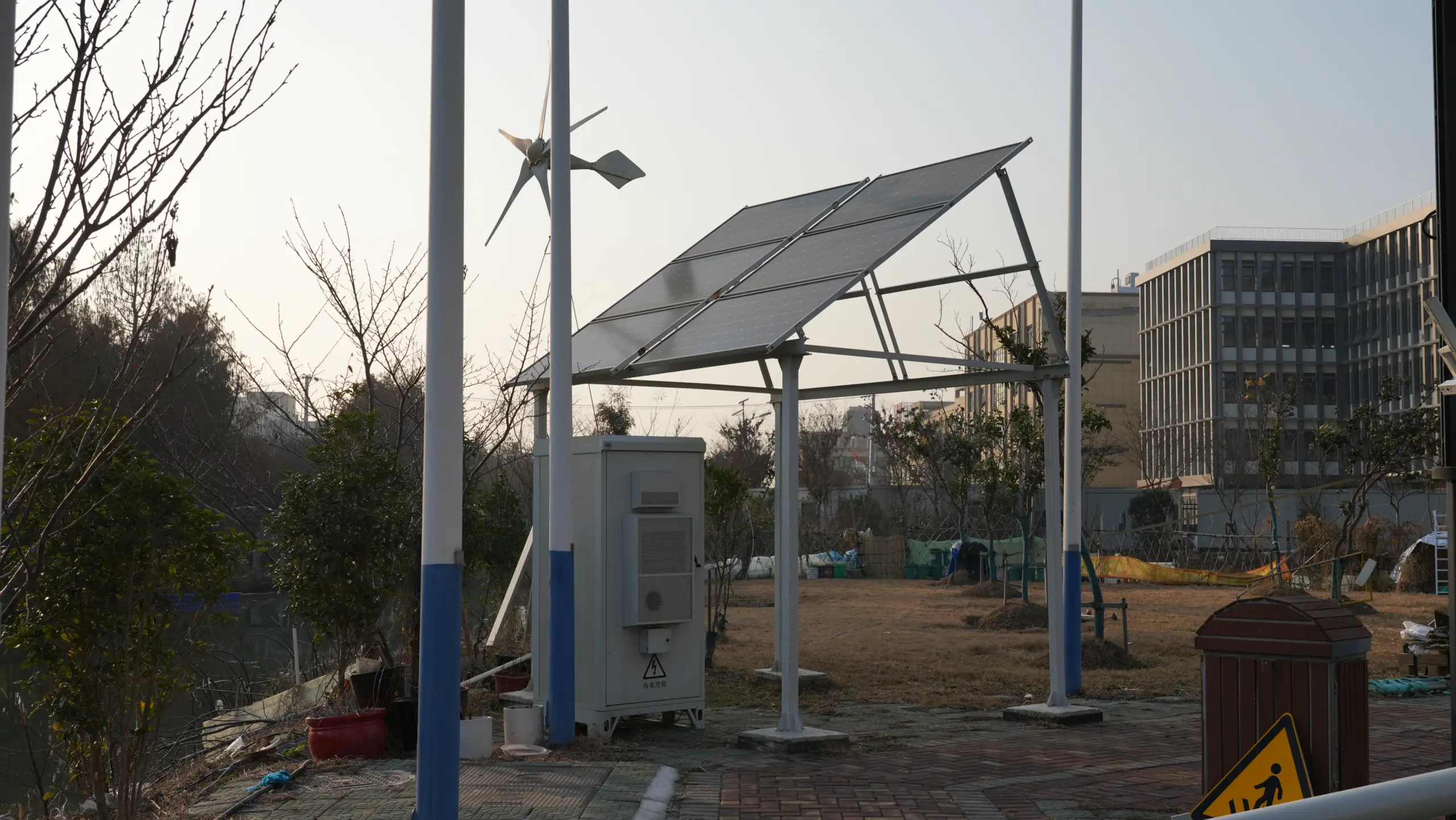
A hybrid power system for telecom towers is a holistic energy management solution that relies on at least two energy sources to provide power for base station telephony installations in telecommunication companies. Typically, in contemporary technology implementations, these include:
The basic principle is quite simple: make use of renewable energy as a power source, store the extra energy in batteries, and use diesel or grid power when necessary. This method maximizes fuel efficiency while providing constant connectivity on a 24/7 basis.
Telecom towers run 24/7, and this could be in environmentally challenging conditions where the main power source may be unreliable or even non-existent. A hybrid design can solve several problems simultaneously:
Based on my experiences in off-grid telecommunication projects, telecommunications firms generally benefit from a reduction in operational expenditures, primarily fuel costs and site visits, after transitioning to a hybrid technology solution. It usually happens within the initial two years.
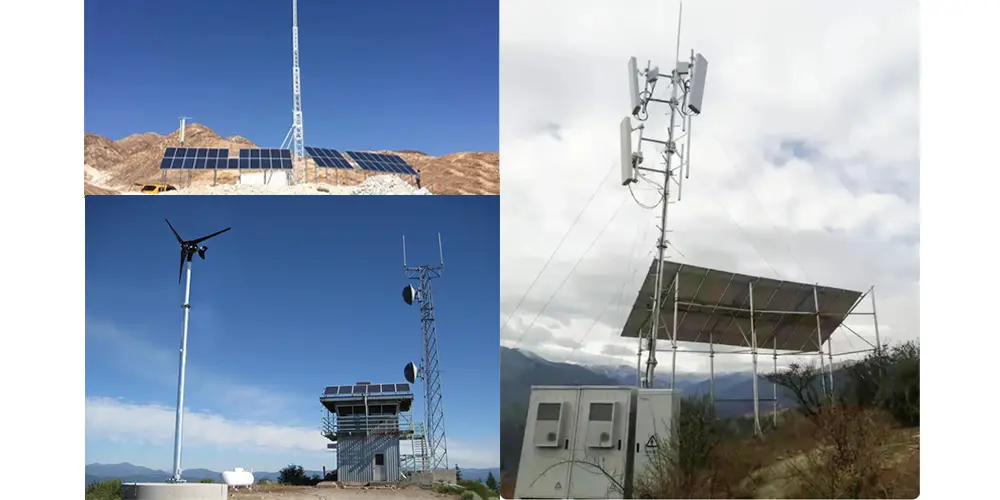
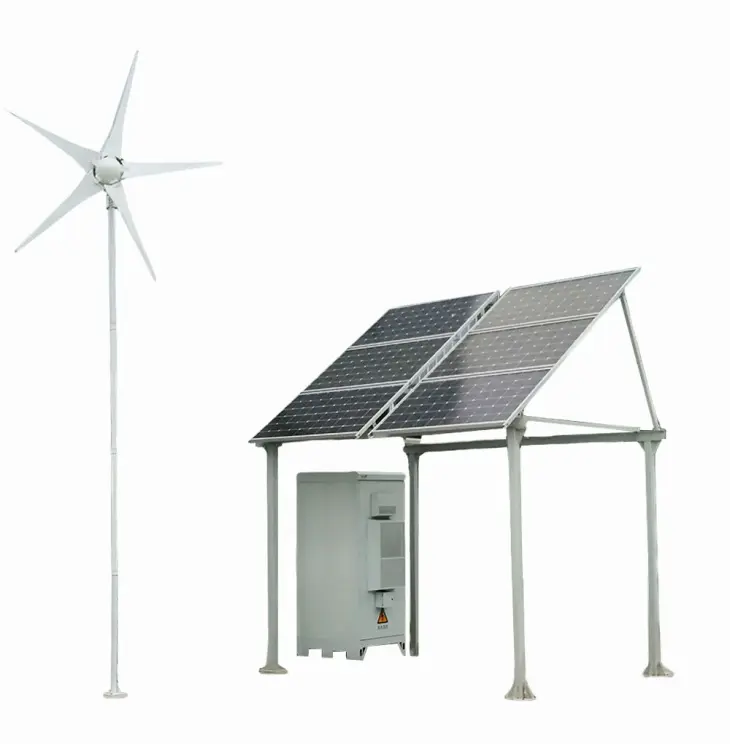
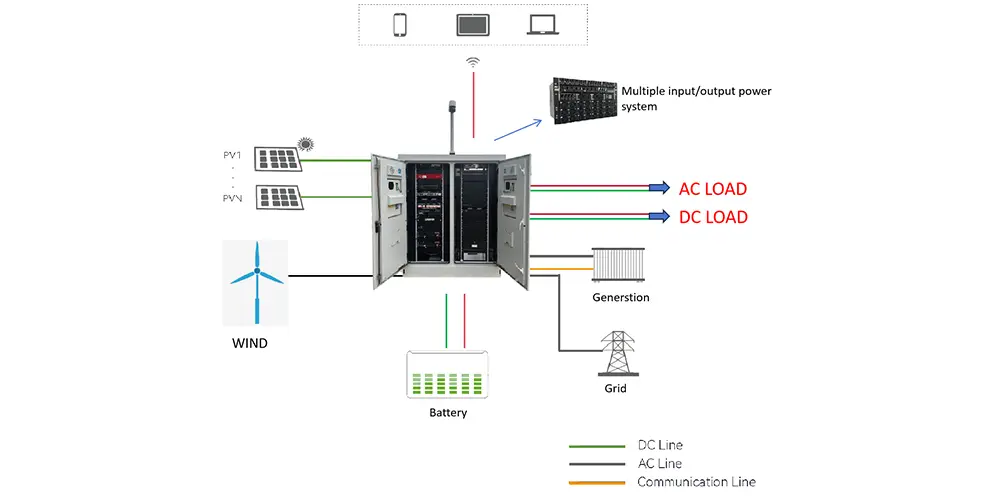
Our hybrid design has been optimized as an integrated energy cabinet intended for the outdoors. It has been designed particularly with telecom towers in mind.
Main System Components include:
Thus, such an arrangement makes solar energy and wind energy complementary to each other, which enhances the availability of energy as opposed to when energy is produced from one source.
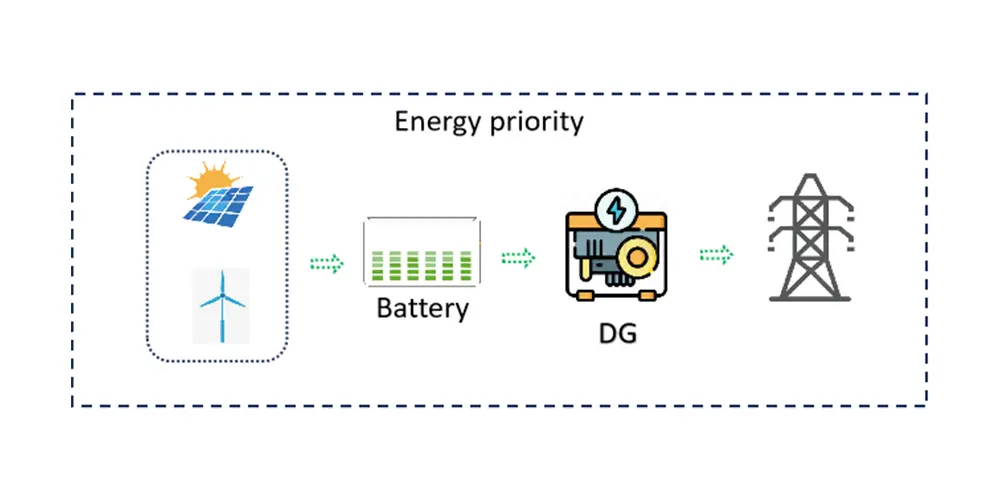
A good telecom tower hybrid power design practices a specific priority strategy of energy use:
This logical approach maximizes the use of renewable energy and prolongs battery life and shortens the runtime of the generator.
Here is a simplified reference configuration of an off-grid telecommunication tower:
| Component | Typical Specification |
|---|---|
| Solar PV | 2–5 kW |
| Wind Turbine | 1–3 kW |
| Battery Capacity | 10–30 kWh |
| DC Output | 48V DC |
| Backup Generator | 5–10 kVA |
Selection of the telecom tower hybrid power system brings forth both short-term and long-term benefits to the company:
In another rural deployment, in which I was involved, the hybrid systems cut the operation time of diesel generators from 18 hours to below 4 hours per day without affecting the network stability.
Looking forward, the following are some of the trends that are likely to influence the future of telecom energy solutions:
With a growing reliance of telecom infrastructure on distribution and energy, the use of hybrid power systems will shift from being an alternative source of power to a necessity.
As a Telecom tower hybrid power systems are no longer only fuel-saving systems; they are the backbone of robust, scalable, and sustainable telecom networks. With the integration of solar, wind, and battery energy resources into an intelligent cabinet, telecom companies are now able to save money and offer lifeline connectivity.
However, for telecommunication sites that are impacted by an erratic grid supply, high diesel costs, and tough environmental requirements, hybrid power systems prove to be a positive solution.