2025-11-26
Today, lithium ion battery solar technology is rapidly reshaping the way modern solar systems are built and used. Its core impact lies in turning solar power from an “intermittent energy source” into a “stable, controllable, and highly reliable power supply.” This transformation is driven by several key factors.
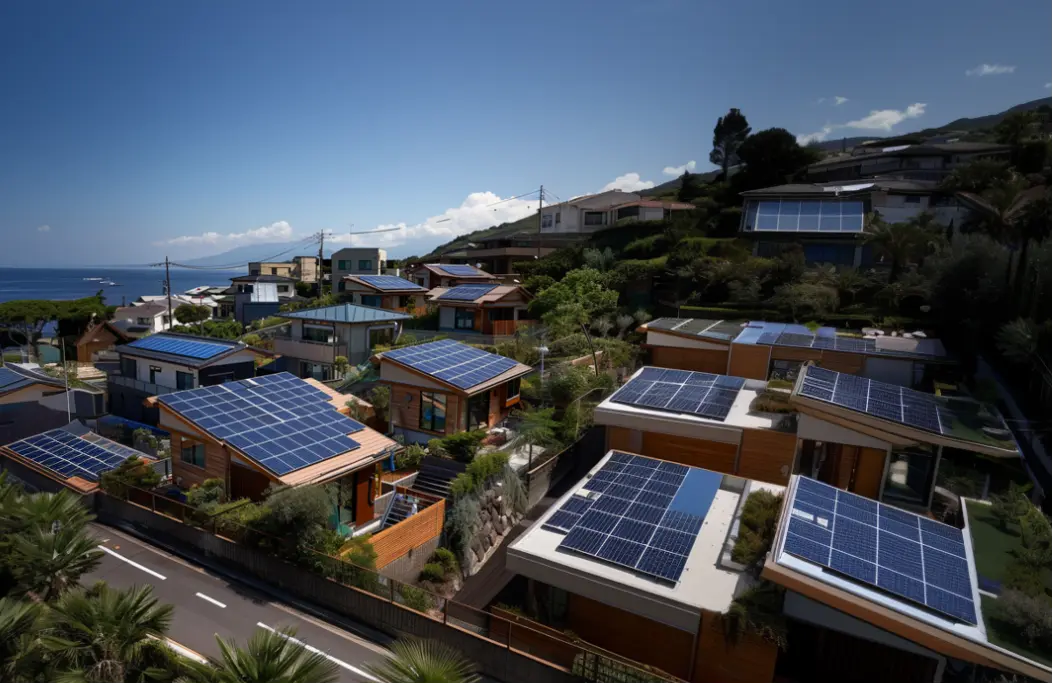
Solar energy has long suffered from the issue of depending on weather conditions—power is abundant during daytime and sunny hours but drops significantly at night or on cloudy days.
The role of lithium-ion storage—whether as a lithium solar battery, solar lithium-ion power storage, or a lithium-ion rechargeable solar battery—is essentially energy shifting. These batteries act like “energy reservoirs,” storing excess electricity during high-production hours and releasing it when solar power is insufficient. This dramatically smooths out energy output curves.
For residential and commercial users, the rise of lithium battery for solar system technology represents a revolutionary upgrade in power management.
Self-generation + self-consumption:
During the day, solar power is used first, and surplus energy is stored in the battery instead of being sold cheaply back to the grid. At night, the stored energy becomes the primary power source.
With a solar lithium energy storage unit, a solar system’s self-sufficiency rate can increase from 30–40% to 70–80% or more, enabling homeowners and businesses to operate with minimal dependence on the public grid. Users essentially become both “energy producers” and “energy managers.”
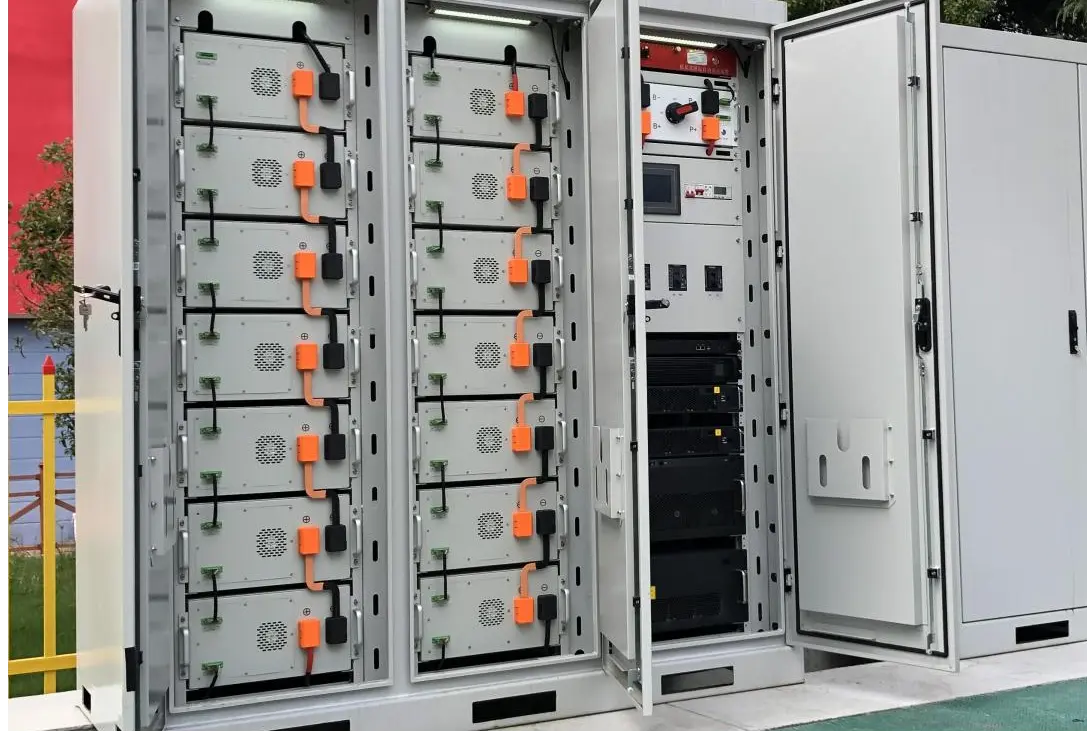
When thousands of solar + storage systems connect to the grid, the combined impact is huge.
Peak shaving and valley filling:
Batteries store electricity during low-demand periods and release it during peak hours, reducing stress on the grid and preventing the need for costly peak power plants.
Grid services:
Large-scale solar lithium storage can respond to grid frequency fluctuations within milliseconds—something traditional power plants cannot achieve. This enhances overall grid stability, power quality, and system resilience.
Delaying grid infrastructure upgrades:
In fast-growing regions, distributed solar + storage systems reduce the need for immediate transmission and distribution upgrades, saving substantial investment costs.
The ongoing drop in battery costs is one of the biggest drivers of this revolution.
Cost reduction:
Over the past decade, the price of lithium-ion batteries has dropped by more than 80%. This makes solar + storage economically competitive with conventional electricity prices, especially during peak hours.
Maximizing return on investment:
Users can charge the lithium-ion rechargeable solar battery during low-price periods and use it when electricity prices are high, shortening the payback period of solar investments.
Protection against tariff policy changes:
As many regions reduce net-metering tariffs (buying electricity from users at a lower price), having a battery ensures surplus energy can be stored for personal use rather than sold cheaply—protecting long-term economic benefits.
In areas with unstable grids or frequent natural disasters, this benefit is invaluable.
Seamless switchover:
When the grid fails, a solar system equipped with a lithium ion battery solar setup can instantly switch to off-grid mode, forming a temporary microgrid. Critical loads—such as lighting, communications, medical devices, and appliances—continue operating without interruption.
Although older technologies like lead-acid batteries exist, lithium-ion batteries stand out as the ideal choice for solar systems due to:
High energy density: Smaller and lighter, suitable for home and commercial installations.
High charge/discharge efficiency: Often above 95%, compared to 70–80% for lead-acid.
Long cycle life: Thousands of deep cycles, lasting 10+ years.
Low maintenance: Nearly maintenance-free, unlike lead-acid batteries that require frequent upkeep.
Lithium-ion technology has turned solar systems from simple “power generators” into intelligent, integrated solar lithium-ion power storage solutions and complete energy management systems. Just like a reservoir stabilizes the flow of a river, a solar lithium energy storage unit converts intermittent solar power into stable, high-quality, on-demand energy.
In essence:
Lithium-ion batteries are not just enhancing solar power—they are rebuilding the architecture and operating model of the entire energy ecosystem.
They are the key to a cleaner, more efficient, and more resilient future energy system.