2025-11-25
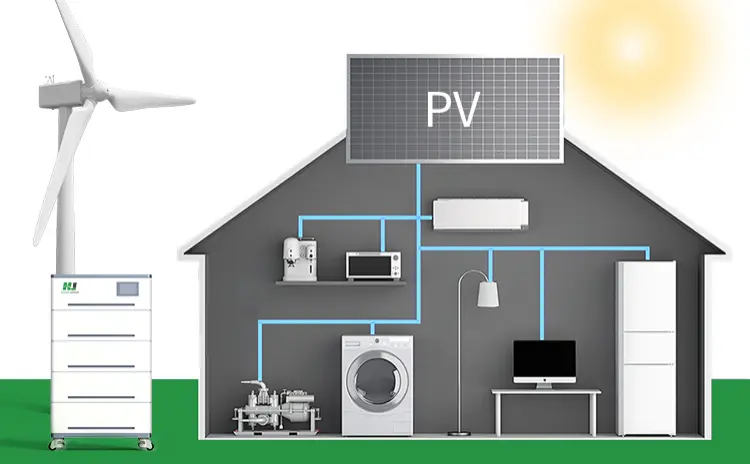
Whether you need a battery for your solar system depends on your energy usage and installation conditions. Simply put, if you have a stable grid connection and want a cost-effective solution, you can choose a solar system without battery.
But if your grid is unstable or you live completely off the grid, a battery-equipped system is more suitable than a non-battery solar system.
A grid-tied system without a battery—essentially a grid-tied solar system without battery—allows you to use your solar energy first and export excess power to the grid. When solar power is insufficient, your home automatically draws electricity from the utility grid, which acts like a “giant battery.”
Off-grid systems, on the other hand, rely on batteries and inverters to stabilize and convert the intermittent solar power. Without storage, a solar panel system without storage cannot reliably power household appliances.
Grid-tied systems are ideal for areas with stable electricity supply, helping homeowners reduce electricity bills and even earn feed-in tariffs. These systems are the most common form of battery-free solar system.
For remote areas without a grid, or regions experiencing frequent blackouts, batteries become essential. In such locations, a solar power system without battery backup cannot ensure stable power.
Grid-tied systems are simple and require minimal maintenance.
Off-grid systems, however, use batteries that typically need replacement every 3–5 years.
1.Energy Storage
Batteries store excess solar energy generated during the day for use at night or on cloudy days.
2.Voltage Stabilization
They ensure steady and reliable output voltage, protecting appliances from fluctuations caused by changing sunlight.
3.High Surge Current Support
Many appliances—such as pumps, refrigerators, motors—require a high burst of current at startup (5–10× their rated current). This is something a solar system without battery cannot supply.
Common battery types include:
Lead-acid batteries: Low initial cost but short cycle life (300–500 cycles).
LiFePO₄ batteries (Lithium Iron Phosphate): High efficiency (~95%), long lifespan (up to ~1600 cycles), and lighter weight.
Commercial-scale batteries: Typically large LiFePO₄ or sodium-ion batteries.
Sodium-ion batteries are cheaper and stable but not yet widely adopted.
If you live in an area with stable grid power and your main goal is to save on electricity bills or earn from selling excess energy, a grid-tied system—essentially a solar panel system without storage—is the best choice.
However, keep in mind:during a power outage, grid-tied systems automatically shut down for safety reasons. Even with a battery-free solar system, your home will not have power.
If you:
Live in a remote area with no grid access;
Experience frequent blackouts;
Want full independence from the grid;
Prefer reliable electricity regardless of grid conditions;
Then an off-grid system with batteries is essential.
A non-battery solar system cannot meet your energy autonomy needs.
Off-grid systems provide excellent independence but come with higher upfront and maintenance costs.
Pay attention to key parameters: battery capacity, cycle life, depth of discharge (DOD), and energy efficiency.
Choose a mature technology: Lithium or sodium battery technologies with proven safety and performance.
Consider total ownership cost: Not just the purchase price, but long-term replacement and maintenance costs.
If you'd like, you can also tell me:
Whether your installation location has a stable grid
Your approximate budget
Your daily electricity usage or major appliances
I can help you determine whether you should use a solar system without battery or a hybrid/off-grid setup.