2025-11-18
As global demand for flexible, reliable, and clean energy grows, the solar battery storage shipping container is emerging as one of the most versatile power solutions in the modern energy landscape. Designed for mobility, quick deployment, and long-term stability, this system transforms a standard shipping container into a powerful mini energy station—ready to supply electricity anytime and anywhere.
Whether for construction sites, emergency response, remote communities, mining operations, or temporary events, this innovation represents the future of mobile power.
A solar energy shipping container is essentially a compact, pre-engineered energy system that integrates solar generation and large-scale storage into one robust, transportable unit.
Inside a single container, you will typically find:
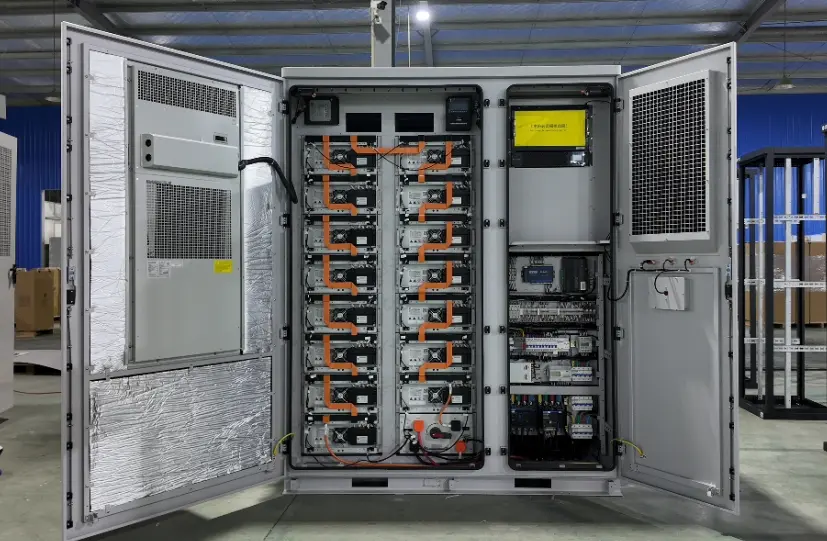
Solar inverters and control systems
A high-capacity solar battery bank in shipping container format
Battery management and thermal management systems
Safety protections and power distribution units
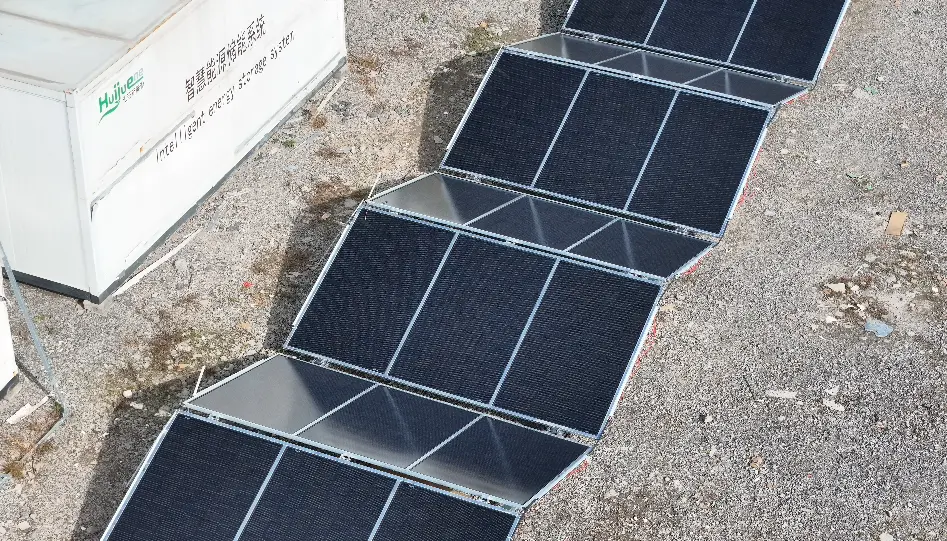
Optional fold-out or ground-mounted PV arrays
Because all components are factory-built and pre-tested, the system arrives on-site ready for rapid installation with minimal engineering.
The core value of a containerized solar power storage unit lies in its flexibility. Compared with fixed power infrastructure, this system offers:
Easily transported by truck, ship, or rail.
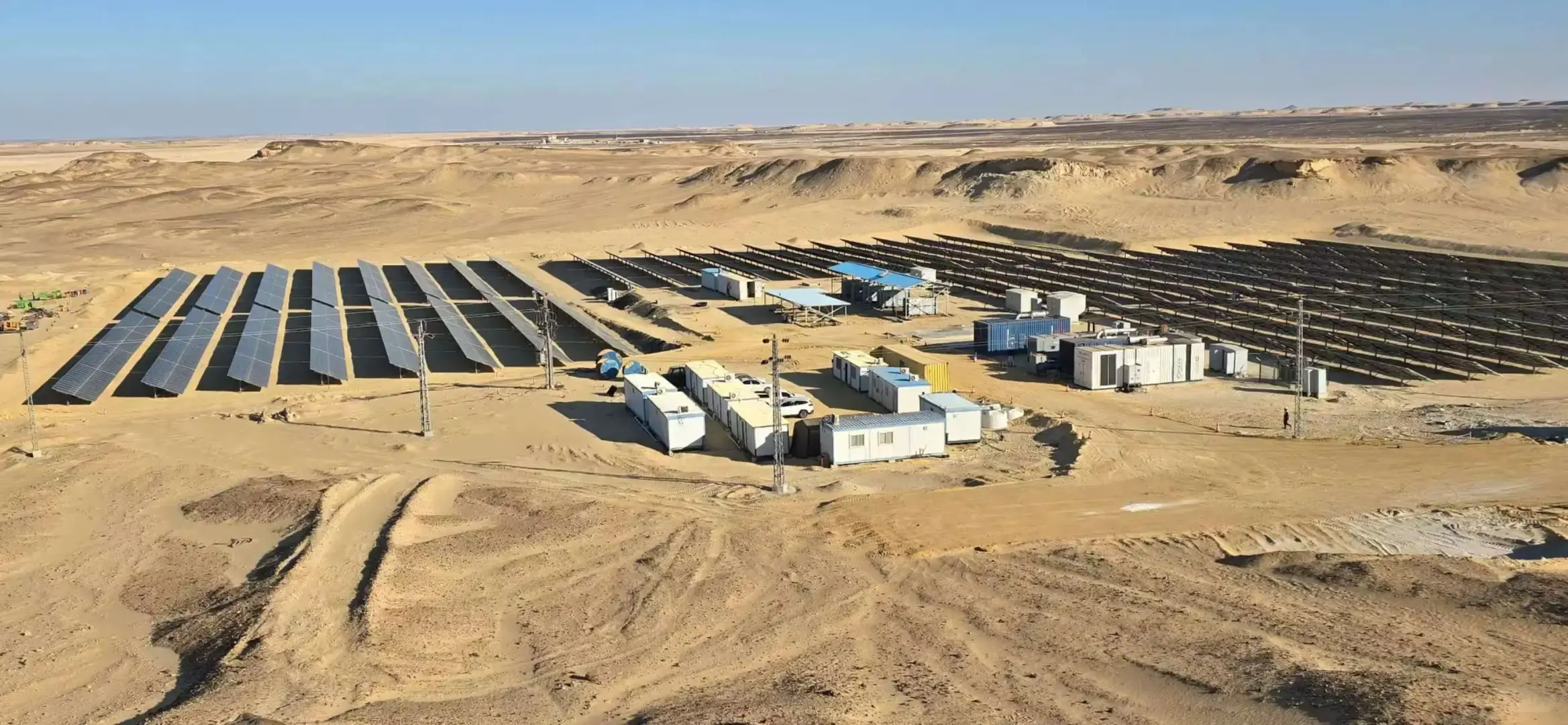
Suitable for isolated islands, deserts, highlands, and construction zones.
Simply position the unit, connect the cables, unfold the panels (if applicable), and power begins flowing within hours.
With LFP battery technology, real-time BMS monitoring, and active fire safety systems, the unit provides stable and secure power even in harsh environments.
No fuel consumption, extremely low maintenance, and decades of usable life.
This is why governments, NGOs, telecom operators, and commercial industries are rapidly adopting solar container battery storage solution designs.
A modular solar shipping container system typically operates through three major steps:
1.Solar Generation
PV panels—either roof-mounted, fold-out, or ground-mounted—capture sunlight and convert it into electricity through high-efficiency solar modules.
2.Battery Storage
Energy is stored inside the large-scale solar battery bank in shipping container, enabling 24/7 power delivery even during nighttime or cloudy weather.
3.Power Distribution
The inverter converts energy to AC or DC as needed, powering equipment, buildings, telecom towers, or microgrids.
Smart controls allow the unit to be monitored remotely, optimizing efficiency and preventing downtime.
Compared with diesel generators or the extension of traditional electrical grids, a modular system offers a range of benefits:
Zero fuel dependency
Quiet and emission-free operation
Scalable: add more containers to expand capacity
Ideal for temporary, seasonal, or evolving power needs
Perfect for off-grid or difficult-to-reach locations
It’s a future-proof solution for communities and businesses seeking clean, dependable, and rapidly deployable energy.
These systems are now widely used for:
Disaster relief and emergency medical camps
Telecom base stations
Mining operations
Military bases
Remote villages and islands
Construction sites
Temporary power for events and festivals
The combination of mobility and clean energy makes the solar battery storage shipping container one of the most practical and forward-thinking technologies of the renewable era.