2025-11-17
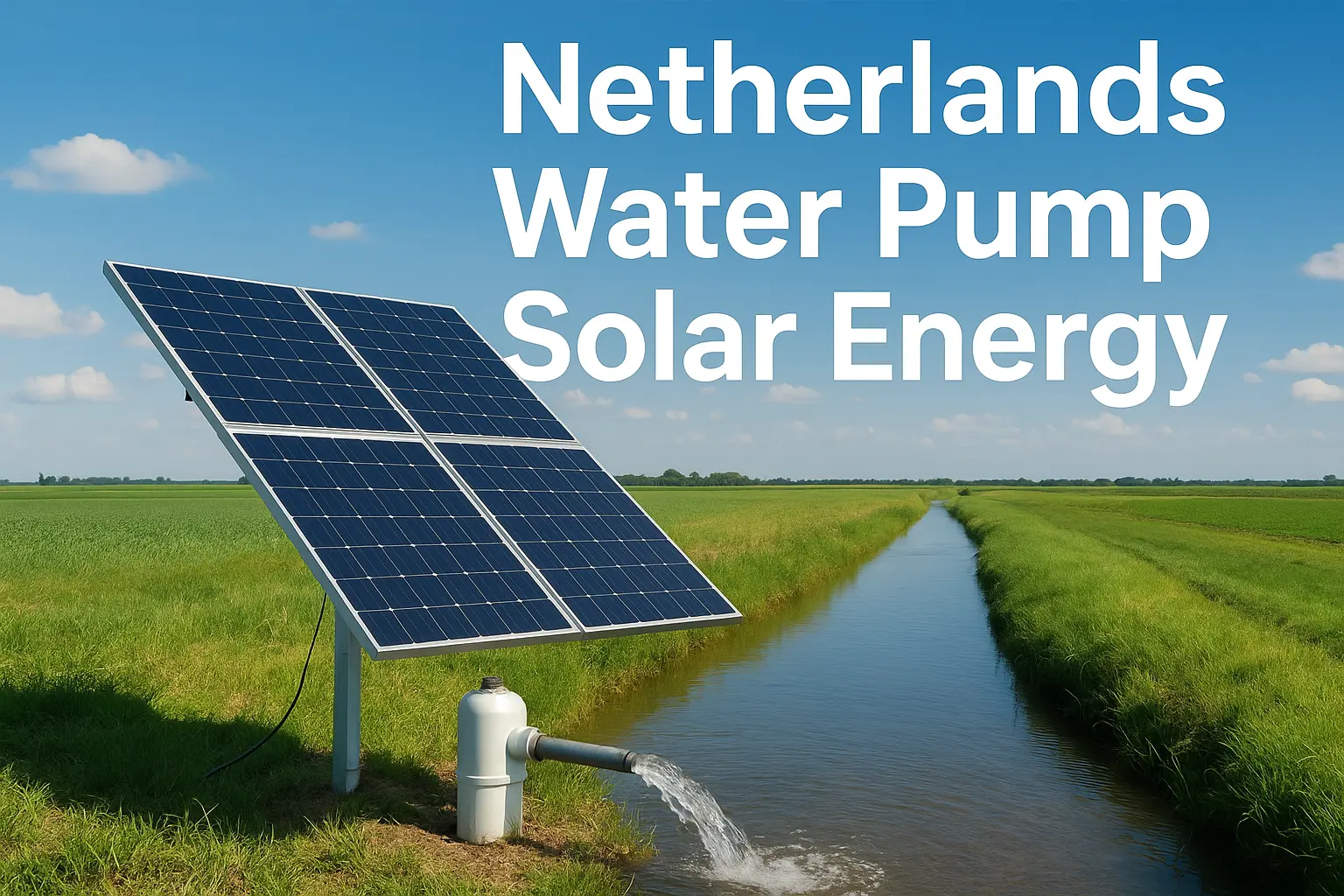
Solar-powered water pumping is becoming an increasingly valuable solution in the Netherlands for farms, greenhouse operators, and conservation groups looking to move and manage water in an energy-efficient way. In combination, solar energy and advanced pump technology offer a cost-effective, low-maintenance, and environmentally friendly alternative to diesel or grid-powered pumping systems. This article explains how solar pumps work, where they are used in the Netherlands, and what performance users can expect based on real operational conditions.
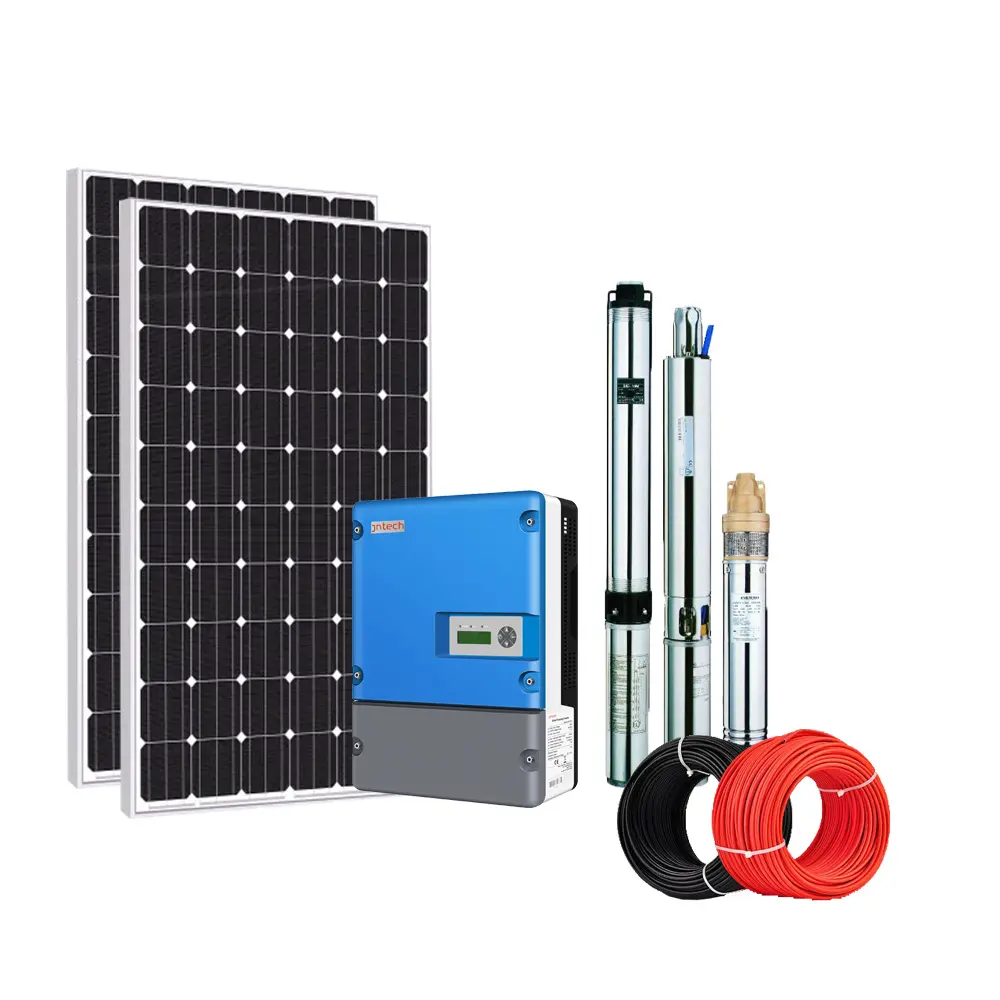
A solar water pumping system converts sunlight into electricity by means of photovoltaic panels, which in turn operate a mechanical pump. Basic components include:
How the system works:
The more advanced systems in the Netherlands may employ floating solar arrays, GPS tracking for panel orientation, or battery storage solutions for nighttime water demand.
Through personal experience with agricultural users, one of the big advantages is that DC solar pumps can continue running at reduced speed on cloudy days. Unlike centrifugal pumps, they do not have a minimum speed threshold requirement, so water continues to flow rather than stopping entirely.
Solar pumps have huge adoption in several key sectors:
Irrigation canals, crop fields, greenhouse reservoirs, and agricultural basins all benefit from solar pumping. Some Dutch farms position solar panels on floating covers to simultaneously reduce evaporation while powering the pump.
Solar pumps are used to maintain water levels in bird habitats, especially for meadow bird conservation. A properly sized pump can keep several hectares consistently inundated.
Few, if any, remote grazing areas have reliable grid access. Solar pumps transport water for livestock with no fuel storage or long-distance piping.
Excess solar energy is utilized to heat water in some systems; this increases the overall efficiency of the system. In grid-connected installations, surplus power is fed back to the utility network.
Different designs of pumps support:
The output of solar pumps in the Netherlands is subject to seasonal sunlight variation. A typical yearly distribution of average daily water yield under normal Dutch weather conditions can be seen below:
| Month | Sunshine Hours | Avg. Water Yield (m³/day) |
| Jan | 1.6 | 56 |
| Feb | 2.5 | 88 |
| Mar | 3.4 | 119 |
| Apr | 5.2 | 182 |
| May | 6.0 | 210 |
| Jun | 6.0 | 210 |
| Jul | 6.7 | 235 |
| Aug | 6.1 | 214 |
| Sep | 4.5 | 158 |
| Oct | 3.6 | 126 |
| Nov | 2.1 | 74 |
| Dec | 1.6 | 56 |
Performance of this kind makes solar pumping practical year-round, especially with daytime water storage.

Solar pumping systems offer several advantages that align with the Dutch environmental and economic goals:
Certain models contain plug-and-socket connections that create ease in installation. GPS-controlled tracking structures can automatically adjust panel orientation for maximizing water output.
LZY Energy provides solar water pumping systems suitable for the Netherlands' agricultural and wetland management needs. Our pumps are designed for:
Key features include:
LZY Energy Systems are engineered for the long term, making them perfect for farms, nature reserves, and rural water-supply projects throughout the Netherlands.
The reasons that may affect increased adoption of solar pumping include:
As these technologies continue to develop, solar-powered water pumps will play a larger role in irrigation, conservation, and energy-independent water management.