2026-05-12
The term Telecom ESS, that stands for Energy Storage Systems, refers to the application of batteries within the telecom industry. These systems provide backup power and ensure that base stations, sites for data transmission, and telecommunications towers run smoothly when there is no power supplied from the grid. Nowadays, the use of such an option has become a necessity within the telecom industry.
With the constant increase in the volume of telecom traffic and introduction of 5G, there has been an increasing need for operators to increase uptime and decrease energy use at the same time.
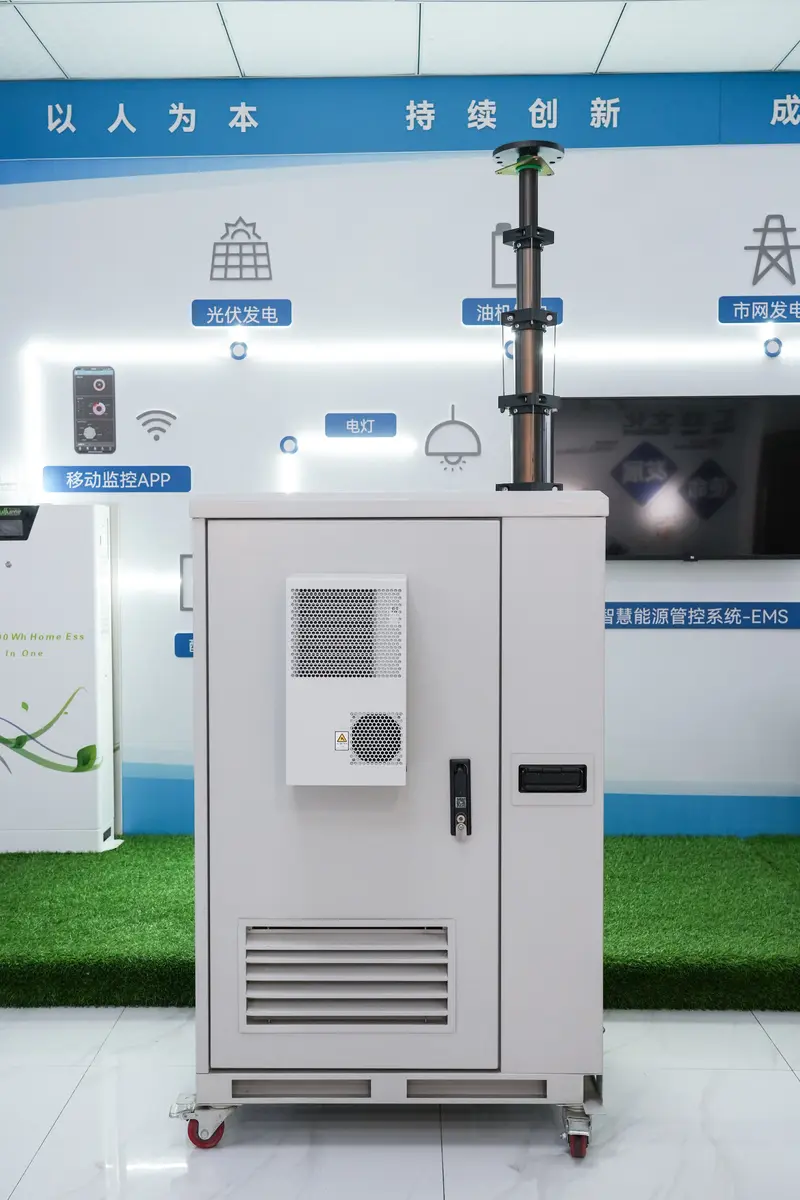
Telecom ESS refers to the energy storage solution used in telecommunications infrastructure. The solution typically consists of the following components:
The devices capture power from the grid, diesel generators, or photovoltaics and then distribute the power as required.
Unlike the traditional lead-acid batteries that are commonly used in telecom infrastructure, modern energy storage systems typically incorporate LiFePO4 batteries due to their improved properties, which include:
Telecommunication networks need to run continuously without any disruption. Any power failure will affect emergency calls, financial institutions, transportation, and cloud services.
These are the top reasons why telecom applications need ESS.
Many locations have unstable grids. Telecommunication towers situated in rural locations are prone to grid failure.
An ESS offers immediate back-up power within microseconds, ensuring no disruption in telecommunication services.
For instance:
| Power Source | Typical Response Time |
|---|---|
| Diesel Generator | 10–60 seconds |
| Telecom ESS Battery | Less than 20 milliseconds |
The time difference is significant and can impact the performance of telecommunication equipment.
Traditionally, telecom towers depended heavily on diesel generators. However, transporting and maintaining them might be highly costly.
Installing solar panels and ESS batteries can help lower diesel usage significantly.
Hybrid telecommunication power solutions can consist of:
Such an approach could lower fuel costs by up to 40%-70%.
5G radio access nodes have higher power demands compared to previous 4G technologies. Industry research suggests that one 5G radio access node can require twice the power consumption of a traditional LTE node.
There are many issues related to this matter:
ESS technology helps by utilizing stored energy when electricity demands are low and using excess energy when electricity demands are high.
To put it simply, telecom ESS functions as an energy buffer.
Energy storage solutions are implemented in various situations in telecommunications.
Macrocell telecom towers need a constant power supply for the antennae, transmission hardware, and cooling units.
With the advancement of edge computing, telecom service providers are building small edge data centers. ESS helps maintain uninterrupted operations despite power variations.
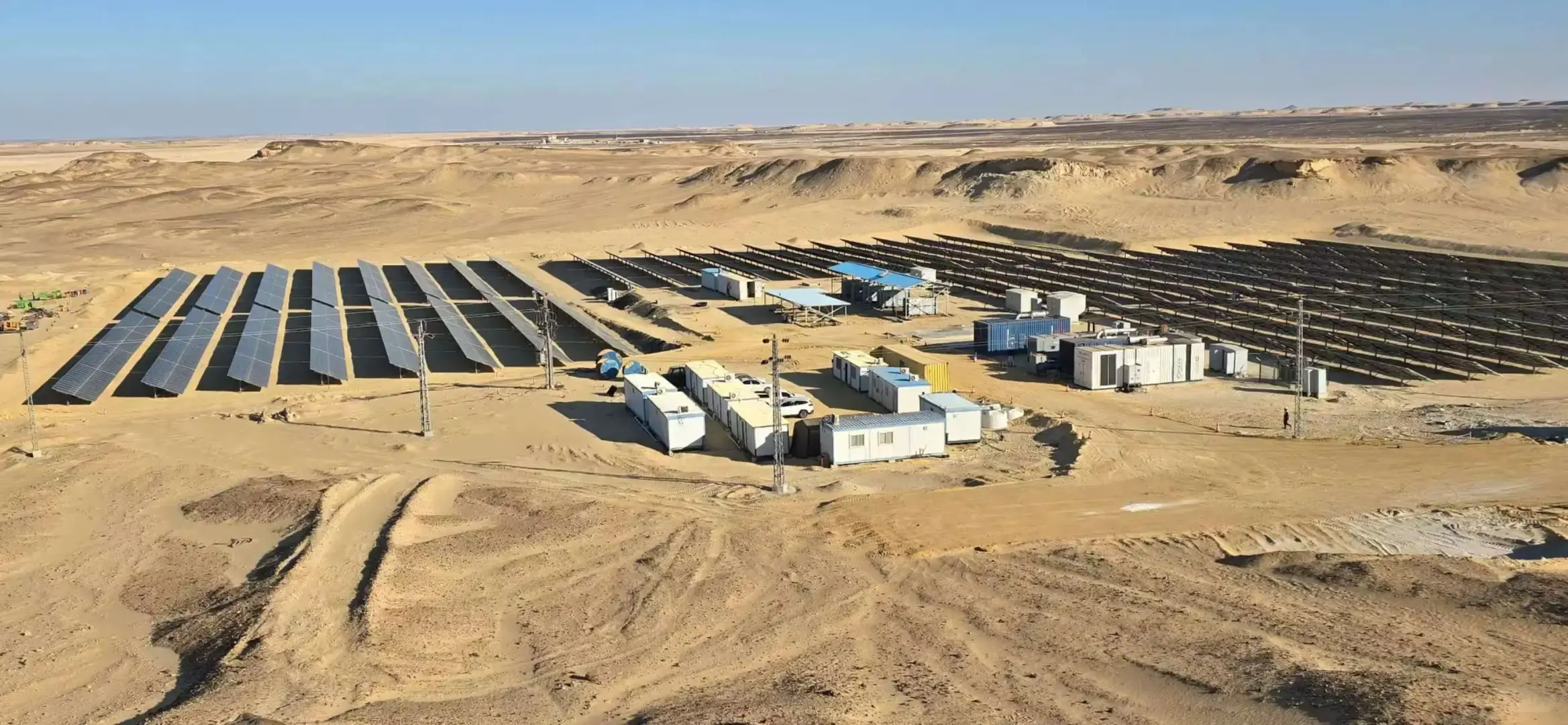
Rural communication sites use hybrid systems that incorporate solar power and battery energy storage to limit reliance on diesel generators.
Small indoor switching rooms and telecom centers utilize miniaturized rack-mounted ESS for uninterrupted power supply.
Many operators are transitioning to lithium-based systems. The differences are quite significant.
| Feature | Lead-Acid | LiFePO4 Lithium |
|---|---|---|
| Cycle Life | 500–1200 cycles | 4000–8000 cycles |
| Maintenance | High | Low |
| Charging Speed | Slow | Fast |
| Weight | Heavy | Lightweight |
| Operating Temperature | Limited | Wider range |
| Total Lifetime Cost | Higher | Lower |
From my experience reviewing telecom energy projects, operators often focus too much on initial battery price. However, long-term operating cost matters more. Lithium ESS systems usually deliver better economic value over 5–10 years.
There are increasing demands on telecoms companies to lower their carbon emissions. Many mobile network operators are currently building renewable-energy-based infrastructures.
Here are some of the benefits that can be achieved by setting up a solar + storage telecom infrastructure:
Many countries across Africa, Southeast Asia, and Latin America have rural telecom sites that rely on renewables owing to limited grid access.
What is interesting is that even telecom companies in urban centers are utilizing ESS to cut peak load requirements.
Not all energy storage systems are designed for telecom applications. Critical components of effective telecom ESS designs include:
An efficient BMS controls:
Telecom companies often monitor thousands of facilities from remote locations. Remote monitoring saves maintenance expenses via the cloud.
Scalable batteries enable future growth when expanding the network infrastructure.
Telecom cabinets deployed outdoors have to withstand extreme climatic conditions. Heat resistance becomes crucial at this point.
The table below shows a simplified comparison from a hybrid telecom tower project.
| Item | Before ESS | After ESS Deployment |
|---|---|---|
| Diesel Runtime | 18 hours/day | 6 hours/day |
| Monthly Fuel Cost | $2,400 | $900 |
| Annual Maintenance | High | Moderate |
| Network Downtime | Frequent | Rare |
Although the initial ESS investment was higher, the payback period was achieved in less than four years.
There are some trends that will influence the future development of telecom ESS products:
With growing complexity of telecom networks, energy stability will be as crucial as network coverage in the future.
Some companies like LZY Energy are also designing LiFePO4-based energy storage units specifically designed for use in telecom networks and industries, particularly for hybrid solar-power systems.
TESS technology is no longer confined to its role as a backup power source. It has become an essential element of contemporary telecommunication facilities.
From improving 5G network operations, minimizing diesel usage, to powering telecom stations using renewable energy sources, TESS is assisting providers in enhancing efficiency and reliability.
Lithium-ion battery storage technologies are advancing rapidly, and in many instances, they have become the norm for next-generation telecom energy systems.