2026-07-20
Lithium iron phosphate (LiFePO4) 314Ah batteries have become one of the most popular choices for modern energy storage systems. Compared with earlier 280Ah and 300Ah cells, the 314Ah format offers higher energy density, fewer cells per battery pack, and lower system costs while maintaining the long cycle life and safety that LiFePO4 chemistry is known for.
As utility-scale battery energy storage systems (BESS), commercial energy storage, telecom backup power, and renewable energy projects continue to grow, 314Ah battery cells are quickly becoming an industry standard.
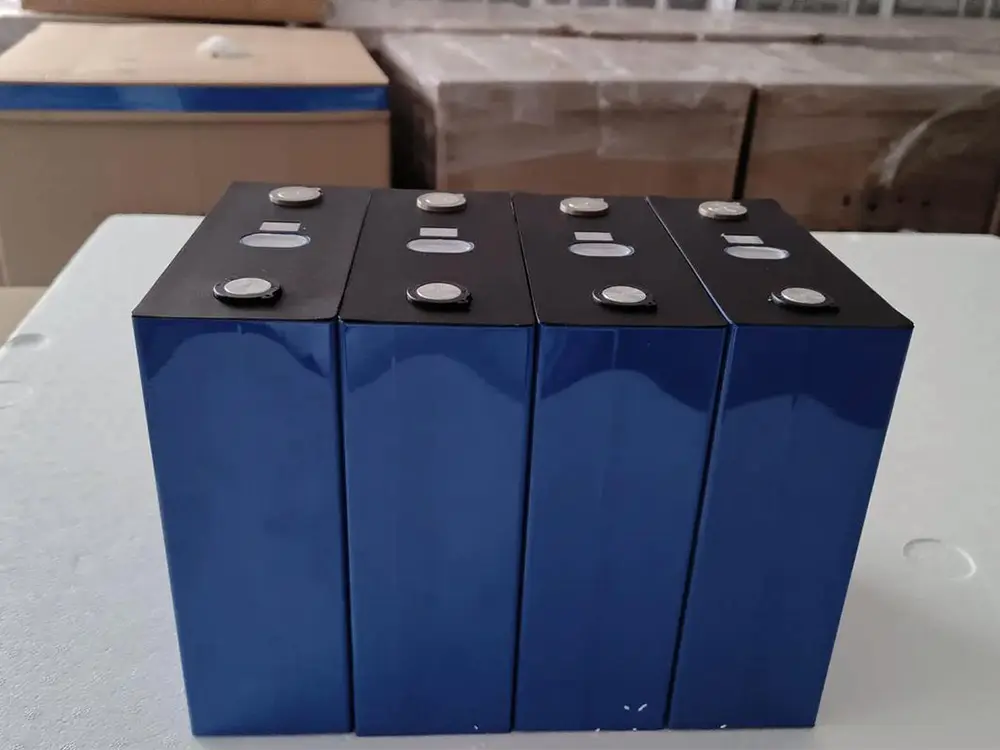
A LiFePO4 314Ah battery cell is a rechargeable lithium iron phosphate cell with a nominal capacity of 314 ampere-hours (Ah). Most manufacturers produce these cells in a prismatic aluminum case, making them suitable for building battery modules and large battery packs.
Typical specifications include:
Although specifications vary slightly among manufacturers, most premium 314Ah cells follow similar performance standards.
Just a few years ago, 280Ah cells dominated the energy storage market. Today, many battery manufacturers have shifted to 314Ah because it provides several practical advantages.
A larger capacity means each battery cell stores more energy.
For example:
| Cell Capacity | Energy per Cell |
| 280Ah | ≈896Wh |
| 300Ah | ≈960Wh |
| 314Ah | ≈1005Wh |
Using fewer high-capacity cells allows manufacturers to simplify battery pack design while increasing the overall energy density.
Since each cell stores more energy, battery packs require:
Reducing component count helps lower manufacturing costs and can also improve long-term reliability.
LiFePO4 chemistry is already known for exceptional durability.
Many premium 314Ah cells achieve:
According to the International Energy Agency (IEA), declining battery costs and longer battery lifetimes are major drivers behind the rapid expansion of battery energy storage systems worldwide.
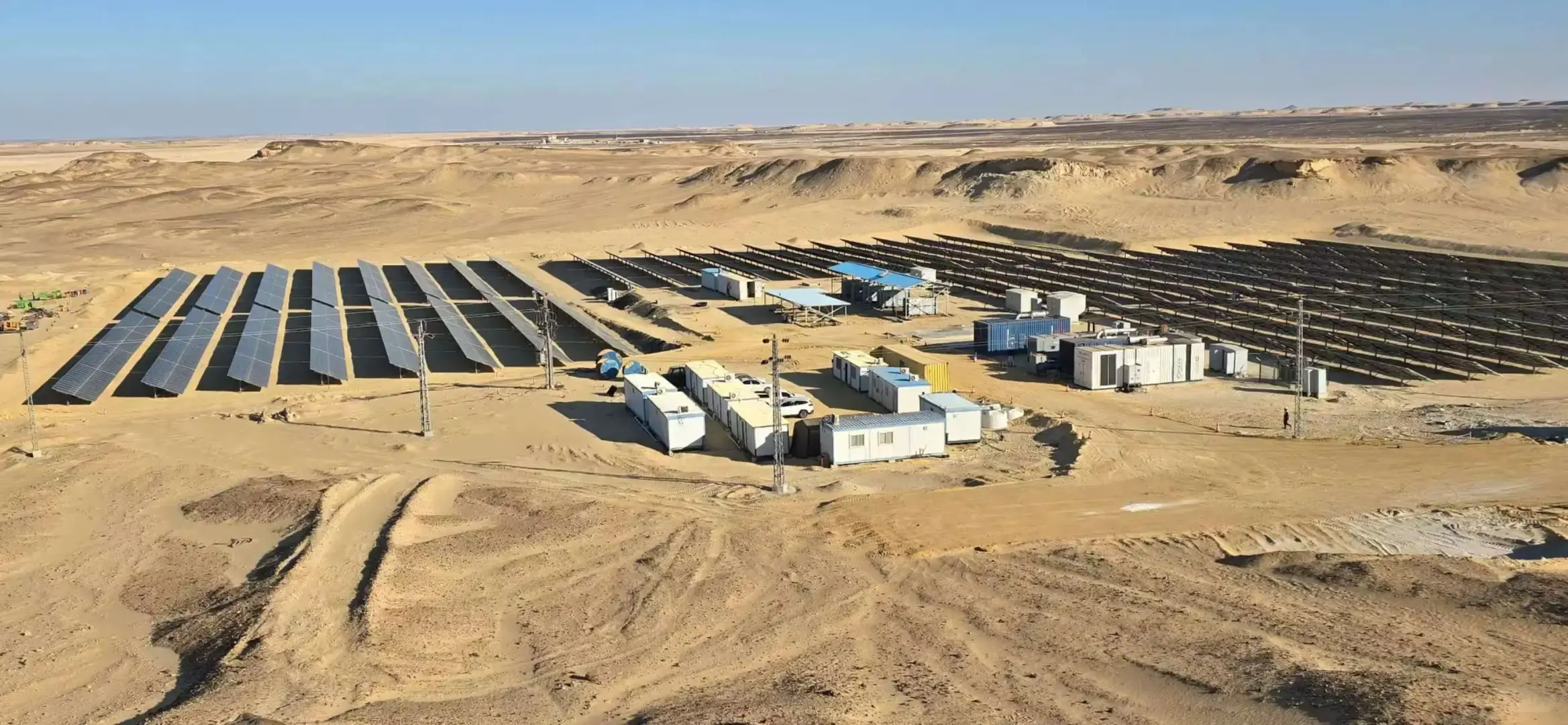
Because of their high capacity and excellent safety, 314Ah cells are primarily used in medium and large-scale energy storage projects rather than small portable devices.
Common applications include:
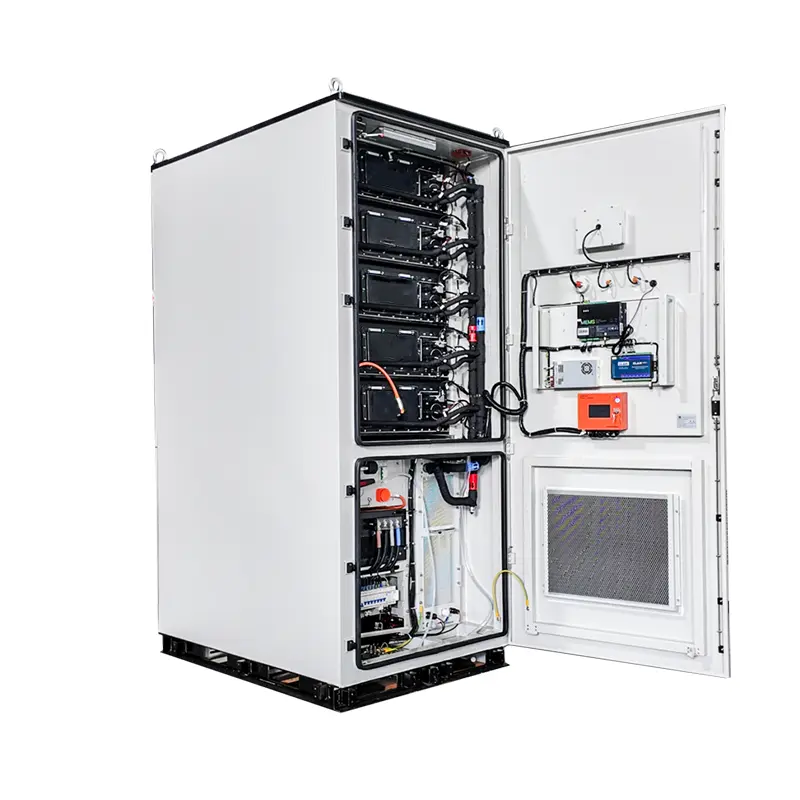
Many modern outdoor energy storage cabinets now use 314Ah battery cells because they provide a better balance between capacity, footprint, and cost.
Choosing between 280Ah and 314Ah often depends on project requirements.
| Feature | 280Ah | 314Ah |
| Capacity | Lower | Higher |
| Energy Density | Good | Better |
| Number of Cells Needed | More | Fewer |
| System Complexity | Higher | Lower |
| Cost per kWh | Slightly Higher | Lower in large systems |
| Main Applications | ESS, Telecom | Large ESS, Utility Storage |
In my experience working with commercial energy storage projects, the difference becomes much more noticeable as system capacity increases. For a residential battery, the savings may be limited. However, in a 1MWh or larger energy storage system, reducing the number of cells and electrical connections can simplify manufacturing and maintenance while improving installation efficiency.
Yes. One of the biggest advantages of LiFePO4 chemistry is safety.
Compared with ternary lithium batteries (NCM/NCA), LiFePO4 offers:
Of course, battery safety also depends on:
A well-designed battery system is far safer than simply choosing a high-quality battery cell.
Selecting the right 314Ah battery involves more than comparing capacity.
Important factors include:
Global demand for battery energy storage continues to accelerate.
According to BloombergNEF, the global energy storage market is expected to expand rapidly over the next decade as renewable energy installations increase and electricity grids require greater flexibility. At the same time, battery manufacturing costs have continued to decline, making high-capacity cells such as 314Ah increasingly attractive for commercial deployment.
Many leading battery manufacturers have already introduced 314Ah products as their mainstream platform for next-generation energy storage systems. Some companies are also developing even larger-capacity cells, but 314Ah currently offers a strong balance between performance, manufacturing maturity, and cost.
LiFePO4 314Ah batteries represent an important step forward in large-scale energy storage. Their higher energy density, long cycle life, excellent safety, and lower system costs make them well suited for battery energy storage systems, telecom infrastructure, renewable energy projects, and commercial power applications.
While larger battery cells are likely to emerge in the future, the 314Ah format has become one of the most mature and widely adopted options available today. For organizations planning long-life energy storage installations, it provides a practical combination of reliability, efficiency, and economic value that is difficult to ignore.