2026-07-14
Reliability of the power source is the first and foremost requirement for any telecommunication network. A Telecom Power Cabinet offers reliable, secure, and intelligently controlled power to the components like base station, transmission stations, outdoor telecom cabinets, and fiber optical access network. To summarize, it integrates all the components including power conversion, backup power, monitoring, and protection within one system ensuring continued communication service even in the event of power failure or unreliable supply from the electricity grid.
As the mobile communication network expands into more isolated territories and 5G infrastructure deployment continues, telecom power cabinets have become increasingly advanced. The contemporary systems are not just battery cabinets but an integration of rectifier, lithium batteries, solar power, intelligence monitoring, and remote control.
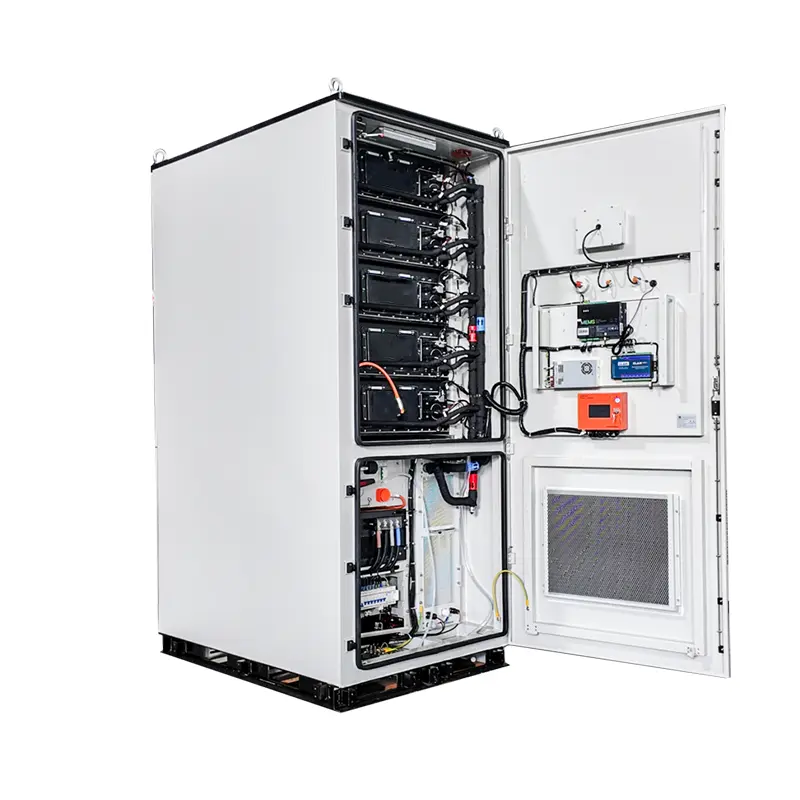
The telecom power cabinet is an enclosure that provides, manages, monitors, and protects the electrical power supply needed by the telecommunications equipment. Usually, the power cabinet converts the incoming AC electricity supply to a steady DC voltage. The standard DC voltage required for telecommunications equipment is 48V.
While the electrical cabinet provides electrical energy, the telecom power cabinet is specially made for communication systems. The telecom power cabinet can work all day long in harsh outdoor conditions and provide backup power when there is no utility electricity supply.
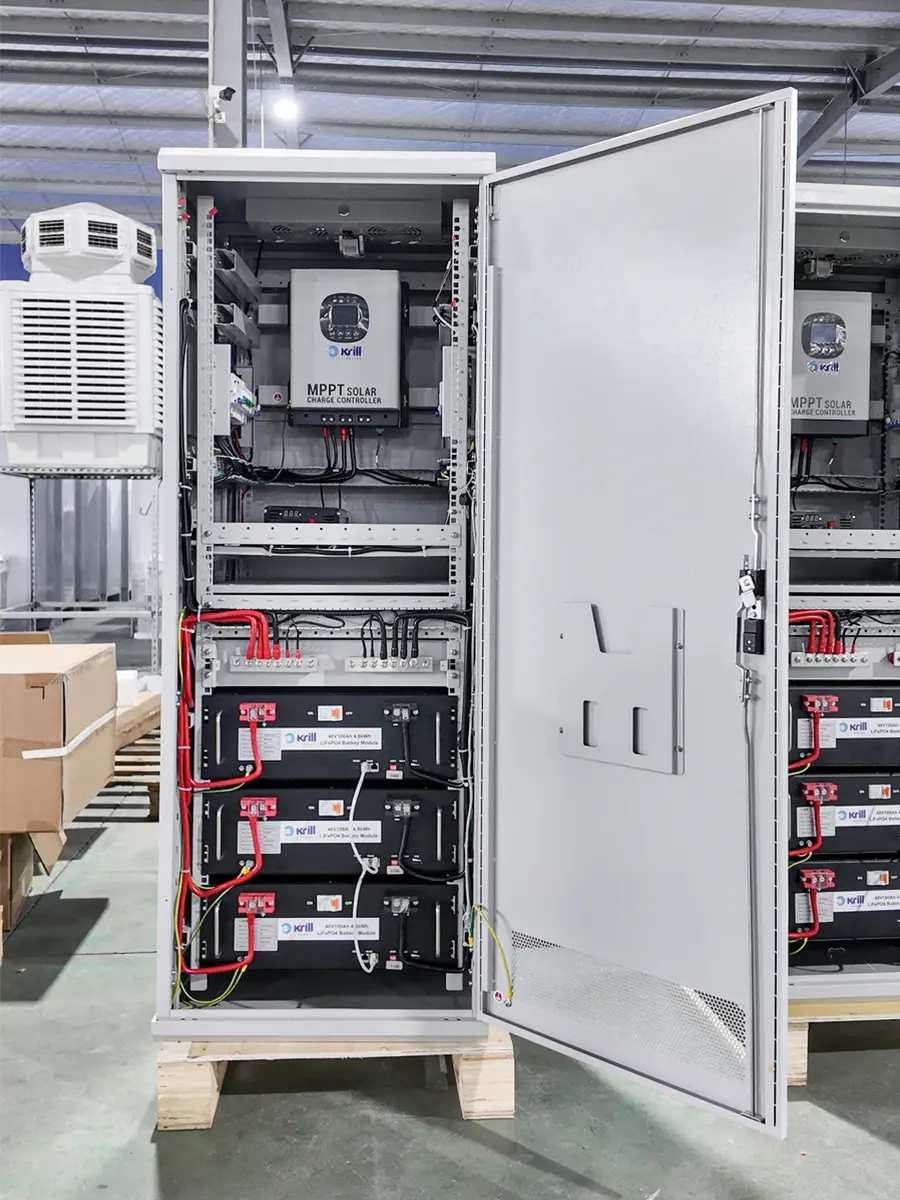
An example of a cabinet that can be provided is:
Although there may be differences in terms of configuration based on specific use cases, some of the most common components used in a telecom power cabinet include the following.
The rectifier changes AC to regulated 48 volts DC for powering communication devices. The modern rectifier module is modular and very efficient with efficiencies up to 96%.
The battery backup ensures a continuous supply of power even when the utility power is not available.
Lithium Iron Phosphate (LiFePO₄) batteries have become the preferred choice in the telecommunication industry due to their:
In line with the information released by the International Energy Agency (IEA), the cost of lithium batteries has reduced dramatically within the last decade.
The PDU distributes electricity among different loads while providing:
Remote monitoring has become a common system feature.
Monitoring systems usually consist of such elements as:
The operator is able to check several sites using a single network management system and save money.
Telecom cabinets should work properly even when there is very hard weather outside.
In accordance with the installation environment, the cooling system can be based on such solutions as:
Communication networks are up and running round-the-clock. Any brief disruption in power supply will cause thousands to suffer.
The telecom power cabinet is used to accomplish many critical objectives:
In today's highly distributed environment, power management is as crucial as the communication equipment itself.
Many telecom facilities are situated at places where there is little availability or poor efficiency of the electrical grid.
Instead of using only diesel engines, more and more companies choose to implement a hybrid energy supply system by combining several types of energy.
A typical telecom power station may include the following energy sources:
The energy controller determines which type of energy is used based on its cost-effectiveness and uninterrupted operation.
Such an approach allows reducing costs and environmental impact.
Power cabinets are extensively employed in diverse settings for communication purposes.
4G and 5G base stations must have steady power supply in the form of DC and battery backups for continuous network presence.
Equipment in the FTTx (fiber-to-the-x) network that is set up in outdoor cabinets requires compact and continuously working power units.
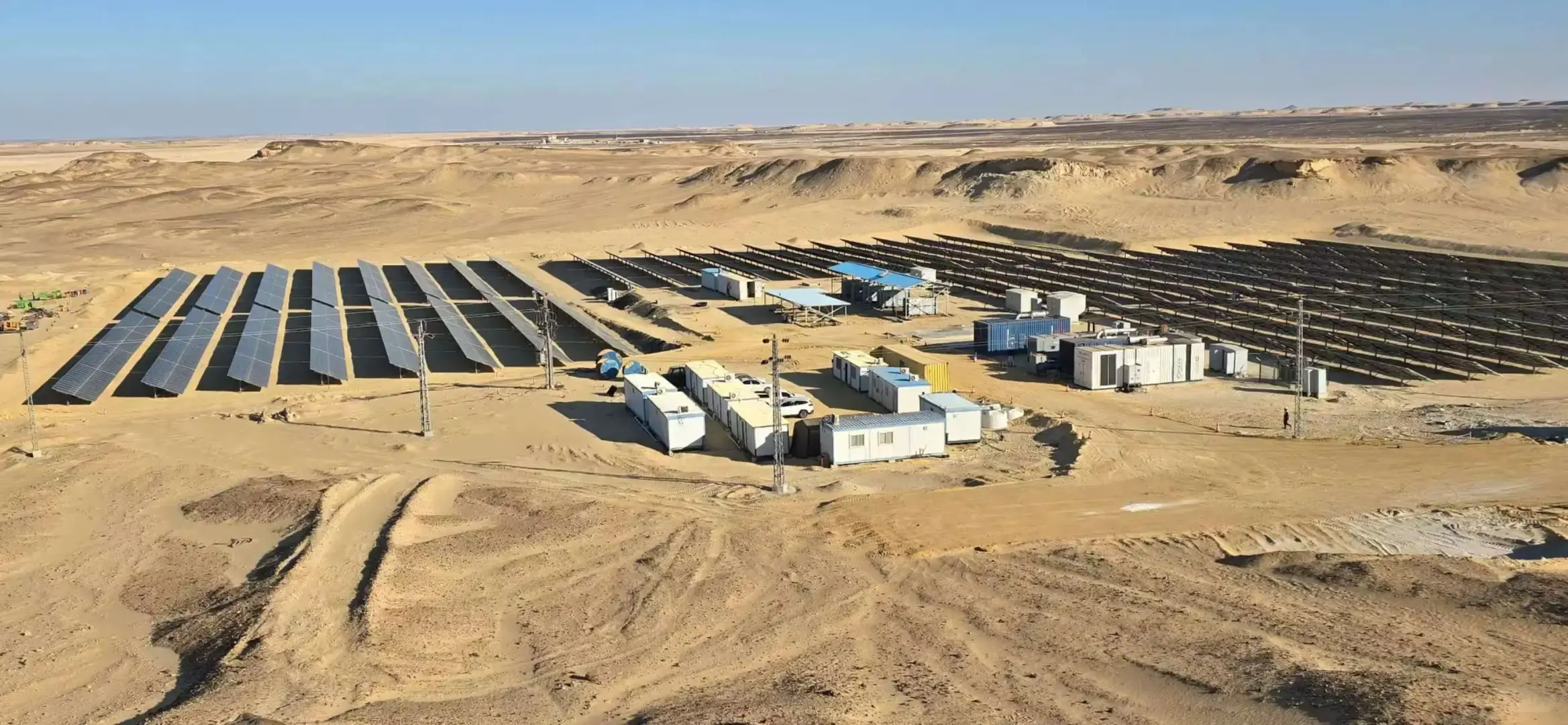
Unstable power supply occurs in mountainous areas, desert, islands, and rural areas. Hybrid telecom power cabinets help operate in solar and battery-powered modes.
Satellite terminals meant for use in emergency response, military, maritime, or remote sectors need robust power supplies.
In times of natural calamities, temporary communication networks may be established through power cabinets that are portable in nature.
The selection of the proper cabinet is not only dependent upon its output power.
Some considerations include:
It’s better to plan ahead and keep growing costs low.
There are several technological trends that affect the future generation of telecom power cabinets.
Firstly, there is an increasing use of lithium batteries, due to their lower cost during the product life cycle and less maintenance.
Secondly, there is remote intelligent management, which allows implementing predictive maintenance through cloud-based management platforms.
Thirdly, the integration of renewable energy becomes more and more popular, as the operators seek to save on expenses and to be environmentally friendly.
Fourthly, higher energy efficiency drives innovation, which is why ITU promotes energy-efficient telecommunication network infrastructure.
From my personal experience of working with energy systems of telecommunication companies, I can say that the most notable change that happened over the last few years was that operators prefer integrated hybrid solutions. They prefer to install not separate power equipment, batteries, management devices, and solar controllers, but to buy factory-integrated cabinets.
A Telecom Power Cabinet is far more than just an enclosure meant for protection. The telecom power cabinet is responsible for the management of power for modern communications networks offering stable DC power, monitoring, backup through battery storage and easy integration with renewable sources of power.
With the telecom networks growing into new territories and demanding greater data handling capabilities, there is need for smarter power systems. Therefore, investment in an effective telecom power cabinet becomes crucial.