2026-06-23
The availability of backup power has become an essential component in the development of 5G technology. With the expansion of 5G technologies globally, there has been an increasing need for backup power systems for base stations. Market research shows that the market will keep on expanding during the next ten years, fueled by increased network density and renewable energy sources.
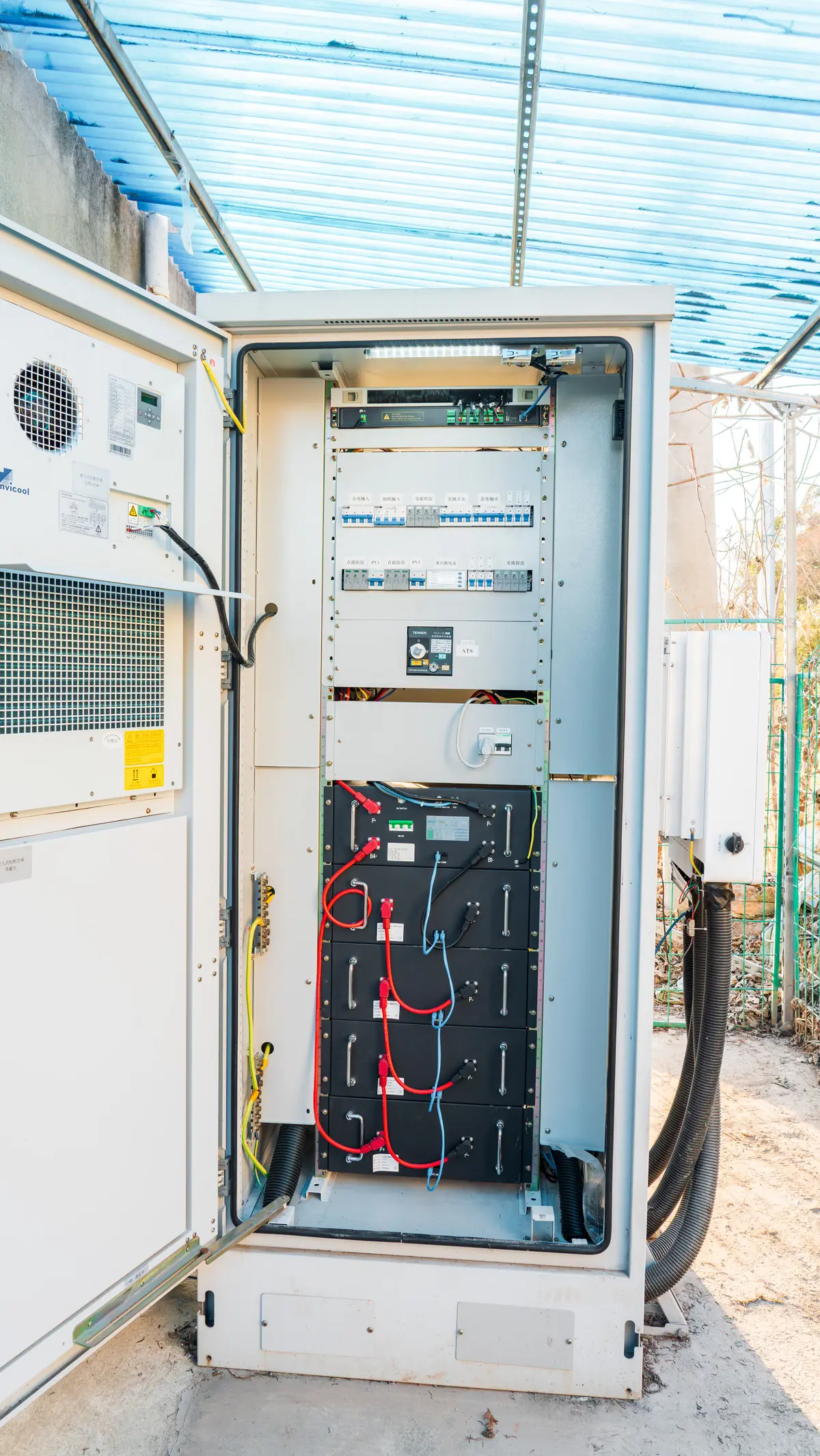
In contrast to earlier mobile technologies, the implementation of 5G technology involves more densely packed communication sites.
In the case of power failure, even temporary, there may be problems such as:
For these reasons, it is common practice that telecom operators install backup power systems which are able to provide enough power to support critical loads for several hours or even days.
Backup power sources may consist of:
Among these backup power sources, LiFePO4 batteries are increasingly popular due to their extended lifetime, higher energy density and low maintenance costs.
Expansion of global 5G infrastructure continues to be the primary growth engine for the providers of power backups.
Based on GSMA industry figures, billions of mobile connections will be using the 5G technology at the turn of the decade. The government and telecommunication companies have not ceased investments in network expansions.
Trends driving the power back up demand include:
The 5G high-frequency signal has a shorter range compared to the normal 4G signal range. This necessitates the use of more sites to provide equivalent coverage.
More sites translate to:
A standard 5G base station uses much more energy compared to many 4G stations because of:
High energy usage requires high backup battery capacities.
Telcos are increasingly looking to build networks with availability expectations that surpass 99.99%.
Achieving this requires backup power systems to offer:
These developments favor smart lithium battery systems featuring Battery Management System (BMS).
The Asia-Pacific region continues to be the largest market for 5G backup power supply systems.
Countries like:
keep rapidly extending their 5G coverage.
One country – China alone uses millions of telecom base stations that require backup batteries, power cabinets, and hybrid energy systems.
The North American market is primarily focused on:
Telecom companies have started switching from lead-acid batteries to lithium-based ones in order to decrease maintenance expenses.
Sustainability is becoming more important for telecom companies in Europe.
Many of them have started incorporating into their networks:
It creates an opportunity for hybrid telecom power systems.
One of the most important developments in the market is the transition toward lithium battery technology.
| Parameter | Lead-Acid Battery | LiFePO4 Battery |
|---|---|---|
| Cycle Life | 500–1,200 cycles | 4,000–8,000 cycles |
| Weight | Heavy | Lightweight |
| Maintenance | High | Low |
| Charging Speed | Slow | Fast |
| Energy Density | Lower | Higher |
| Total Cost of Ownership | Higher over time | Lower over lifecycle |
In my experience working with telecom energy projects, operators often focus on initial purchase price. However, once maintenance costs, replacement cycles, transportation, and site visits are considered, lithium batteries typically provide better long-term value.
This is especially true for remote base stations where maintenance access is difficult.
Telecom operators are also looking to minimize their operational costs and reduce carbon footprint.
Consequently, hybrid telecom power systems are getting more popular.
Their components include:
Such systems may help to considerably cut down the use of diesel and improve energy security.
When talking about remote and poor-grid areas of Africa, Southeast Asia, and Latin America, solar plus storage is usually cheaper than using diesel gensets only.
Although there is immense potential for growth, some challenges exist.
The telecom operators need very stringent battery safety standards which include:
There continues to be the pressure on reducing the capital expenditure without compromising the network reliability.
There is the challenge of achieving a balance between:
This is because of changes in battery chemistry, AI technology, and telecom equipment.
The 5G communication base station backup power supply market is predicted to continue exhibiting significant growth during the forecast period driven by factors such as continuous 5G rollout, increase in traffic on networks and increased requirements for reliable uptime.
Some of the technologies that would influence the future market include:
Backup power is increasingly becoming a strategic part of operations for telecom providers in terms of network reliability and energy management and control. Telecom providers who can provide secure, intelligent and scalable power solutions will have a good chance of succeeding in the next phase of 5G infrastructure rollout around the world.
If you are in need of any telecom network installations or upgrades of the current power supply systems at base stations, please contact LZY Energy for your custom-made 5G backup power supply solutions, including telecom energy cabinets, lithium battery packs, solar base stations and hybrid energy storage systems.