2026-06-16
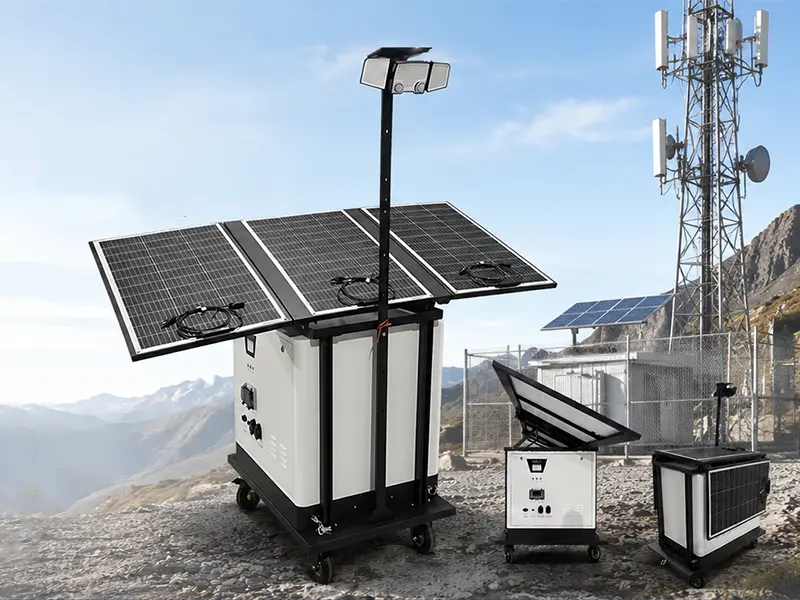
Off-grid telecommunication power trailers are a type of mobile electric generation system used to supply uninterrupted power to telecommunication towers, emergency telecommunication systems, mobile installations, and other telecommunication monitoring equipment in areas that lack grid connection.
With their ability to generate electric power through solar panels, battery energy storage system, and intelligent controllers, as well as the availability of generators for standby purposes, the mobile power units have provided an excellent alternative to diesel-based power systems in telecom industry developments.
An off-grid telecom power trailer refers to a mobile electrical power plant that is built onto a vehicle. The power trailer is made to be moved to a location very fast where it will produce electricity needed by the telecommunications system.
Some of the basic features include:
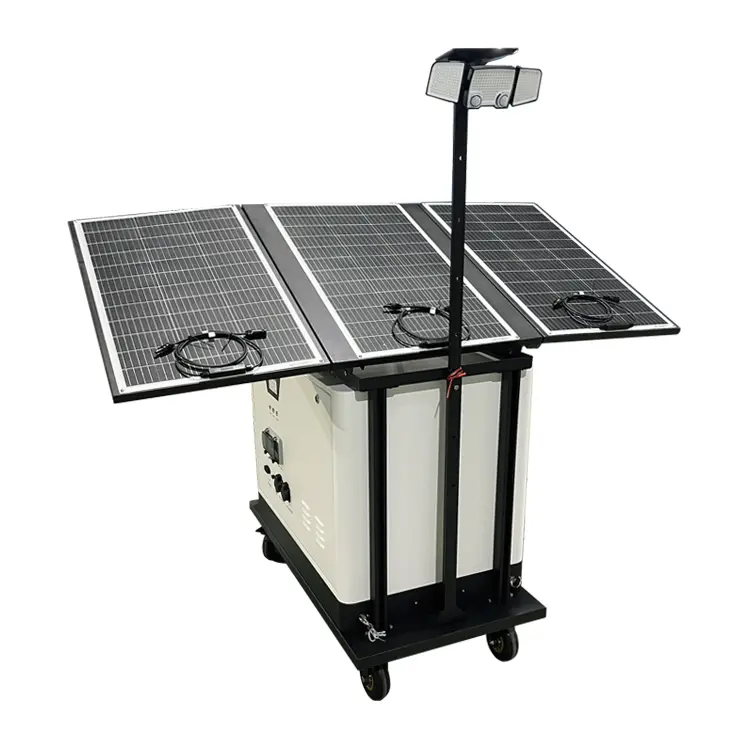
This particular LZY Energy power trailer shown below integrates both solar power generation and battery backup into a portable package. This enables quick deployment of foldable solar arrays that enable creation of power in a short time without major infrastructure investments.
Many telecommunications companies continue to rely significantly on diesel generators for off-grid telecom stations. However, while diesel generators can ensure constant backup power supply, they suffer from a few downsides:
The use of an off-grid telecom power trailer eliminates all of the above problems by relying on renewable energy sources.
A typical application includes:
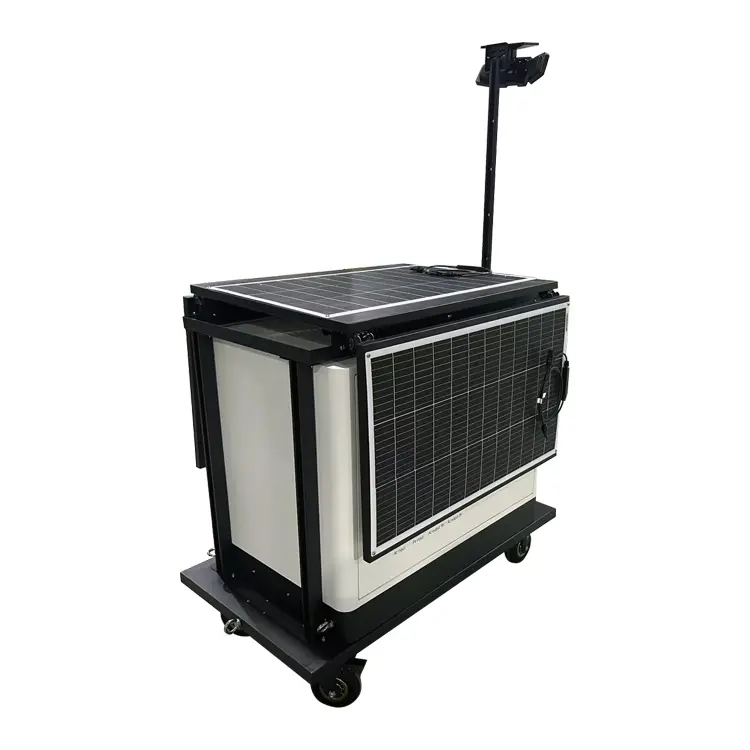
Based on our knowledge in telecom and renewable energy systems, mobility and reliability become the two key points when it comes to temporary communications.
The LZY Energy solution brings some practical benefits.
The folding solar panels may be easily unfolded at the point of installation.
Benefits include:
Deployment time usually takes just a couple of hours instead of several days.
The built-in lithium battery system absorbs extra energy produced by the solar panels during the day and provides electricity at night.
Benefits include:
The trailer-like design enables moving the system whenever it's needed according to new network needs.
Such mobility becomes useful in the following scenarios:
The system continuously tracks:
Remote monitoring capability lets us minimize unnecessary site visits.
The actual configuration depends on the power requirements of the telecom equipment.
| Component | Typical Specification |
|---|---|
| Solar Panels | 1 kW – 3 kW |
| Battery Storage | 5 kWh – 30 kWh |
| Output Voltage | 48V DC / 220V AC |
| Charge Controller | MPPT |
| Communication Interface | RS485 / Ethernet / 4G |
| Protection Level | IP54–IP65 |
| Operating Temperature | -20°C to +60°C |
An implementation example involved a portable telecom relay station needed to power a distant construction site.
This particular location required:
System produced:
From our experience working with other such projects, we can say that transportations and fuel supply comprise a rather substantial share in the costs of operations, which once excluded make the cost-efficiency of solar solutions obvious.
| Power Solution | Initial Cost | Operating Cost | Maintenance | Environmental Impact |
|---|---|---|---|---|
| Diesel Generator | Low | High | High | High |
| Solar + Battery Trailer | Medium | Low | Low | Low |
| Hybrid Solar + Diesel | Medium | Medium | Medium | Medium |
| Grid Extension | Very High | Low | Low | Low |
For remote sites located dozens of kilometers from the nearest utility connection, extending the grid can often cost far more than deploying a mobile renewable energy solution.
For choosing the appropriate off-grid telecom power trailer, one should take into consideration the following points:
Determine:
Assess:
The majority of telecom providers look for:
Think about:
Renewable energy solutions have seen more use in the telecom industry as players attempt to decrease fuel usage and carbon emissions.
Some trends impacting the market include:
One of the most promising solutions currently available on the market are mobile trailers with battery and solar panels integrated into one package.
The off-grid telecom power trailer serves as a cost-efficient solution for providing power supply to communication networks in remote or temporary sites. As opposed to the existing diesel-powered alternatives, the proposed option allows saving on expenses, reducing the maintenance efforts, as well as decreasing the negative environmental impact.
The LZY Energy off-grid telecom power trailer combines all benefits of the use of renewable energy sources, such as foldable solar panels, battery packs with high density and efficiency, as well as easy mobility of the equipment.
Contact us for a quote on solar trailers and more information!