2026-06-09
The costs involved in installing a telecom solar power system in 2026 range between $3,000 and $150,000 and above, based on several factors including the power needs of the telecom site, energy storage needs, and the nature of the installation site. The amount of solar power required by small rural telecom sites is much less than that required by large cellular base station facilities.
With growing energy costs and the search for reliable alternative energy sources, solar-powered telecom systems are fast becoming the preferred alternative power source among telecom firms.
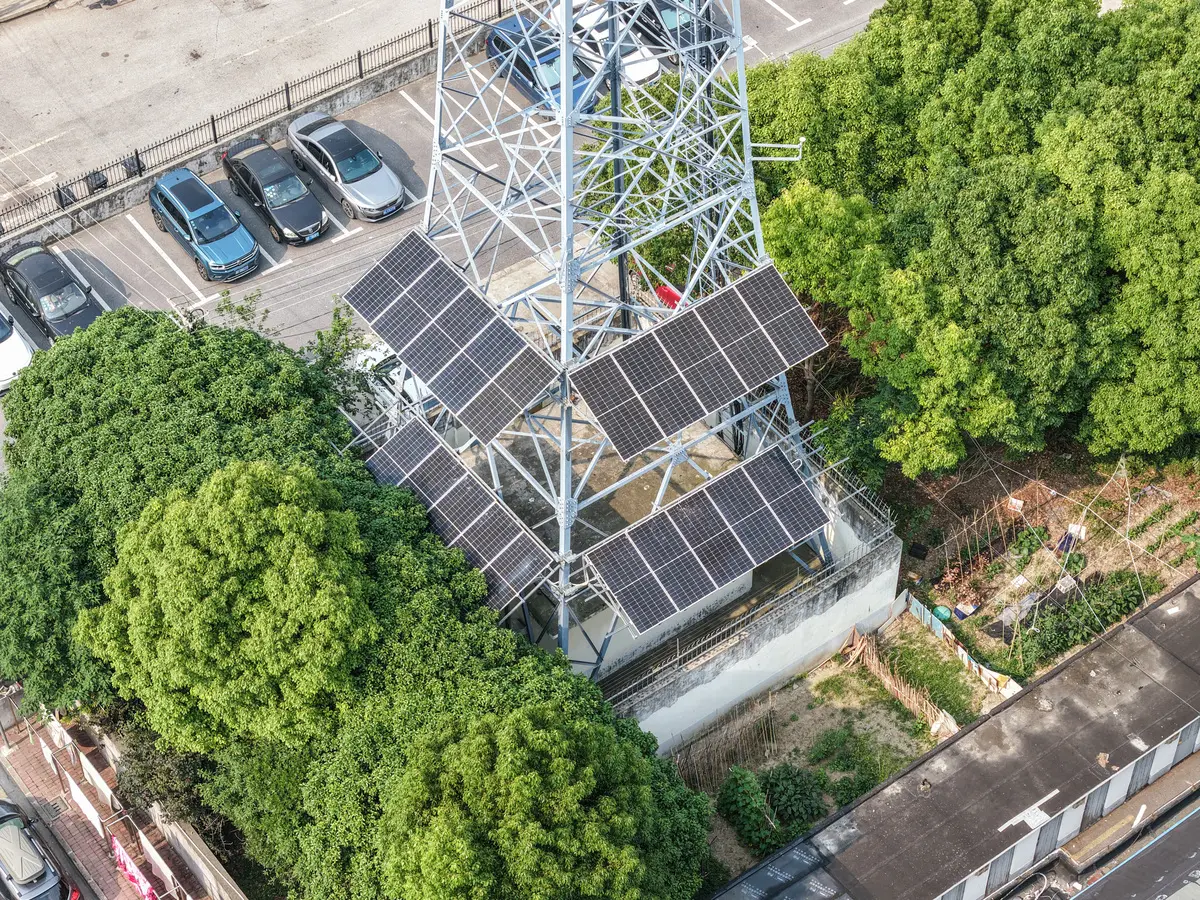
The telecom solar system can be defined as a specially developed solar energy system that is used for providing power to the telecommunication equipment like:
The main components of a telecom solar system comprise of:
The following table shows typical pricing estimates for telecom solar projects in 2026.
| System Size | Battery Storage | Typical Application | Estimated Cost (USD) |
|---|---|---|---|
| 1-3 kW | 5-10 kWh | Small remote communication site | $3,000 - $10,000 |
| 3-5 kW | 10-20 kWh | Rural cellular station | $8,000 - $20,000 |
| 5-10 kW | 20-50 kWh | Medium telecom tower | $15,000 - $45,000 |
| 10-20 kW | 50-100 kWh | Large telecom base station | $40,000 - $90,000 |
| 20-50 kW+ | 100-300 kWh+ | Communication hub or network center | $90,000 - $150,000+ |
These figures represent complete system costs including solar modules, batteries, controllers, mounting systems, and installation.
No two telecom sites are exactly alike. Several factors significantly influence project pricing.
The daily energy demand of telecom equipment is usually the biggest cost driver.
For example:
| Equipment Type | Daily Consumption |
|---|---|
| Small Radio Station | 5-10 kWh/day |
| Rural BTS Tower | 15-40 kWh/day |
| 4G/5G Base Station | 50-150 kWh/day |
| Large Telecom Hub | 200+ kWh/day |
Higher power consumption requires larger solar arrays and battery banks.
Battery systems typically make up between 40%-60% of total costs associated with projects.
By 2026, telecom providers will favor the use of LiFePO4 batteries due to their:
A telecom facility with three days of autonomy will require significantly larger battery capacity compared to a facility where grid access is stable.
Sites that are remote will cost more due to the following reasons:
Mountainous, desert, and island environments may see increased costs when installing equipment.
The amount of sunshine available plays a key role in determining system design.
Locations receiving less sunshine will require:
Therefore, the same telecom load will require varying system sizes depending on geographical location.
Telecom operators employ hybrid systems that include:
Such hybrid systems allow for reducing battery size and lowering investment.
There are several reasons why this industry trend is gaining momentum.
The cost of batteries has been steadily declining since the beginning of the last decade. Further development of lithium-ion battery production has allowed reducing costs on telecommunications power plants that include battery packs.
Fuel prices have been increasing recently, especially for diesel generators.
Transporting fuel to a hard-to-reach place entails high logistics costs. The introduction of solar energy will reduce spending on fuel transportation and repairs.
Large telecom companies strive to reduce their carbon footprint and use clean energy sources. Solar panels help operators meet their environmental responsibilities and ensure energy independence.
Power failure is still among the main reasons for telecommunication services' disruptions.
A combination of solar panels and battery storage enables reliable electricity supply without power cuts.
Consider a rural telecom tower operating 24 hours per day with an average load of 2.5 kW.
| Component | Estimated Cost |
|---|---|
| Solar Panels | $2,500 |
| LiFePO4 Batteries | $8,000 |
| Controllers & Rectifiers | $2,500 |
| Mounting Structure | $1,500 |
| Monitoring System | $800 |
| Installation & Commissioning | $2,700 |
| Total | Approximately $18,000 |
Compared with a diesel-only solution, the investment can often be recovered through fuel savings and reduced maintenance within several years.
As much as selecting the appropriate equipment matters, finding an experienced supplier also counts.
A good supplier should have:
With LZY Energy, you will benefit from over a decade of designing and implementing solar energy systems in the telecom industry. The reason why our experience counts more is that prior to getting into the solar energy business, our expertise was in network and telecom equipment. This gives us an advantage because we have more insight into telecom sites and their needs than most renewable energy companies.
This way, we are able to create custom-made solutions for our clients around the world.
While the costs associated with installing solar telecom systems in 2026 will range widely, the economic advantages of using them in the future cannot be overstated. The combination of lower prices for batteries, rising costs of fuel, and high demand for reliable communications services makes investing in solar energy for telecom applications an attractive choice.
At this point, telecom companies have already determined that installing solar energy facilities is feasible; the challenge lies in designing an optimal solar energy solution based on thorough load analysis and battery sizing.