2026-06-02
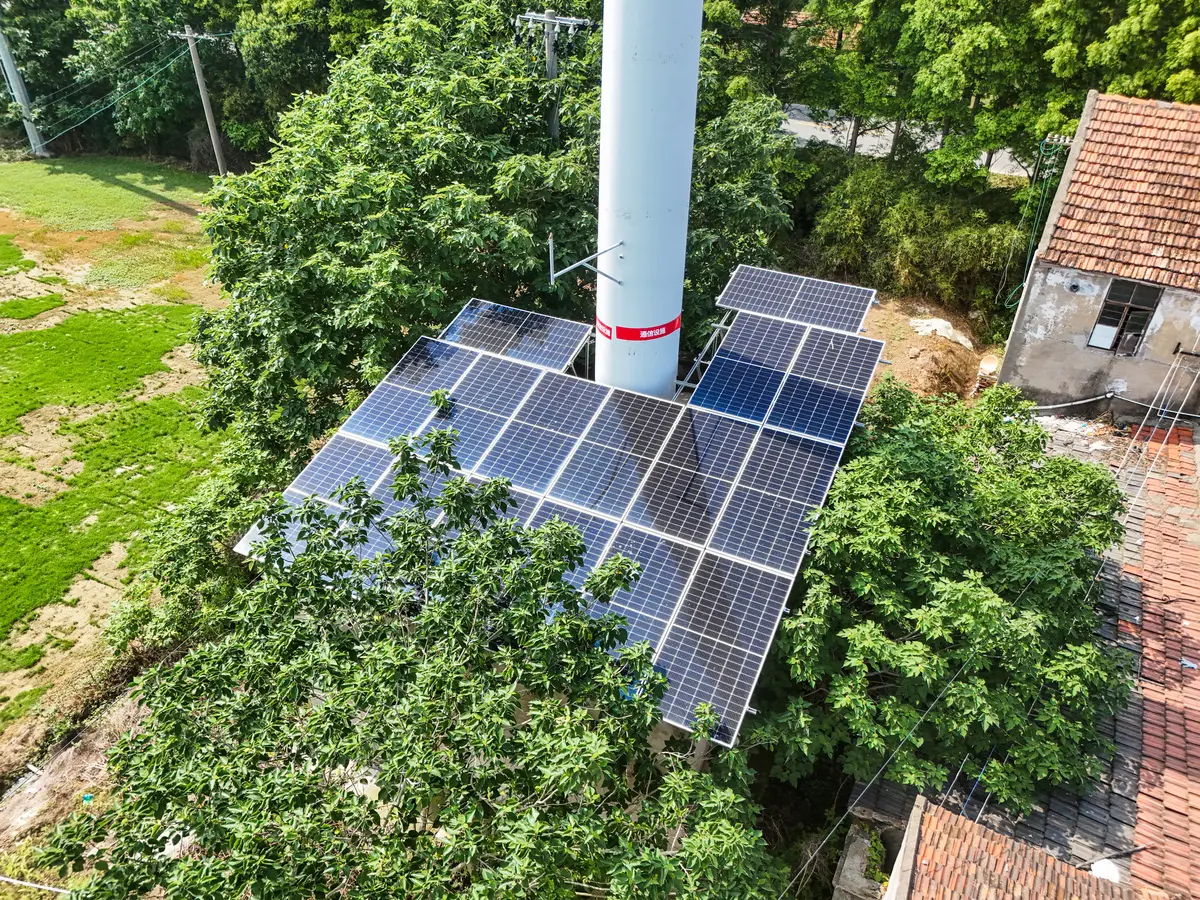
There is potential in using solar power to run telecom towers situated remotely and not connected to any electrical grid network. The use of solar telecom tower technology offers cheaper operation and maintenance costs and enables sustainable practices. Thanks to improvements in solar panel technologies and batteries, telecom towers run by solar power are viable options in both developing countries and developed nations.
The use of telecommunication towers is integral in supporting mobile services, the internet, emergencies, and IoT. However, a significant number of towers are located in isolated areas where electricity from the grid network cannot be relied on for energy supply.
For decades, diesel generators have been the alternative method to provide power for telecom towers. Although such an arrangement has proven effective in powering towers, it still suffers from various shortcomings, including:
Solar telecom tower solutions eliminate all these problems.
A solar telecom tower solution refers to a type of energy system that provides electricity to telecom devices using solar energy. It comprises:
In the day, the panels produce electricity to be used to operate the telecom devices. Any extra power is captured by the batteries and stored for later use when there is no sunlight.
Main Components
| Component | Function |
|---|---|
| Solar Panels | Generate electricity from sunlight |
| Lithium Battery | Store energy for continuous operation |
| Inverter/Controller | Manage power conversion and distribution |
| Monitoring System | Track performance and system health |
| Backup Generator | Provides emergency power when necessary |
Among the largest costs that affect operations is the cost of fuel. Operators will manage to cut down their expenses by using fewer amounts of diesel fuel in their operations.
In many areas where solar towers exist, they earn back their costs within 3 to 6 years due to low fuel prices and abundant solar energy in the area.
Disruptions in supply of electricity cause outages and poor service. The use of solar panels together with batteries ensures continued supply of power even during blackouts.
Well-engineered systems allow for constant operation even for up to three days during lack of sunlight.
Diesel generators need to be serviced periodically for maintenance, oil changing and other requirements. Solar powered equipment needs less maintenance and mainly includes inspection and cleaning of panels.
Most telecom companies have targets for reducing carbon footprints. The use of solar panels will help meet these goals.
Solar-powered communications tower applications include:
As 4G/5G technologies reach more rural areas, demand for solar energy is expected to continue increasing.
A telecom operator in Southeast Asia faced frequent outages at a remote tower powered entirely by diesel generators.
| Metric | Diesel System |
|---|---|
| Annual Fuel Consumption | 12,000 liters |
| Generator Runtime | 24 hours/day |
| Maintenance Visits | 12 per year |
| Annual Energy Cost | High |
The operator installed:
| Metric | Solar Hybrid System |
|---|---|
| Fuel Consumption Reduction | 75% |
| Maintenance Visits | 4 per year |
| Generator Runtime | Less than 6 hours/day |
| Annual CO₂ Reduction | Approximately 25 tons |
The project achieved full return on investment in under five years while significantly improving network uptime.
The system size will depend on a number of factors including:
Example:
A solar telecom tower with 3 kW continuous power requirement will have:
Proper site evaluation is very important in order to determine the correct size of the system.
LiFePO4 batteries have become increasingly popular over the last few years due to their ability to replace lead acid batteries in telecommunications applications.
Benefits of using LiFePO4 include:
Based on my experience with energy storage installations, I found out that battery reliability plays a crucial role in determining the success of a telecommunications system. Since solar panels are consistent over many decades, choosing an unreliable battery type would result in unexpected breakdowns and higher maintenance costs.
A few trends that will play out in the future in terms of telecom tower energy systems include:
AI and remote monitoring systems can be used to manage charging cycles, battery usage, and maintenance of batteries effectively.
With increased rollout of 5G technology, efficient power systems will become crucial because of the higher energy consumption of the devices.
As batteries become cheaper, longer-lasting power systems become economically feasible.
Many telecom companies around the world are pursuing sustainable renewable power projects.
When considering different vendors, one should take into account:
A good vendor would have the ability to conduct site analysis, energy modeling, installation, and proper maintenance plans.
As more telecom towers are built in remote areas, solar power generation is proving itself to be a tried-and-true method of providing sustainable and affordable electricity. Through innovations in solar energy production, lithium batteries, and smart energy management, companies are cutting down expenses while preserving communication lines.