2026-05-19
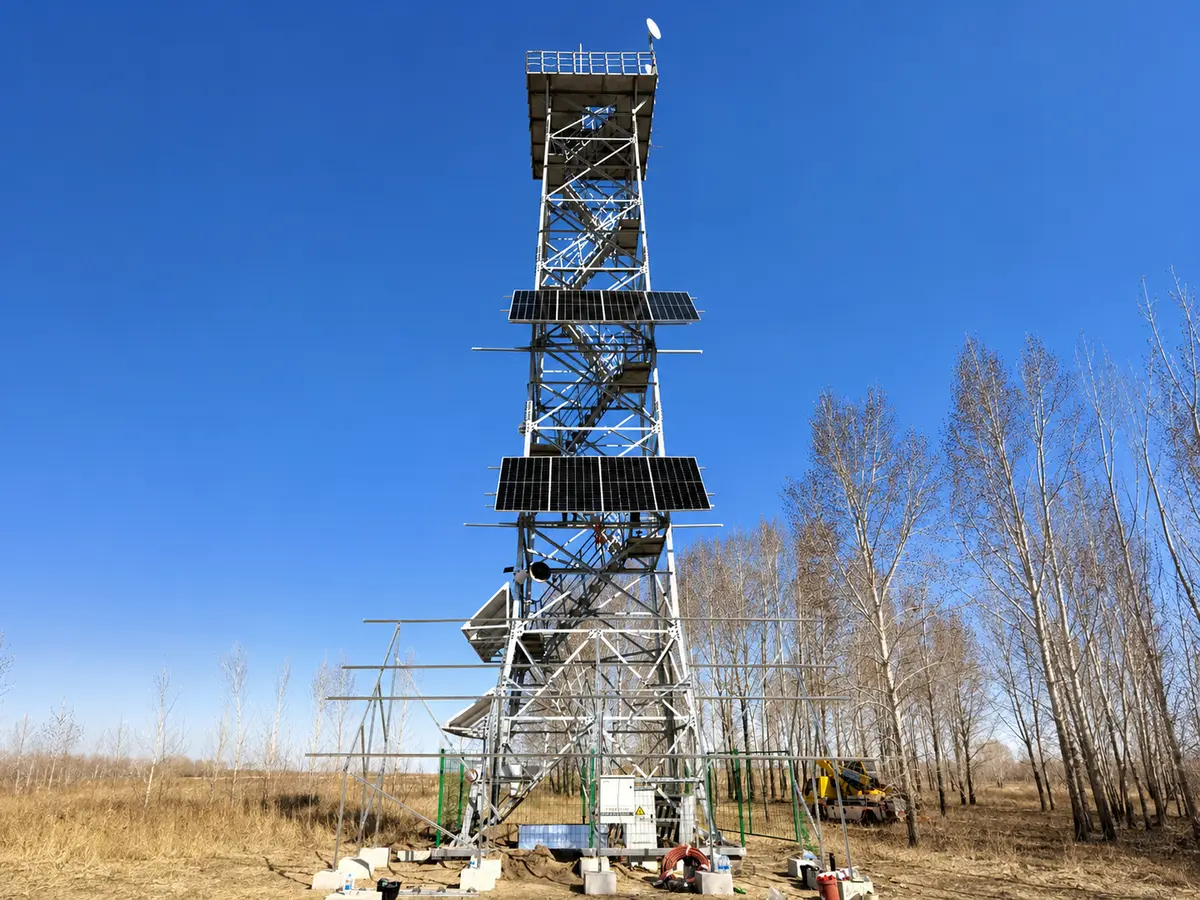
The power consumption of telecoms' base stations is normally between 500 Watts and 10kW. However, it is influenced by the site location, network technology, cooling system type, and traffic load. The monthly electricity consumption at small rural 4G base stations is lower than 2,000 kilowatt hours, while that in a major urban 5G macro base station can be several times higher. Today, energy costs are responsible for 20%-40% of total telecom network operating costs, which is why solar energy and energy storage systems are used increasingly quickly.
A telecom base station is more than just an antenna tower. The electricity consumption is determined by many electrical equipment elements. Here are some factors influencing the energy consumption of telecom base stations.
The Main Consumers of Electricity
The main energy consumers are usually the following equipment types:
Among all these equipment, cooling and radio equipment are the biggest energy consumers normally.
The percentage of air conditioning energy consumption is up to 30%-50% of total site energy usage, especially in hot climates. This is one of the reasons for moving to outdoor cabinets and thermal management systems.
The below table presents energy consumption by different types of telecom site configurations.
| Base Station Type | Average Power Consumption | Monthly Energy Use |
|---|---|---|
| Small Rural 2G Site | 500W–1kW | 360–720 kWh |
| Standard 4G Macro Site | 2kW–4kW | 1,440–2,880 kWh |
| Urban 5G Macro Site | 5kW–10kW+ | 3,600–7,200 kWh |
| Indoor Distributed System | 3kW–8kW | 2,160–5,760 kWh |
| Hybrid Off-Grid Site | Varies by load | Depends on renewable input |
Energy consumption of 5G networks has been found to be considerably higher than that of earlier generations owing to the use of Massive MIMO, high frequencies, and dense networking. Nonetheless, modern technology is much more efficient than its predecessors in energy usage.
From telecom operators’ perspective, electricity has ceased being an item of the utilities list. The issue became an important one.
On a global level, there are many cases where telecom masts depend on diesel generators. Transportation expenses, maintenance costs, and risks of thefts may drive up operational costs significantly. In some underdeveloped markets, the price for keeping such a mast powered may exceed the price of the telecom equipment.
This becomes the area where hybrid energy solutions start to make sense.
Here at LZY Energy, the growing emphasis on telecom power plants that integrate:
The aim here is straightforward: minimize diesel consumption and improve sites reliability.
Solar-powered telecom base stations are now very common in regions with grid instability or expensive diesel fuels.
The usual components in such a system would be:
With this system in practice, one can cut down on 50%-80% of diesel fuel usage.
An unpopulated telecom provider from Southeast Asia modified its diesel-powered site with:
Prior to modification:
Post-modification:
The most prominent benefit was not only reduced fuel consumption but the reduction in maintenance visits. Unpopulated locations are costly to manage, particularly when it comes to mountainous or desert areas.
5G adoption is prompting telecommunications operators to look at their power solutions differently.
When compared to standard 4G towers, 5G base stations usually involve:
At the same time, operators are increasingly employing energy-efficient technologies like:
Many modern base stations feature automatic power reduction during off-peak times at night. This may not seem much, but considering multiple thousands of base stations, the savings become substantial.
Until recently, lead-acid batteries were used for telecoms power systems back-up. Now, LiFePO4 batteries replace them quickly.
The reasons are obvious:
Reliability of communication system is of extreme importance for telecommunications industry. Even short network interruption may have serious consequences.
This is the reason why today many companies are opting for integrated telecoms energy storage solutions with remote monitoring capabilities.
Energy savings typically involve multiple solutions in combination.
From my personal experience, the largest amount of savings comes from energy management and not just by buying additional equipment. Hybrid energy solutions can provide very good savings results without big investments into infrastructure.
In the future, there will be a move towards sustainable and autonomous telecom energy solutions.
Some of the main trends include:
With more and more telecommunication networks being deployed to remote locations, reliable and affordable energy remains a problem to solve. However, solar energy and energy storage solutions have ceased to become exotic and are increasingly adopted by many telecommunication companies as the norm for managing energy at base stations.