Telecom Power Generation Solutions (Hybrid Power)
2026-01-07
Reliable power supply is critical to the stable operation of telecom base stations worldwide. Traditional power systems based on grid electricity and diesel generators often struggle with high costs, limited reliability, and environmental concerns. To address these challenges, LZY Energy offers flexible and efficient telecom power solutions designed for both grid-connected and off-grid sites.
Traditional Telecom Base Stations Face Challenges
- Lead-acid batteries offer limited backup time (only 2–3 hours)
- High battery replacement costs (approx. ¥4,000 per site annually)
- Lack of environmental monitoring leads to shortened battery life due to air conditioning failures
- Inadequate for extended power outages (>3 hours)
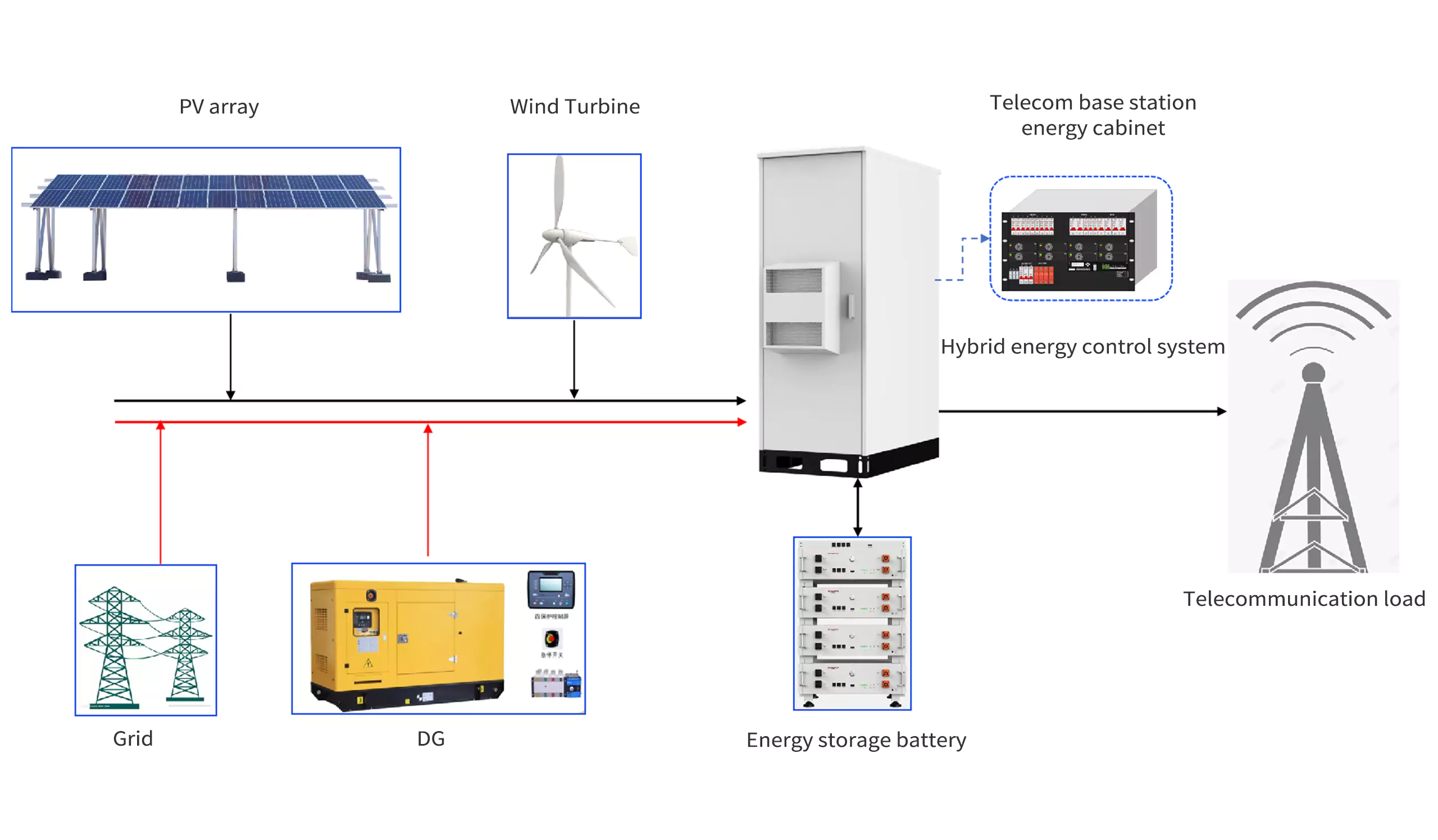
Telecommunications Power Generation System Components
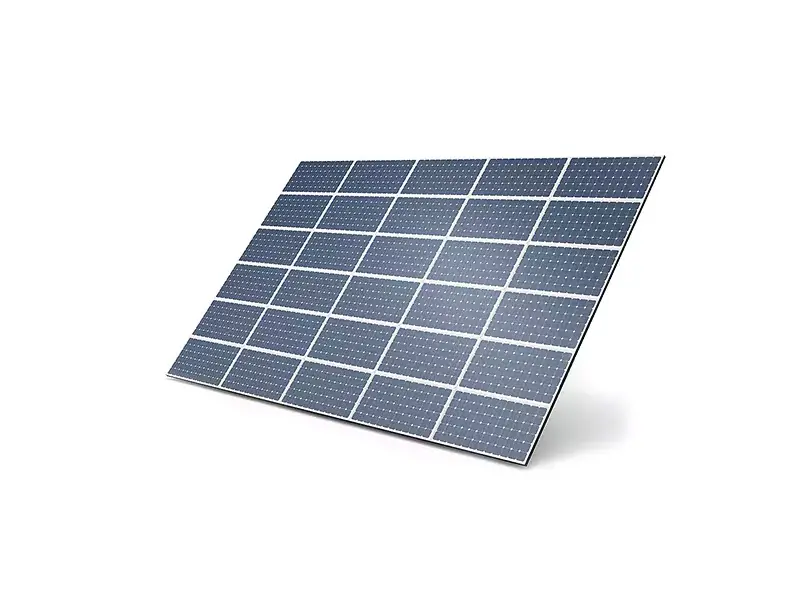
- Photovoltaic (PV) Array
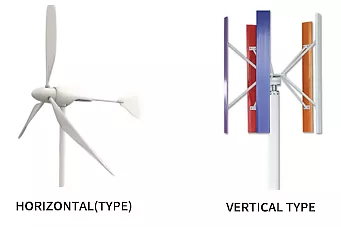
- Wind Turbine (48V Small-Scale Wind Turbine)
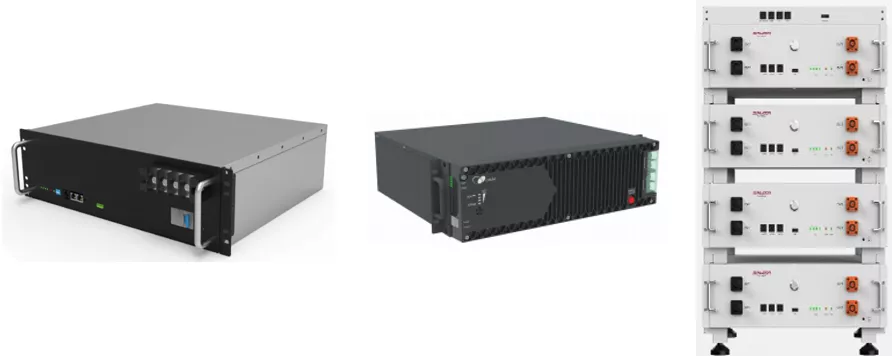
- Energy Storage Lithium Battery System (Smart Lithium Battery/Standard Lithium Battery)
- Hybrid Energy Control Cabinet (Includes Rectification, PV, Inverter, Power Distribution, Monitoring)
- Diesel Generator Set (Silent Type, with ATS Automatic Transfer Switch)
- EMS/FSU Smart Monitoring Platform
Telecom Grid-Connected Power Generation Solution
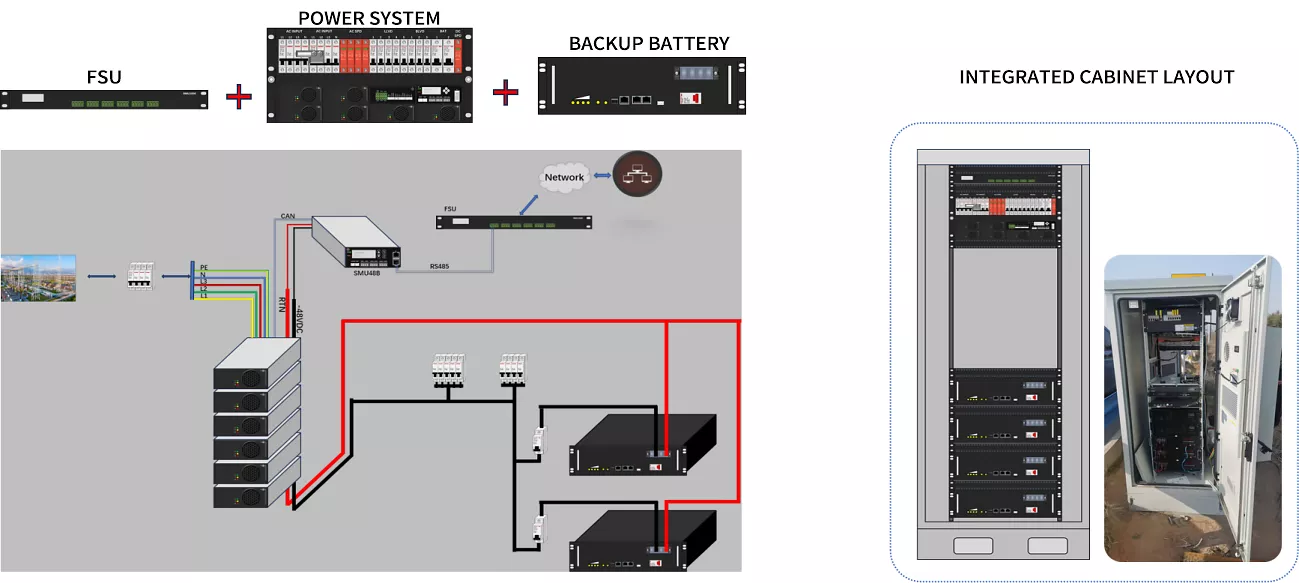
Solution 1 : Grid Power + Backup Power Storage
- Components: Mains power + Battery + FSU monitoring
- Function: Supplies power during mains operation; provides short-term backup power during mains outages
- Applications: Urban base stations, areas with stable power grids
Solution 2 : Grid Power + Diesel Generator + Energy Storage
- Components: Mains power + Battery + Diesel generator + FSU
- Logic: Mains power → Battery → Diesel generator (three-tier protection)
- Application: Remote areas with mains power but occasional outages
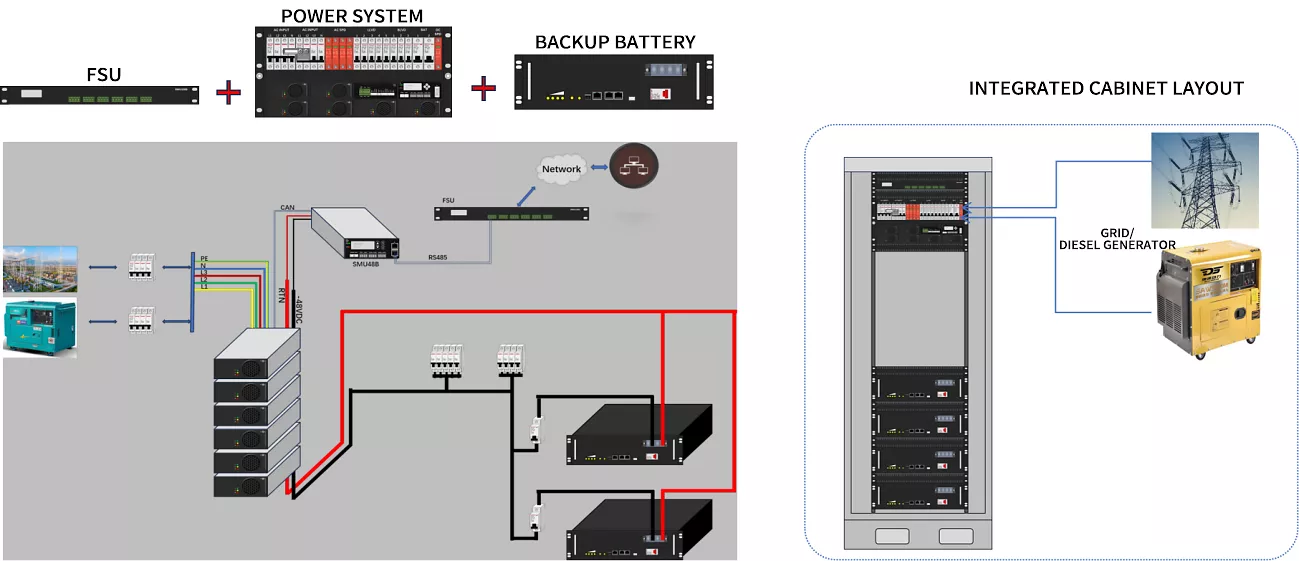
Solution 3 : Grid Power + Solar + Diesel Generator + Energy Storage
- Components: Rectifier Power Supply + PV Power Cabinet + Battery + Diesel Generator + FSU
- Energy Priority: PV > Grid Power > Battery > Diesel Generator
- Suitable For: Areas without stable grid power and with ample sunlight (e.g., plateaus, islands)
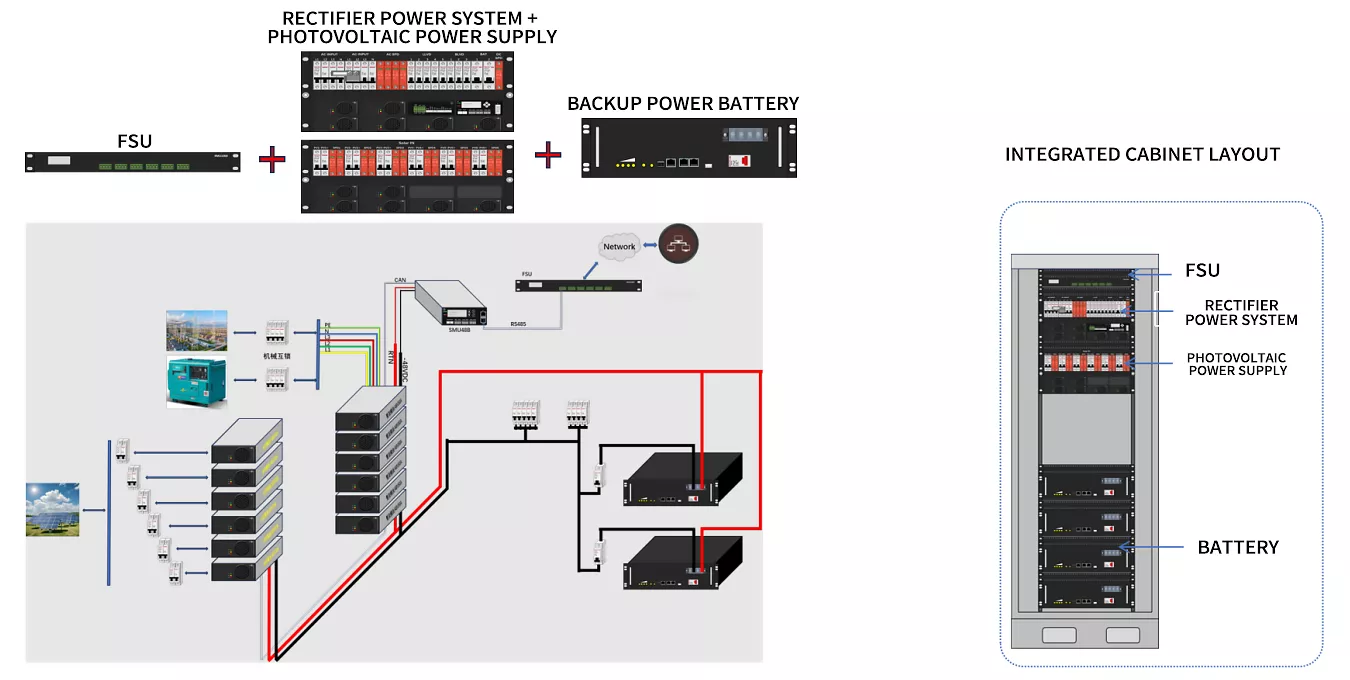
Solution 4 : Grid Power + Solar + Wind + Diesel Generator + Energy Storage
- Components: Rectifier Power Supply + PV Power Cabinet + Wind Turbine + Battery + Diesel Generator + FSU
- Energy Priority: Renewable Energy (Solar & Wind) > Grid Power > Battery > Diesel Generator
- Applications: Remote areas or islands without stable grid power; regions with abundant solar and wind resources; urban or industrial sites requiring high power reliability
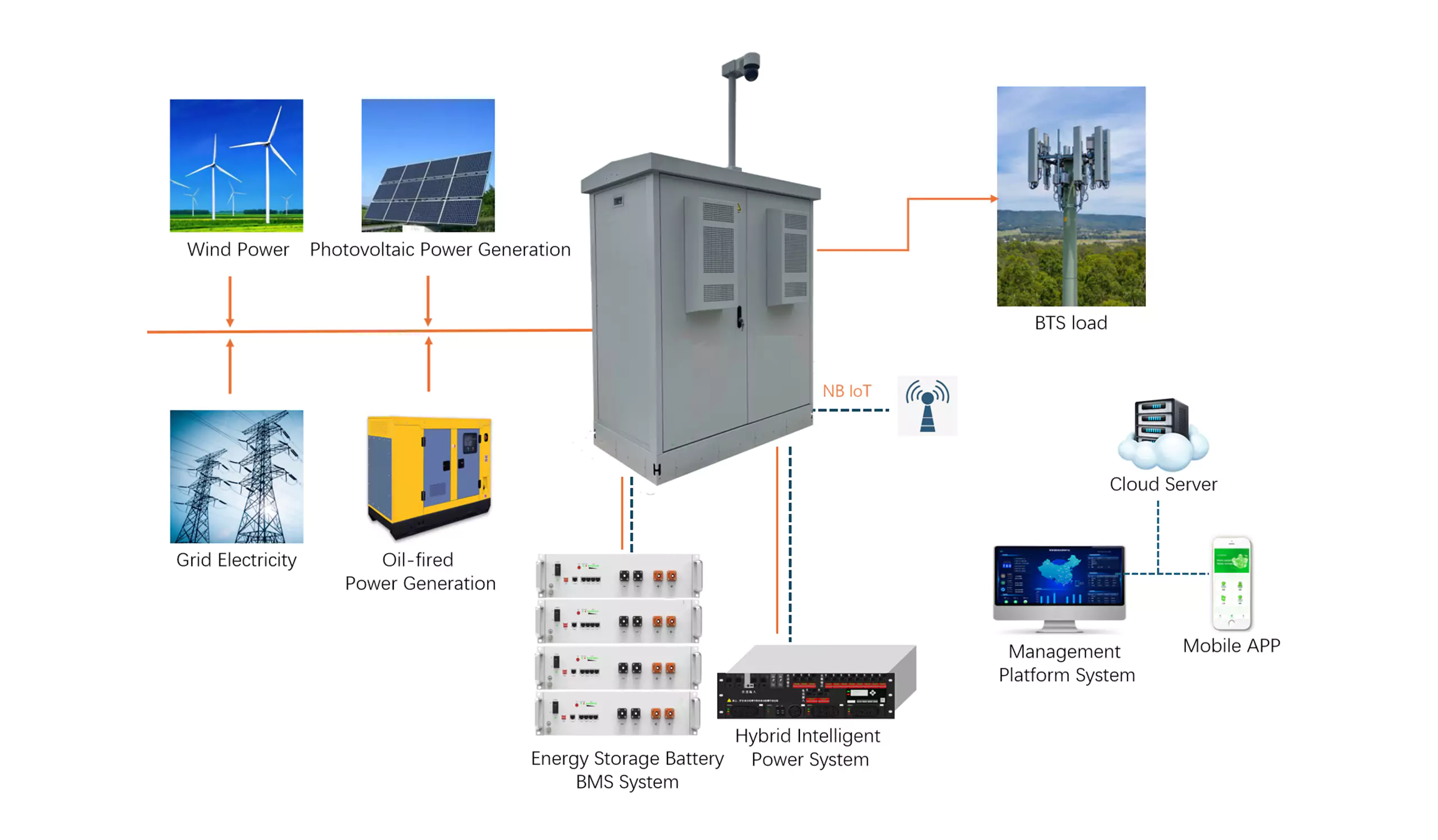
Telecom Off-Grid Power Generation Solution
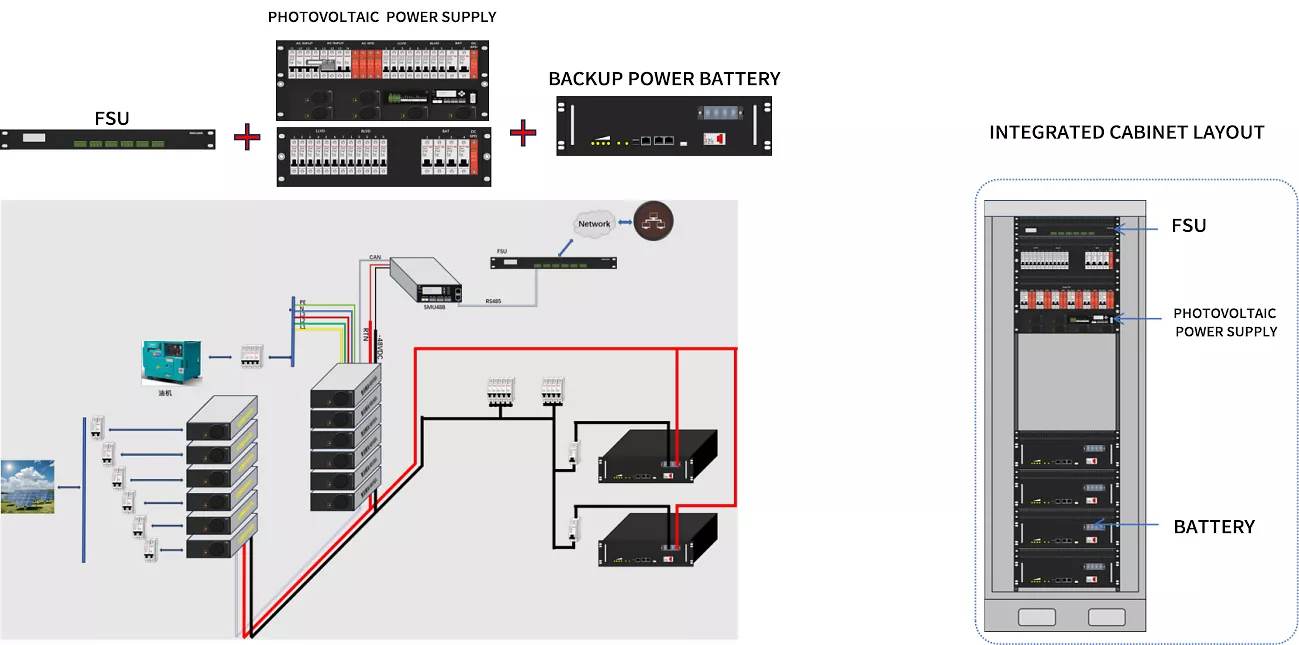
Solution 5 : Solar + Wind + Diesel Generator + Energy Storage
- No grid connection; fully reliant on renewable energy + diesel generator backup
- Priority: Solar & Wind > Battery > Diesel generator
- Applicable for: Fully off-grid communication sites
Telecom Power Generation System Product Reference Specifications
1. Photovoltaic System
Component Type:
P-type 500 Series (Hi-MO5, 540–560W, 21.7% efficiency)
P-type 600 Series (Hi-MO X, 630–650W, 24.1% efficiency, BC technology)
Installation methods: Ground-mounted (steel structure/truss/single column), rooftop-mounted (flat roof/color-coated steel sheet)
2. Wind Power Generation Components (48V)
- Power: 600W / 1000W / 2000W
- Available in horizontal-axis and vertical-axis configurations
- Low start-up wind speed as low as 2.5m/s, suitable for wind resource areas such as islands and remote rural regions
3. Energy Storage Lithium Battery
- Smart Lithium Battery: Supports constant voltage output, bidirectional DC/DC conversion, integrated BMS, and mixed use of new and old batteries
- Standard Lithium Battery: Modular design, maintenance-free, supports parallel expansion
- Capacity Options: 100Ah, 200Ah, etc., delivering 4.8–10.24kWh per module
- Operating Temperature: Discharge -20°C to +45°C; Charge 0°C to +45°C
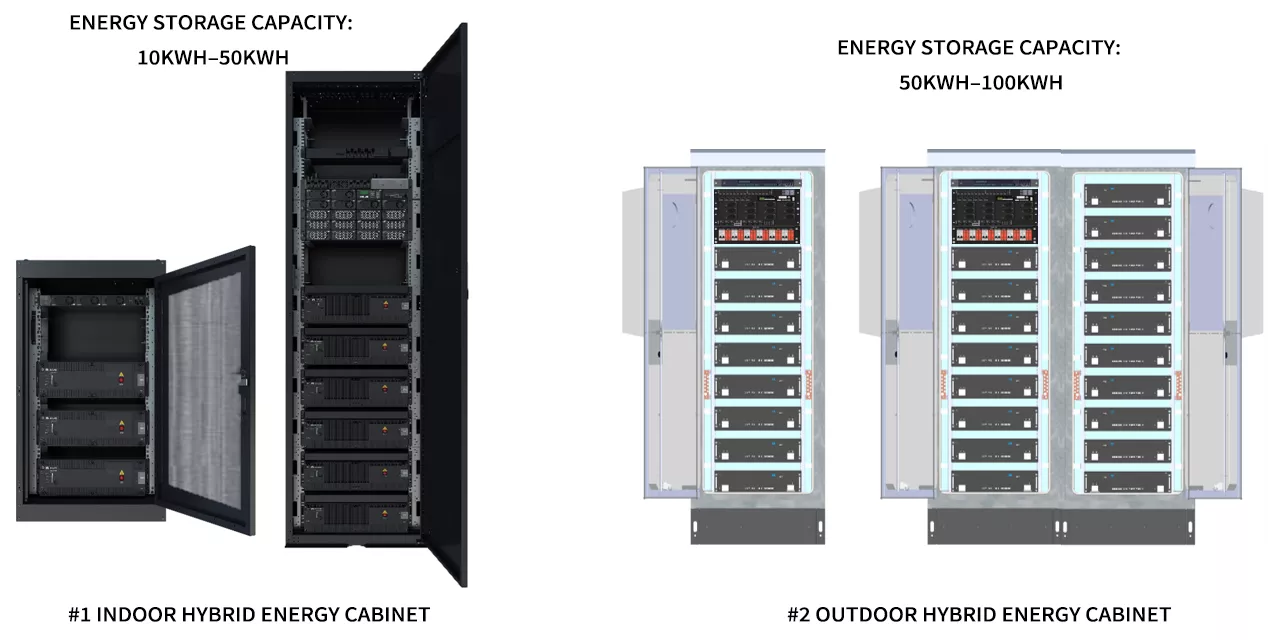
4. Energy Cabinet Series
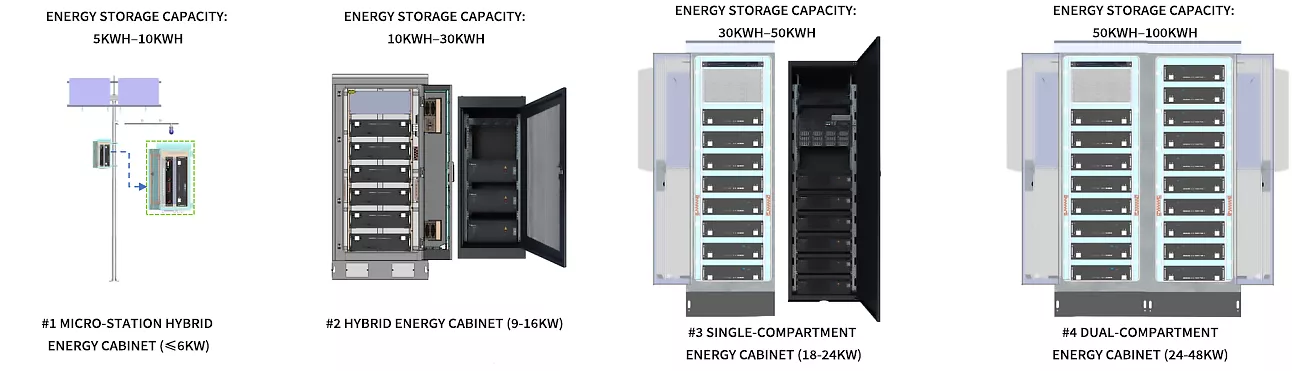
(a)Classified by capacity level (4 categories in total):
| Type |
Power Range |
Energy Storage Capacity |
Suitable Applications |
| Hybrid Energy Cabinet (Micro Station) |
≤6 kW |
5~10 kWh |
Micro base stations, edge sites |
| Hybrid Energy Cabinet (Small Station) |
9~16 kW |
10~30 kWh |
Small and medium outdoor sites |
| Single-Compartment Energy Cabinet (Medium Station) |
18~24 kW |
30~50 kWh |
Medium base stations |
| Dual-Compartment Energy Cabinet (Large Station) |
24~48 kW |
50~100 kWh |
Large base stations, high-traffic sites |
(b)By Installation Environment:
| Type |
Power Range |
Energy Storage Capacity |
Installation Location |
| Indoor Hybrid Energy Cabinet |
6~36 kW |
10~50 kWh |
Equipment rooms, indoor sites |
| Outdoor Hybrid Energy Cabinet |
6~36 kW |
50~100 kWh |
Outdoor sites without equipment rooms |
5. 48V Hybrid Power System (DC Output)
- Power ratings: 9kW / 24kW / 36kW / 48kW
- Supports multi-source input: PV, utility grid, diesel generator
- Peak efficiency ≥94% (96% optional)
- Output voltage: 43.2–58V DC (default 53.5V)

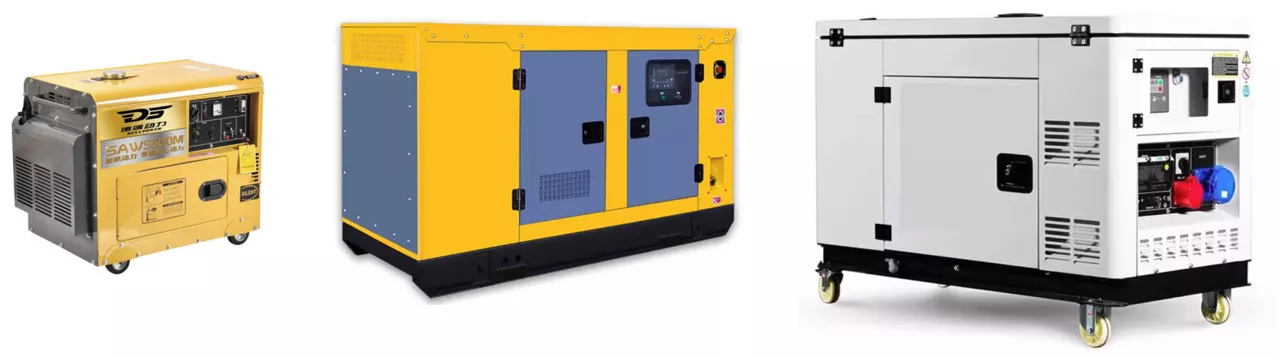
6. Diesel Generator Set
- Power: 5kW – 30kW
- Quiet design with intelligent monitoring and remote management
- Supports automatic start/stop, ATS switching, and low emissions
7. EMS/FSU Monitoring System
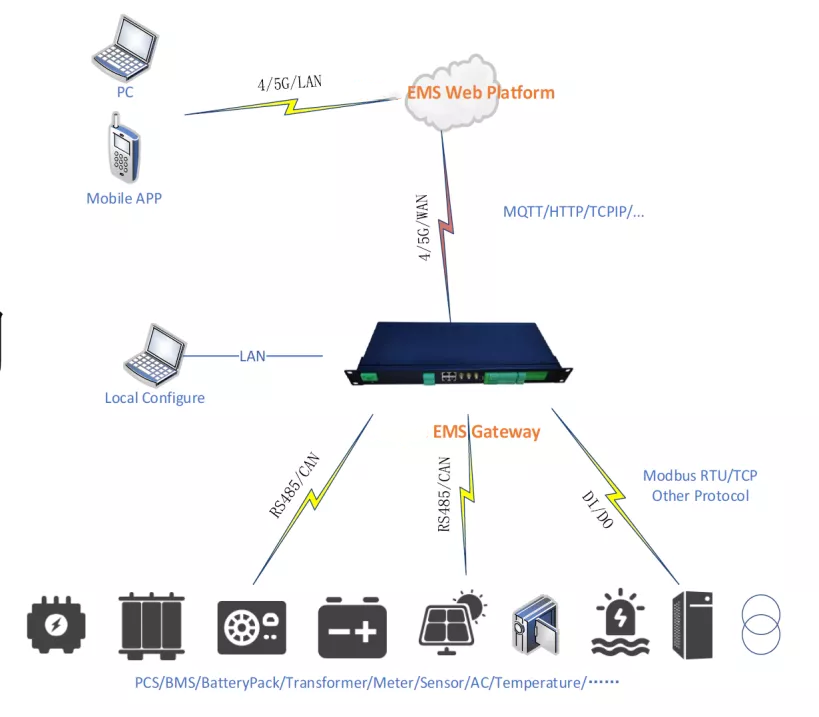
- Supports 8 DI channels, 4 DO channels, and 8 RS485 channels
- Connects to smoke detectors, door contacts, water leak sensors, temperature/humidity sensors, and other devices
- Supports MQTT/HTTP/Modbus protocols for integration with cloud platforms
8. Energy Management Platform (LZY-EMS)
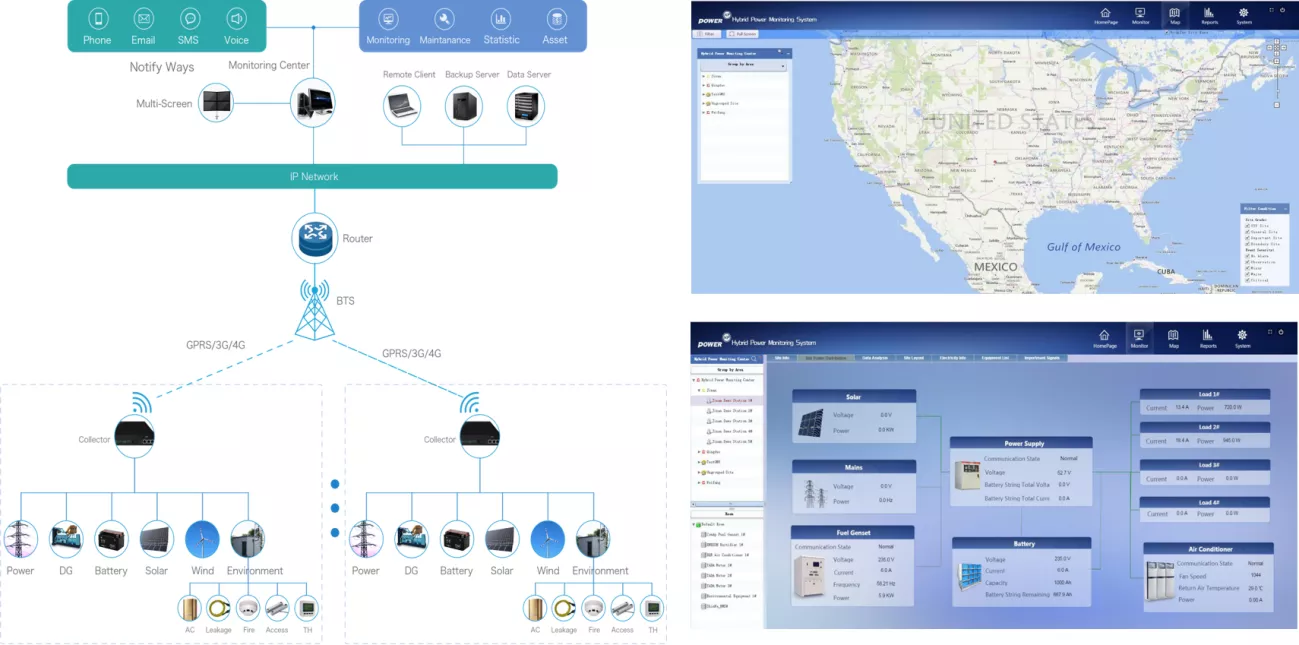
- Enable site-level/network-level visual operations management
- Support load balancing, remote alerts, asset statistics, and multi-screen coordination
- Dual-platform management via mobile app + web interface
Please contact us for customized solutions and quotes.