2025-12-22
Building a reliable and independent off-grid solar system hinges on its core: energy storage. The battery bank is the reservoir for all your hard-earned solar energy, determining whether you have power, warmth, and comfort when the sun isn't shining. Choosing the right battery impacts not only system performance but also long-term cost and experience. Faced with a myriad of technologies, which one is the ultimate energy guardian for your haven? This article analyzes the leading best batteries for off-grid solar power, helping you make an informed decision.
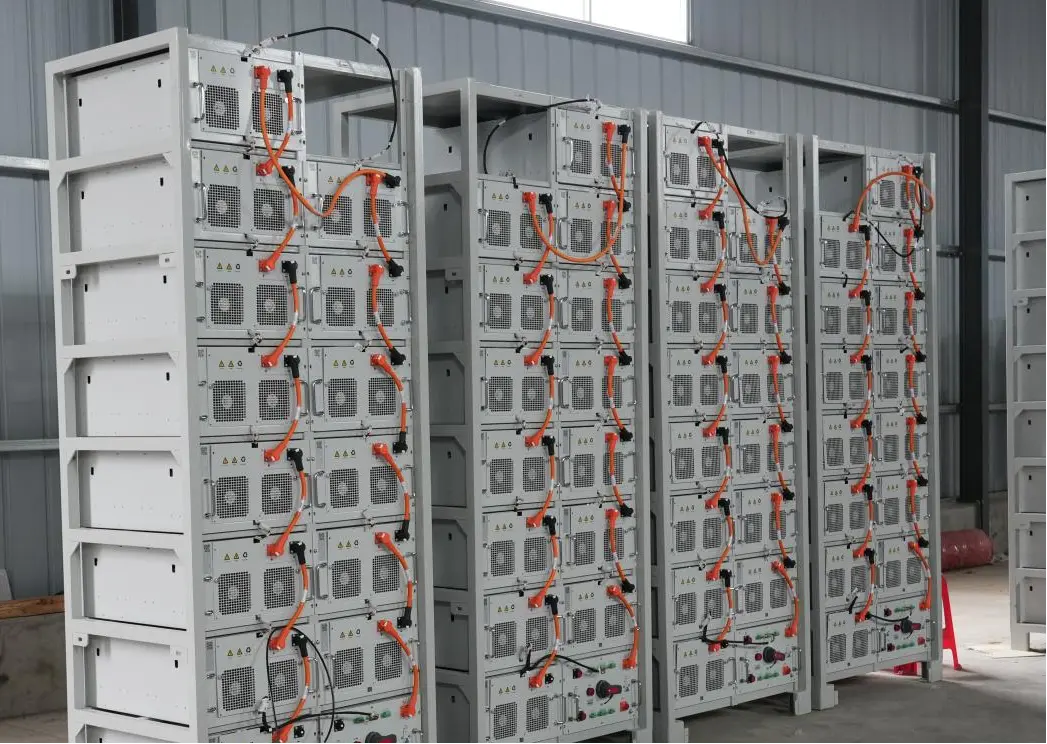
For contemporary new systems, Lithium Iron Phosphate (LFP) batteries are undoubtedly the top choice. They have redefined the standard for off-grid storage with comprehensive, superior performance.
Core Advantages:
Exceptional Longevity: Offers 3,000 to over 10,000 charge-discharge cycles, easily handling 10+ years of deep daily use.
Deep Depth of Discharge (DoD): Safely allows the use of 80-100% of their nominal capacity, meaning less overspending on reserve capacity.
High Efficiency: Achieves 95-98% round-trip efficiency, minimizing energy loss from panel to appliance.
High Power Output: Supports high continuous discharge rates, easily starting pumps, large tools, and kitchen appliances.
Maintenance-Free & Compact: Requires zero upkeep, is lightweight, and allows for flexible installation.
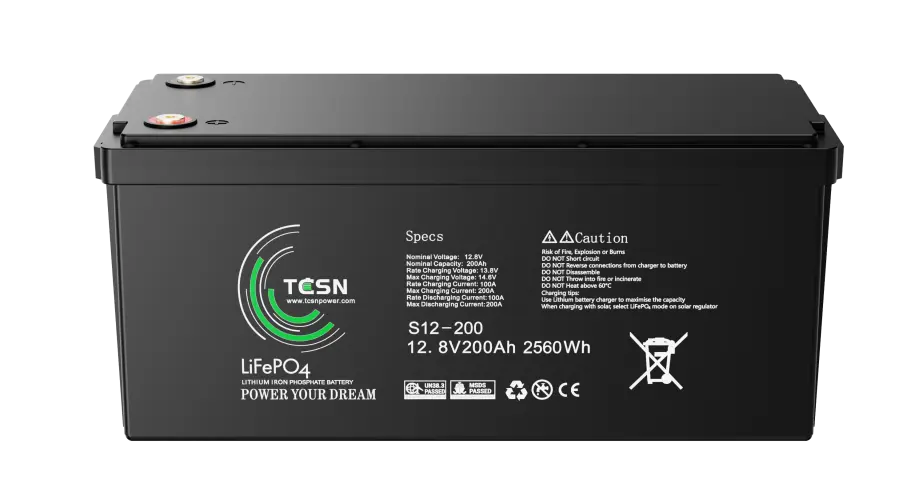
As a mature and stable technology, Sealed Lead-Acid batteries maintain a place in the market with a lower entry cost. They come in two main types:
Pros: Maintenance-free, decent power delivery, relatively affordable.
Cons: Shorter cycle life (~500-1000 cycles), slower charging, recommended 50% DoD, heavier.
Ideal For: Small cabins, weekend use, or as a starter budget system.
Pros: Good recovery from deep discharge, performs well in high temperatures, maintenance-free.
Cons: More expensive than AGM, sensitive to charging parameters, lower power output.
Ideal For: Specific applications with high temperatures or regular deep discharges.
The "original" off-grid battery, still used in some large-scale applications.
Pros: Lowest cost per initial amp-hour, proven track record, somewhat tolerant of overcharging.
Cons: High Maintenance (requires regular watering, equalization), must be installed upright in a dedicated, ventilated battery room, lower efficiency (70-85%).
Ideal For: Experienced users on a very tight budget who can commit to rigorous monthly maintenance and have proper ventilation.
An emerging ultra-premium technology.
Pros: Extraordinary longevity (15,000-30,000 cycles), incredibly fast charging, operates in extreme cold (-50°C) without heaters, extremely safe.
Cons: Exceptionally high cost, lower energy density (bulkier).
Ideal For: Mission-critical applications, extreme environments, or projects where a 25+ year battery life is the paramount goal regardless of cost.
| Feature | Lithium Iron Phosphate
(LFP) |
AGM
(Sealed Lead-Acid) |
Flooded Lead-Acid
(FLA) |
| Upfront Cost | High | Medium | Low |
| Cost over 10 yrs | Lowest | Highest | High |
| Cycle Life | Very High (3k-10k+) | Medium (500-1k) | Medium (1k-1.5k) |
| Usable Depth | 80-100% | 50% | 50% |
| Maintenance | Zero | Zero | High (Watering) |
| Efficiency | 95-98% | 80-85% | 70-85% |
| Installation | Flexible, indoors | Flexible, indoors | Vented Room Required |
1.Budget: Can you invest more upfront for long-term savings and convenience (LFP), or is minimizing startup cost essential (FLA)?
2.Calculate Needs: Size your bank for 1-3 days of autonomy ("no sun" days). LFP's high DoD means you need fewer total amp-hours.
3.Consider Climate: LFP batteries often need built-in heaters below freezing. Lead-acid capacity drops significantly in the cold.
4.Be Honest About Maintenance: Can you commit to monthly checks? If not, avoid FLA batteries.
5.Plan for Expansion: LFP systems are much easier to expand later.
6.Ensure Compatibility: Critical! Your inverter/charger must support the correct charging profile for your chosen battery chemistry.
For the vast majority of new off-grid homeowners, Lithium Iron Phosphate (LFP) batteries represent the best batteries for off-grid solar power. Investing in technology from value leaders like EG4 or premium integrators like Victron is an investment in a decade of reliability and peace of mind. For very low-use weekend cabins, quality AGM batteries remain a practical entry point. For large-scale, professionally maintained projects, Flooded Lead-Acid may still offer initial cost advantages.
Key Professional Reminder: Do not overlook the quality of your charge controller (opt for MPPT) and inverter. They are as crucial as the batteries themselves. For large whole-home systems, consulting a qualified off-grid system designer is always a wise first step.
Choosing the correct battery technology is about infusing your dream of independence with lasting vitality. Let clean, stable power reliably support your ideal home, anywhere.